UC HEALTH LINE: Cincinnati Falls Behind in CPR Use, Training

It's estimated that more than 95 percent of cardiac arrest victims die before reaching the hospital.
CPR could prevent this, but in some cities
Cardiac arrest, which is different from a heart attack, is the abrupt halting of blood circulation in the heart.
Doctors in the cardiovascular diseases division and the emergency medicine department at UC say many lives could be saved if family members, friends or bystanders knewand usedCPR in emergency situations.
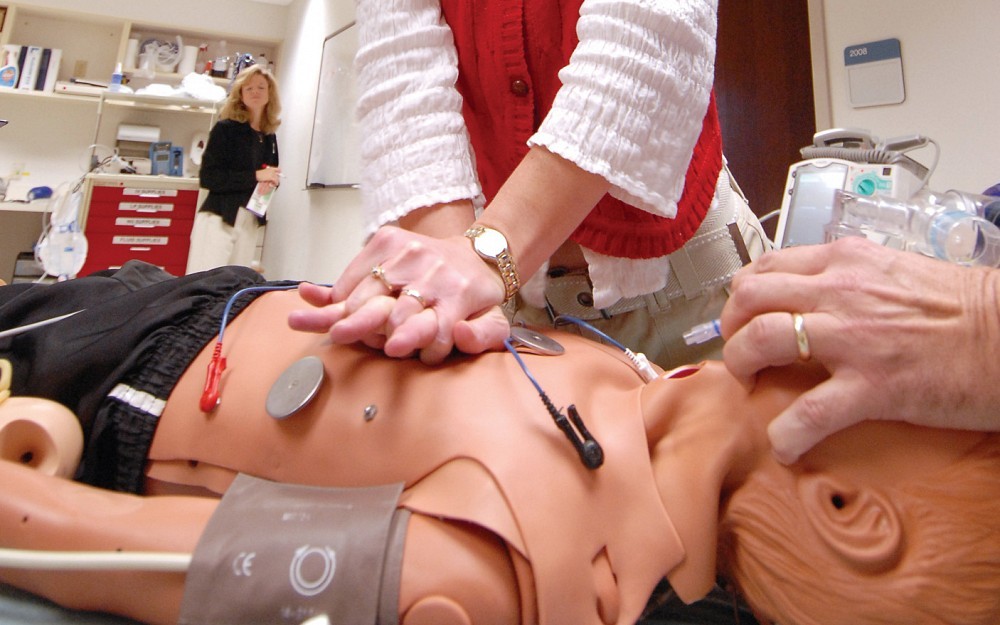
CPR, or cardiopulmonary resuscitation, is an emergency medical procedure used for victims experiencing cardiac arrest. It combines the use of artificial blood circulation with chest compressions and lung ventilation.
In March 2008, the American Heart Association and the European Resuscitation Council endorsed the effectiveness of chest compressions alonewithout artificial respirationfor adult victims who collapse suddenly in cardiac arrest.
Early CPR or defibrillation are the only two intervention tactics that have demonstrated an increased survival rate for cardiac arrest cases occurring outside of the hospital, says Imran Arif, MD, assistant professor in the cardiovascular diseases division.
Donald Locasto, MD, assistant professor in the emergency medicine department at UC and medical director for the Cincinnati Fire Department, says that both the number of people trained to administer CPR and those who administer the procedure to someone in need are somewhat low nationally.
But the numbers in
For the calendar year 2008, the rate of bystander CPR nationally was 25.3 percent, he says. In
It is a shame because more lives would be saved if a greater portion of our public were trained in and provided CPR.
He adds that that there should be more automated external defibrillators, or AEDs, available for public use in emergency situations.
AEDs are portable electronic devices that apply electrical therapy to patients who are in cardiac arrest, allowing the heart to re-establish an effective rhythm.
Arif agrees and adds that the sooner CPR or a defibrillator is used, the better chance a person has of survival.
If someone is experiencing cardiac arrest, alert emergency medical services and begin CPR immediately, he says. CPR can keep oxygenated blood flowing to the brain and other vital organs until a defibrillator becomes available or trained professionals arrive on the scene.
When the heart stops, the absence of oxygenated blood can cause irreparable brain damage in only a few minutes. Death will occur within eight to 10 minutes. Time is critical.
Warning signs of cardiac arrest include:
- Chest discomfort
- Discomfort or pain in one or both arms, the back, neck, jaw or stomach
- Shortness of breath
- Cold sweat
- Nausea
- Lightheadedness
The study found that 10 doctors and five medical students who listened to the tune while practicing CPR not only performed perfectly, but also remembered the technique five weeks later.
But regardless of whether a disco hit can help people remember and perform CPR or not, Arif says training yourself is the first stepand a matter of life or death for those who need it.
Learn CPR for not only your loved ones, but also for others loved ones, he says. You could be their everyday hero.

Imran Arif, MD, interventional cardiologist for the division of cardiovascular diseases
Related Stories
On-site training in Speech & Hearing Clinic sets UC’s programs apart
August 27, 2026
At the University of Cincinnati’s Speech & Hearing Clinic, Doctor of Audiology and Speech-Language Pathology graduate students gain real-world experience while providing free speech and hearing services to the community.
Designing with cancer patients' needs in focus
August 27, 2026
Kristina Shin is designing garments that prioritize the comfort, function and confidence of breast cancer patients, addressing a need often overlooked by traditional fashion.
UC, NKU renew longstanding partnership supporting Army ROTC cadets
August 26, 2026
The University of Cincinnati Army ROTC and Northern Kentucky University (NKU) have renewed a longstanding partnership that supports students preparing to become Army officers and leaders in their communities. The universities formalized the renewed agreement during a signing event Aug. 11 at NKU.