UC HEALTH LINE: IBS vs. IBD: Similar in Name but Not the Same

But UC experts say there are many differences between the disorders, and with proper diagnosis and treatment, people with the more serious of the two can experience a better, longer life. Richard Rood, MD, a digestive diseases specialist with UC Physicians, says IBDor Inflammatory Bowel Diseaseis often confused with IBS, which is much different and less severe. IBSor Irritable Bowel Syndromeis the most common functional gastrointestinal (GI) disorder with worldwide prevalence rates ranging from 9 to 23 percent and U.S. rates generally in the area of 10 to15 percent. It causes cramping, abdominal pain, bloating, constipation and diarrhea, however, unlike IBD, it does not permanently harm the intestines and does not lead to more serious diseases, such as cancer. There are primarily two types of IBD: Crohns disease and ulcerative colitis, Rood says, noting that IBD occurs when the immune system attacks the GI tract. Ulcerative colitis affects the inner lining of the colon while Crohns can inflame all layers of the intestinal wall. Also, Crohns disease can involve any section in the digestive tract while ulcerative colitis only affects the colon and rectum. Rood, not only an IBD expert but also a person living with ulcerative colitis, says that IBS is a syndrome, not a disease, and it will not lead to colon cancer nor does it cause intestinal bleeding. Patients with IBD experience recurrent abdominal pain, bloody stools and diarrhea, among other serious problems, like growth failure because of a lack of nutrients. he says. The onset of the illness usually occurs in a persons teens or 20s, but it can affect infants all the way up to people in their 90s. He adds IBS can be controlled with diet, fiber supplements and medication while the treatment of Crohns disease and ulcerative colitis involves medications that may have significant side effects. In addition IBD may require surgery and Crohns must be medically managed. With National Colorectal Cancer Awareness Month being observed in March, Rood, also an associate professor in the digestive diseases division at UC, says that people should take extra precautions to ensure that their symptoms arent part of a larger problem. Patients with IBD have a 10 percent increase of rectal, bowel or colon cancer for each decade since diagnosis, he says. He urges patients with any of the following symptoms to seek medical attention: IBD is a very serious disease that affects more than one million people in this country alone and could have tragic outcomes, he says. However, with properand promptdiagnosis and treatment, patients can live a fulfilling life. Please, dont ignore your symptoms or attribute them to something smaller. In addition, dont be embarrassed to talk about your illness. You are not alone.

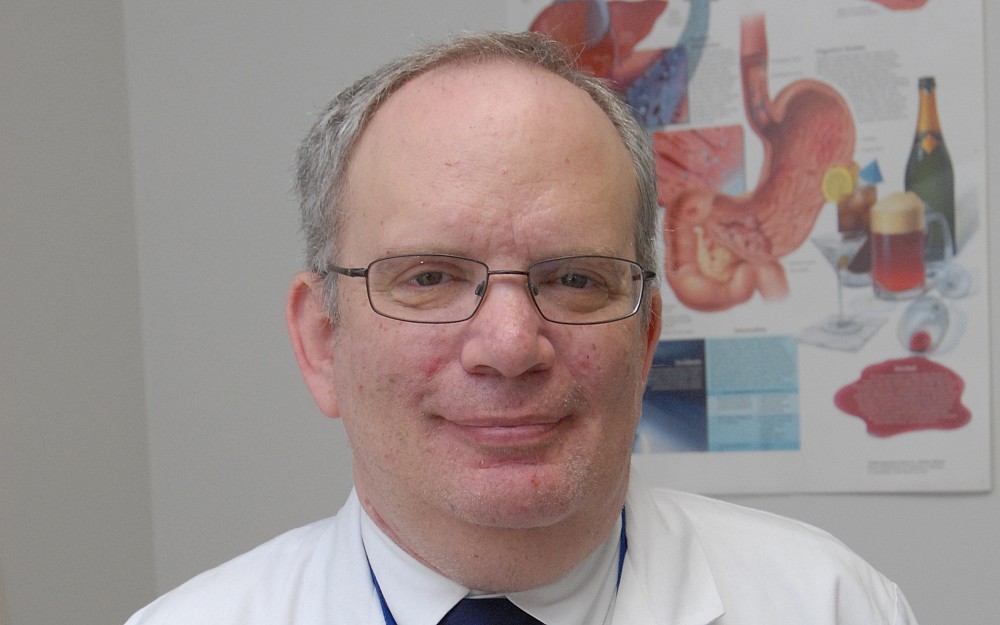
Richard Rood, MD, associate professor in the digestive diseases division and IBD expert
Tags
Related Stories
Cancer Center plays key role in lab research, clinical trials for new pancreatic cancer drug
September 1, 2026

WLWT and WCPO highlighted the contributions of University of Cincinnati Cancer Center researchers that helped lead to the recent FDA approval of daraxonrasib, a new treatment for pancreatic cancer.
Cancer Center physician receives $150,000 New Investigator Research Grant to study treatment-resistant leukemia
September 1, 2026
The University of Cincinnati Cancer Center’s Sarah Skuli, MD, PhD, received a two‑year, $150,000 Leukemia Research Foundation New Investigator Grant to study TP53‑mutated leukemia, a treatment‑resistant subtype with very poor outcomes.
Heavy social media use linked to depression
August 31, 2026

U.S. News and World Report, Yahoo! News, MSN, USA Today and other national media highlight a new study by the University of Cincinnati and Northwestern University that found a correlation between heavy social media use and depression in adults.