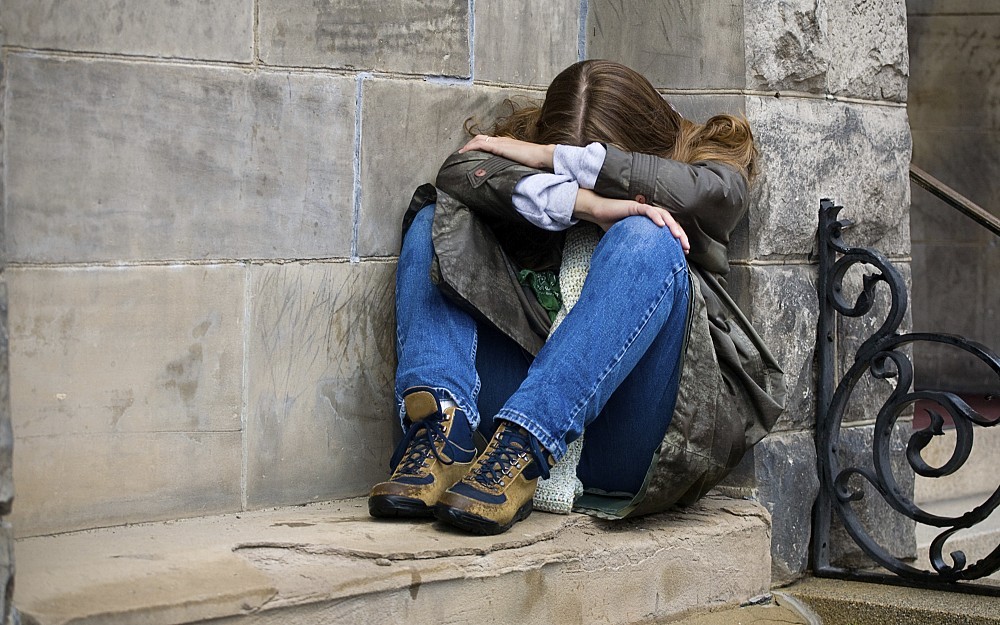
UC HEALTH LINE: Seasonal Affective Disorder Adds to Winter's Chill

CINCINNATIWith January here and the holidays just a memory, winter has begun in earnest. For many people, that means coping with seasonal-related depression.
Winter-onset seasonal affective disorder (SAD) is more than just the winter blahs, says Erik Nelson, MD, a UC Health University of Cincinnati Physicians psychiatrist and member of the psychiatry faculty at the University of Cincinnati (UC) College of Medicine. Fortunately, he adds, there are several treatment options.
While many people might feel gloomy during winters short days and long nights, those with SAD find that their ability to function is severely limited, says Nelson. If the condition is interfering with your normal life, its time to seek help.
Symptoms of winter-onset SAD include depressed mood, changes in appetite and weight, fatigue, difficulty concentrating, changes in sleep (often oversleeping) and loss of interest in formerly enjoyable activities.
Many of the people I see are already struggling with depression and feel a worsening in the winter months if theyre not fully treated, says Nelson. In winter depression, we see more of the reverse vegetative symptoms, such as increased sleep and increased appetite, as opposed to the insomnia and loss of appetite that occur more commonly in other types of depression.
Nelson says that abnormalities in the production of melatonin, a chemical that helps to regulate the sleep-wake cycle, have been linked to sensitivity to the decreased hours of daylight in the winter in people with SAD.
Nelson says there are basically three options for treatment of SAD:
- Light therapy, generally with a specially designed lamp giving off an intensity of light that mimics the full spectrum and intensity of sunlight. Such devices are generally used for about 15-30 minutes in the morning, indirectly in the persons face while he or she is involved in another activity such as reading or exercising.
- Antidepressants. Bupropion (trade name Wellbutrin) has been approved by the FDA to treat seasonal major depressive episodes, but the proper medication for any individual case should be determined in consultation with a physician.
- Cognitive behavioral therapy, a pragmatic interactive therapy that has the goal of changing specific behaviors. Properly conducted, Nelson says, it can reverse some of the depressive thoughts and feelings.
Related Stories
Cancer Center plays key role in lab research, clinical trials for new pancreatic cancer drug
September 1, 2026

WLWT and WCPO highlighted the contributions of University of Cincinnati Cancer Center researchers that helped lead to the recent FDA approval of daraxonrasib, a new treatment for pancreatic cancer.
Cancer Center physician receives $150,000 New Investigator Research Grant to study treatment-resistant leukemia
September 1, 2026
The University of Cincinnati Cancer Center’s Sarah Skuli, MD, PhD, received a two‑year, $150,000 Leukemia Research Foundation New Investigator Grant to study TP53‑mutated leukemia, a treatment‑resistant subtype with very poor outcomes.
Heavy social media use linked to depression
August 31, 2026

U.S. News and World Report, Yahoo! News, MSN, USA Today and other national media highlight a new study by the University of Cincinnati and Northwestern University that found a correlation between heavy social media use and depression in adults.