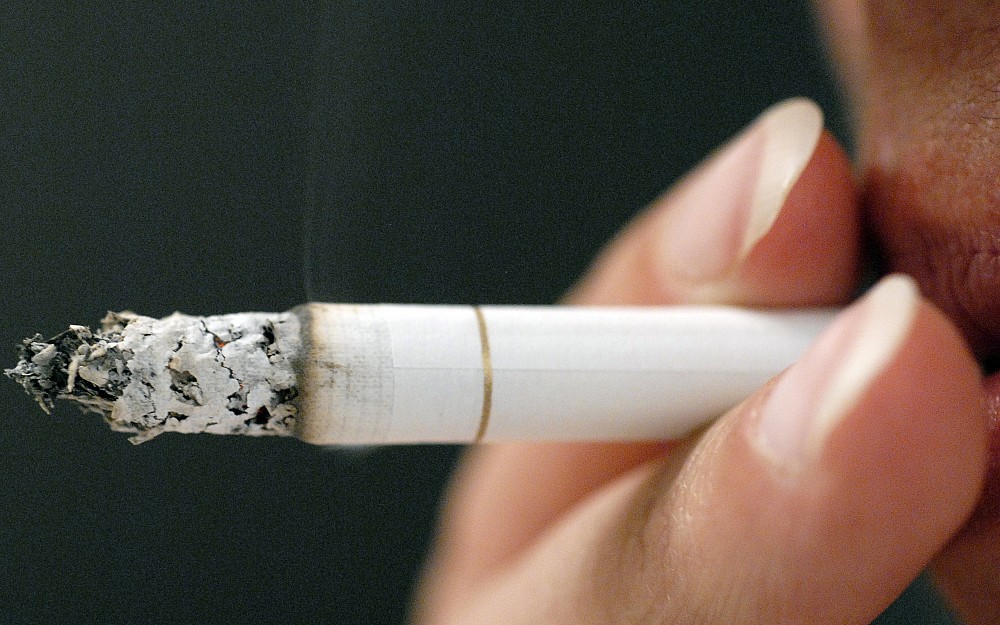
UC HEALTH LINE: Investigators to Test Vaccine to Help Smokers Quit

CINCINNATIMany smokers want to end their habit but cant seem to quit despite the availability of prescription and over-the-counter aids to smoking cessation such as pills, gum, patches and lozenges.
Now, a vaccine designed to help people quit smoking and avoid relapses after they quit is being tested at the University of Cincinnatis (UC) Tri-State Tobacco and Alcohol Research Center (Tri-TARC), which is affiliated with the psychiatry and behavioral neuroscience department at the UC College of Medicine, the Cincinnati Veterans Affairs Medical Center and University of Cincinnati Physicians.
"The idea of using immunotherapy for treating tobacco dependence is an exciting one, and were looking forward to Tri-TARCs participation in this study, says Robert Anthenelli, MD, Tri-TARCs director and a professor in the psychiatry and behavioral neuroscience department.
The vaccine, called NicVAX (Nicotine Conjugate Vaccine) is being developed and manufactured by Nabi Biopharmaceuticals of Rockville, Md. This is a Phase III clinical trial, the third phase of testing on human subjects, and will involve about 1,000 people at 25 sites nationwide. Results are anticipated in early 2012.
When nicotine from tobacco enters the bloodstream, it crosses the blood-brain barrier and binds to nicotine receptors in the brain. That triggers the release of "feel-good compounds such as dopamine that provide the smoker with a positive sensation that eventually leads to addiction.
During the trial, which lasts about a year, NicVAX will be delivered several times via injection. The vaccine is designed to stimulate the immune system to produce antibodies that bind to nicotine, creating an antigen/antibody complex that is too large to cross the blood-brain barrier. Thus, the nicotine never reaches the brain receptors.
Because nicotine antibodies circulate for up to 12 months or longer, NicVAX may also be effective in preventing smoking relapse. Thats crucial to smoking-cessation efforts, because relapse in the first six to 12 months after quitting is a significant challenge facing smokers using currently available therapies.
"This study also involves a counseling component to provide support, Anthenelli adds, "so were hoping that any slipsfor example, a cigarette during a stressful timewont become a full-blown relapse.
Smokers ages 18-65 interested in participating in the study should call Tri-TARC at (513) 558-7179, or go to its website at www.tritarc.org. Participants are compensated for their time and travel.
Anthenelli reports no financial interest in Nabi Biopharmaceuticals.
Related Stories
Why can it get so hot at times?
September 3, 2026

Cincinnati is experiencing more days of extreme heat this summer than in previous decades, due in large part to warmer global temperatures. But explanations for these higher temperatures also relate to regional factors, including the city's location in a river valley and large proportion of built environment.
UC invests in the next generation of graduate leaders through fellowships focused on mentorship and research
September 3, 2026
The Next Lives Here Presidential Fellowship supports the recruitment of top doctoral students through competitive funding, mentorship and professional development.
Cancer Center plays key role in lab research, clinical trials for new pancreatic cancer drug
September 1, 2026

WLWT and WCPO highlighted the contributions of University of Cincinnati Cancer Center researchers that helped lead to the recent FDA approval of daraxonrasib, a new treatment for pancreatic cancer.