UC HEALTH LINE: Sun Exposure and Certain Prescription Medications Don't Mix

CINCINNATIOverexposure to the sun is a widely known skin cancer concern. Whats not so widely known is that monitoring sun exposure is especially important if you are taking certain medications.
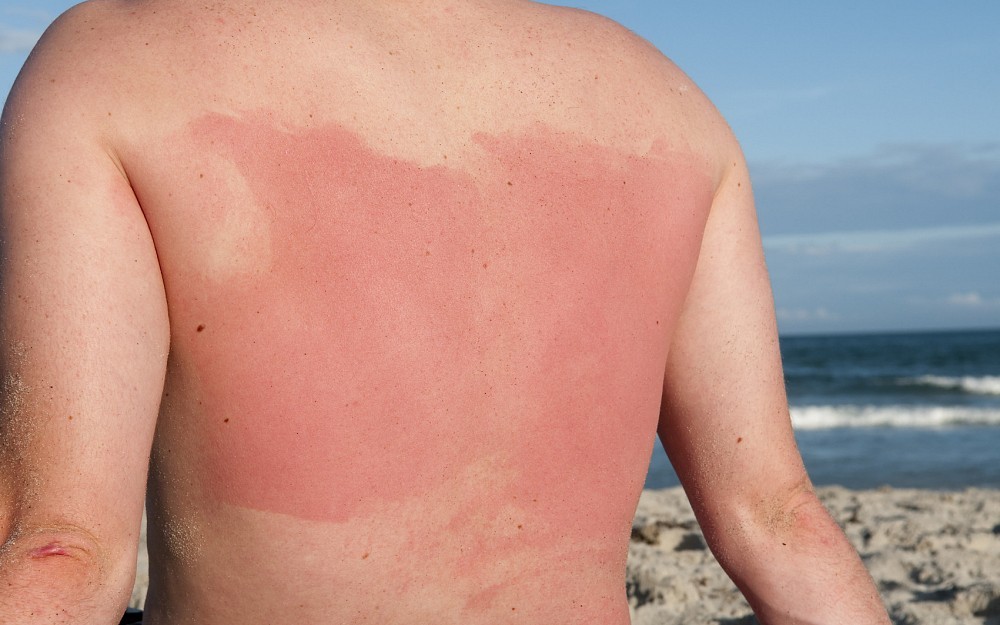
"What you will experience is a more serious burn and youll burn quicker with commonly prescribed medications such as antibiotics in the tetracyclines and ciprofloxacin family, nonsteroidal anti-inflammatories (NSAIDs) such as naproxen and diuretics like Lasix, says Bethanne Brown, PharmD, an assistant professor at the University of Cincinnati (UC) James L. Winkle College of Pharmacy.
Ingredients in these medications, and others including some antidepressants, antipsychotics, hormones and acne medications, she says, can cause "photosensitivity (an increased susceptibility to sunburn). Depending on the degree of sensitivity, even a very brief exposure to the sun or using a tanning booth or sunlamp can cause a person to experience a burn.
"The result can be a very severe sunburn to the exposed skin. This burn can be painful and may require treatment by a physician, she says.
Another adverse skin reaction, called phototoxicity, can occur when the suns ultraviolet rays break down the chemical compounds in the medication, which can lead to skin rashes or blisters.
According to Brian Adams, MD, a UC Health dermatologist, some of the most common causes of a phototoxic reaction (sunburn) related to medication ingestion are the tetracyclines.
"I have seen several athletes with severe sunburns as a result of suboptimal sun protection while they were on these antibiotics for their acne, says Adams.
But what about using sunscreen? Doesnt that protect you?
"Sunscreen is designed for use under normal circumstances, and certain medications can cause abnormal conditions, says Browns pharmacy colleague, Randy Wickett, PhD, who conducts sunscreen research at UC.
Because there is no rapid preliminary test to determine what type of reaction a person will have, and experience can be a hazardous lesson, all three experts say the best defense is to avoid the sun altogether when taking medications recognized as producing an adverse reaction. But if you absolutely have to be out in the sun, take precautions with additional sunscreen and sun block, paying special attention to the face by using zinc oxide on sensitive areas such as the mouth, nose and ears. Wearing a hat and sun-protective clothing is also recommended.
A list of medications which can cause adverse reactions to sunlight can also be found at the American Skin Cancer Foundations website.
Adds Adams: "Some of the worst cases occur in the winter, when skiers, who are on these medications, do not apply any sunscreen to their uncovered parts of their face because, in part, people think it is too cold (to sunburn).
While most pharmacists will label medications that should not be combined with sunlight, all UC experts say its always best to check with your physician or pharmacist for warnings with any type of medication.
Tags
Related Stories
Cancer Center plays key role in lab research, clinical trials for new pancreatic cancer drug
September 1, 2026

WLWT and WCPO highlighted the contributions of University of Cincinnati Cancer Center researchers that helped lead to the recent FDA approval of daraxonrasib, a new treatment for pancreatic cancer.
Cancer Center physician receives $150,000 New Investigator Research Grant to study treatment-resistant leukemia
September 1, 2026
The University of Cincinnati Cancer Center’s Sarah Skuli, MD, PhD, received a two‑year, $150,000 Leukemia Research Foundation New Investigator Grant to study TP53‑mutated leukemia, a treatment‑resistant subtype with very poor outcomes.
Heavy social media use linked to depression
August 31, 2026

U.S. News and World Report, Yahoo! News, MSN, USA Today and other national media highlight a new study by the University of Cincinnati and Northwestern University that found a correlation between heavy social media use and depression in adults.