Racial Disparities Evident in Taking Sexual Histories In Emergency Departments

Emergency department physicians are more likely to document sexual histories of black adolescent girls with symptoms potentially related to sexually transmitted infections (STI) than white teen girls with the same symptoms, according to a new study.
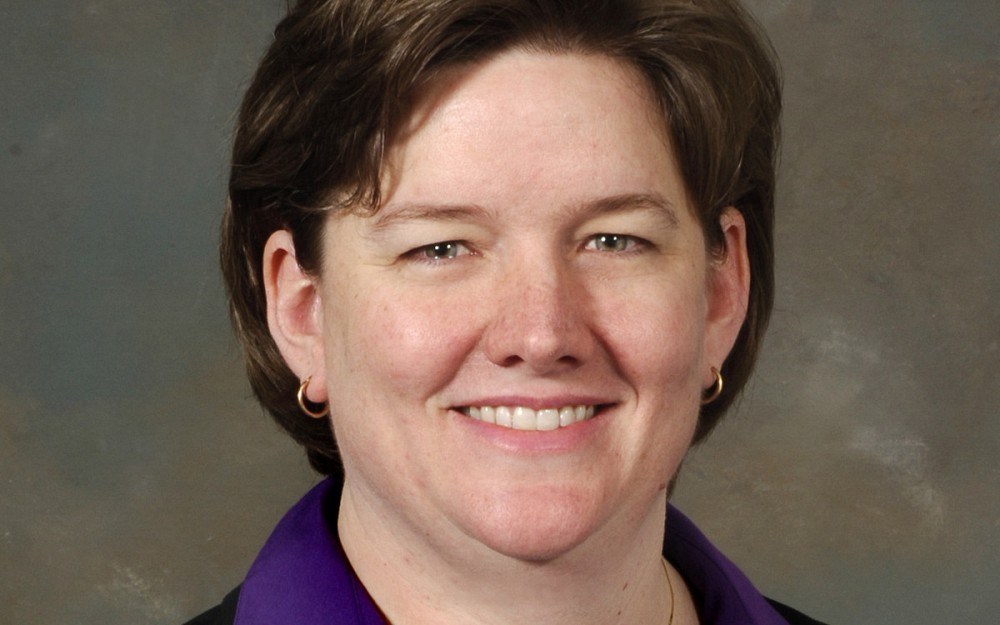
The result is that emergency physicians may be providing less comprehensive services for white teen girls than black, according to Carolyn Holland, MD, a pediatric emergency medicine fellow at Cincinnati Childrens
The study was presented at 6:45 p.m. ET Tuesday, May 4, at the annual meeting of the Pediatric Academic Societies in
"We typically see racial disparities that result in poor-quality health care for non-whites, says
U.S. Centers for Disease Control data show that black teen girls have a higher incidence of STIs and sexual activity than white girls, but its not standard of care to document sexual histories more or less frequently for one group than another, according to
In her study,
Tags
Related Stories
Cancer Center plays key role in lab research, clinical trials for new pancreatic cancer drug
September 1, 2026

WLWT and WCPO highlighted the contributions of University of Cincinnati Cancer Center researchers that helped lead to the recent FDA approval of daraxonrasib, a new treatment for pancreatic cancer.
Cancer Center physician receives $150,000 New Investigator Research Grant to study treatment-resistant leukemia
September 1, 2026
The University of Cincinnati Cancer Center’s Sarah Skuli, MD, PhD, received a two‑year, $150,000 Leukemia Research Foundation New Investigator Grant to study TP53‑mutated leukemia, a treatment‑resistant subtype with very poor outcomes.
Heavy social media use linked to depression
August 31, 2026

U.S. News and World Report, Yahoo! News, MSN, USA Today and other national media highlight a new study by the University of Cincinnati and Northwestern University that found a correlation between heavy social media use and depression in adults.