Vitamin D Deficiency in Pregnant Arab Women Requires Urgent Attention, Says Doctor

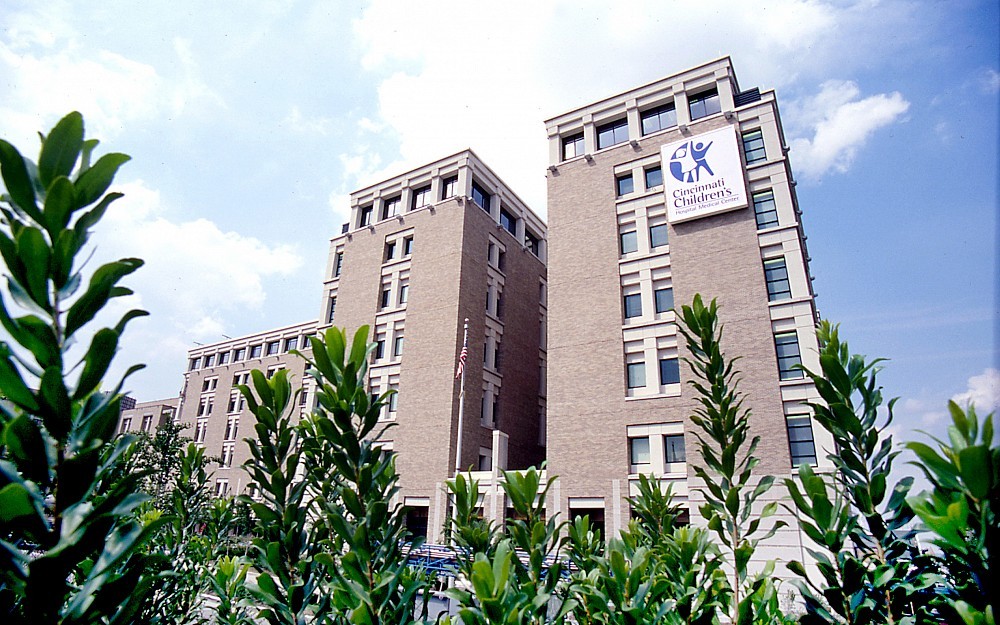
Pregnant Arab women have an "extraordinarily high prevalence of vitamin D deficiency a potential health issue for them and their babies, according to a new Cincinnati Childrens
The vitamin deficiency is largely due to how Arab women dress outdoors preventing exposure of the skin to sunlight and subsequent vitamin D intake, according to Adekunle Dawodu, MD, a physician in the Center for Global Child Health at Cincinnati Childrens and lead author of the study. Dawodo is also a professor of pediatrics at the University of Cincinnati College of Medicine.
"Vitamin D deficiency is common in Arab women, and its deficiency in pregnancy is detrimental to the health of both mother and child, he says. "The problem can be addressed by either vitamin D supplementation or having expectant mothers expose their skin modestly to sunlight in private, such as the privacy of their own courtyards.
Dawodu presented his study at 4 p.m. ET Saturday, May 1, at the annual meeting of the Pediatric Academic Societies in
"Vitamin D deficiency is the major cause of rickets around the world, but rickets may be just the tip of the iceberg, says Dawodu. "Increasingly, research is revealing the importance of vitamin D in protecting against a host of health problems not just those involving calcium and bone. It also may increase the risk of respiratory infection and chronic diseases after birth and later in life.
Dawodu studied vitamin D status in 105 expectant Arab mothers participating in a prenatal, vitamin D supplementation study in the United Arab Emirates. Blood samples were taken at different times of the year. Dawodu found no seasonal variation in the rate of vitamin D deficiency.
Blood vitamin D levels in adults of less than 50 nanomoles per liter are considered deficient. In this study, 76 percent of the women had blood vitamin D levels below 25 nanomoles per liter an amount considered very low by any standard. In addition, these pregnant women had low levels of dietary vitamin D intake and low rates of sun exposure outdoors.
"Vitamin D supplementation and modest sun exposure require urgent attention, says Dawodu.
Related Stories
Cancer Center plays key role in lab research, clinical trials for new pancreatic cancer drug
September 1, 2026

WLWT and WCPO highlighted the contributions of University of Cincinnati Cancer Center researchers that helped lead to the recent FDA approval of daraxonrasib, a new treatment for pancreatic cancer.
Cancer Center physician receives $150,000 New Investigator Research Grant to study treatment-resistant leukemia
September 1, 2026
The University of Cincinnati Cancer Center’s Sarah Skuli, MD, PhD, received a two‑year, $150,000 Leukemia Research Foundation New Investigator Grant to study TP53‑mutated leukemia, a treatment‑resistant subtype with very poor outcomes.
Heavy social media use linked to depression
August 31, 2026

U.S. News and World Report, Yahoo! News, MSN, USA Today and other national media highlight a new study by the University of Cincinnati and Northwestern University that found a correlation between heavy social media use and depression in adults.