Heart's Sounds Can Help Diagnose Heart Failure

CINCINNATIFor emergency department patients with shortness of breath and a risk of heart failure, physicians usually grab one thing first: a stethoscope.
It allows them to hear the S3, an abnormal third sound in the hearts rhythm strongly associated with cardiac disease and heart failure. However, the low-frequency, low-pitch sound is notoriously very difficult to hear with a stethoscope alone.
In a study available online in the American Journal of Emergency Medicine, a UC emergency medicine physician concludes that acoustic cardiography, a new technology combining a 12-leed ECG with cardiac acoustic data, can aid physicians in detecting the S3ultimately increasing the accurate diagnosis of acute heart failure in certain subsets of patients.
The study involved analyzing data from one of the largest emergency department-based trials in acute heart failure, the HEart failure and Audicor technology for Rapid Diagnosis and Initial Treatment (HEARD-IT) multinational trial. The trial, conducted at nine sites from March to October 2006, measured the diagnostic accuracy provided by adding acoustic cardiography to an emergency medicine physicians tools.
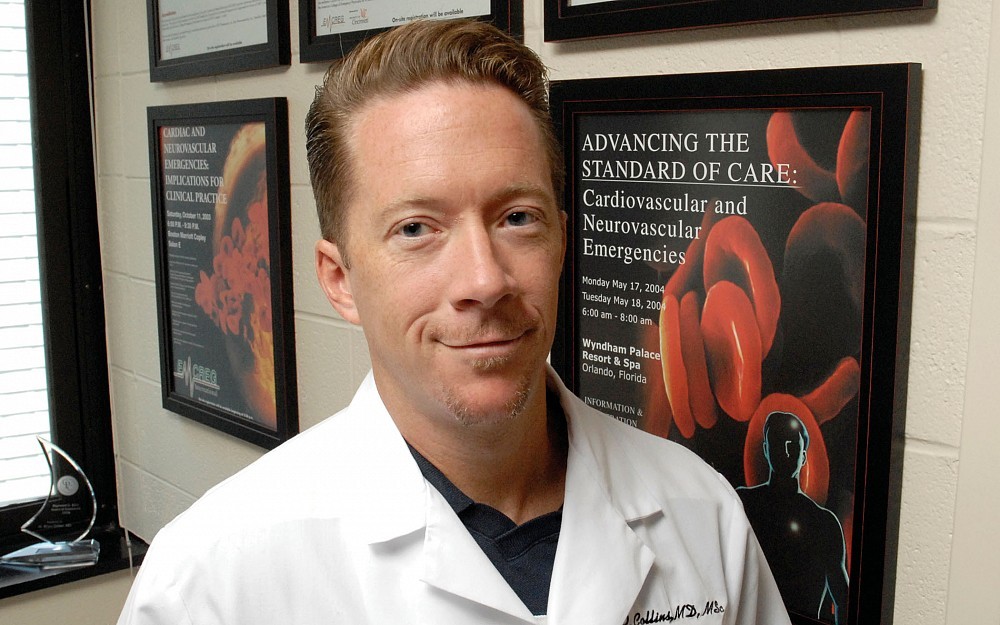
"The S3 is highly associated with heart failure, says Sean Collins, MD, UC emergency medicine associate professor and lead author of the study. "So we studied how measuring the presence of the S3 changed physicians impressions of what was going on, how it potentially changed their workup and treatment for patients.
In this publication, Collins and his colleagues conducted a secondary analysis on the HEARD-IT results, focusing on specific subgroups of patients presenting a harder diagnostic puzzle. Those include obese patients, patients with kidney failure and patients with an intermediate level of b-type natriuretic peptide, a biomarker which has been associated with acute heart failure and cardiovascular risk.
They found that adding acoustic cardiography to those patients with indeterminate BNP levels improved diagnostic accuracy 22 percent.
"Our findings suggest we diagnose heart failure only about half the time in these patients without acoustic cardiography, says Collins. "With it, we improve the accuracy to about 70 percent. Its pretty helpful in this subset of patients.
Diagnosing them in the emergency department can put patients on the right pathway to treatment more quickly, says Collins, enabling the physician to streamline further testing and treatment. Thats a particular concern with heart failure patients, he says, because many of these patients have associated conditions, such as chronic obstructive pulmonary disease, that make pinpointing the cause of their emergency department visit more difficult.
While Collins says that the HEARD-IT trial didnt make the argument for acoustic cardiography to be used in every patient suspected of having heart failure, this secondary analysis suggests it could be helpful in treating these subgroups.
"It shows that we need to get better at listening for the S3, says Collins, "and this study would suggest that if we dont hear it with our ears, that technology like this might be useful.
Inovise Medical, Inc. provided equipment and financial support to participating institutions in the HEARD-IT trial for patient enrollment and data analysis.
Tags
Related Stories
On-site training in Speech & Hearing Clinic sets UC’s programs apart
August 27, 2026
At the University of Cincinnati’s Speech & Hearing Clinic, Doctor of Audiology and Speech-Language Pathology graduate students gain real-world experience while providing free speech and hearing services to the community.
Funding expands UC research into weight gain side effects of bipolar medication
August 26, 2026
University of Cincinnati researchers have been approved for funding by the Patient-Centered Outcomes Research Institute (PCORI) to expand the implementation of healthy lifestyle interventions and metformin prescription to help manage weight gain in overweight or obese youth taking second-generation antipsychotic medications.
One in four NFL players had CTE at death
August 25, 2026

Forbes cites research on concussions and football helmets by the University of Cincinnati in a report that found one in four NFL players had brain damage at death.