UC HEALTH LINE: Don't Fracture Your Exercise Resolution!

CINCINNATIPledging to take up some type of regular exercise regimen is one of the most popular New Years resolutions, and its a good one at that ... as exercise is proven to stave off chronic health conditions, promote weight loss and better sleep, reduce stress and anxiety and increase mental clarity.
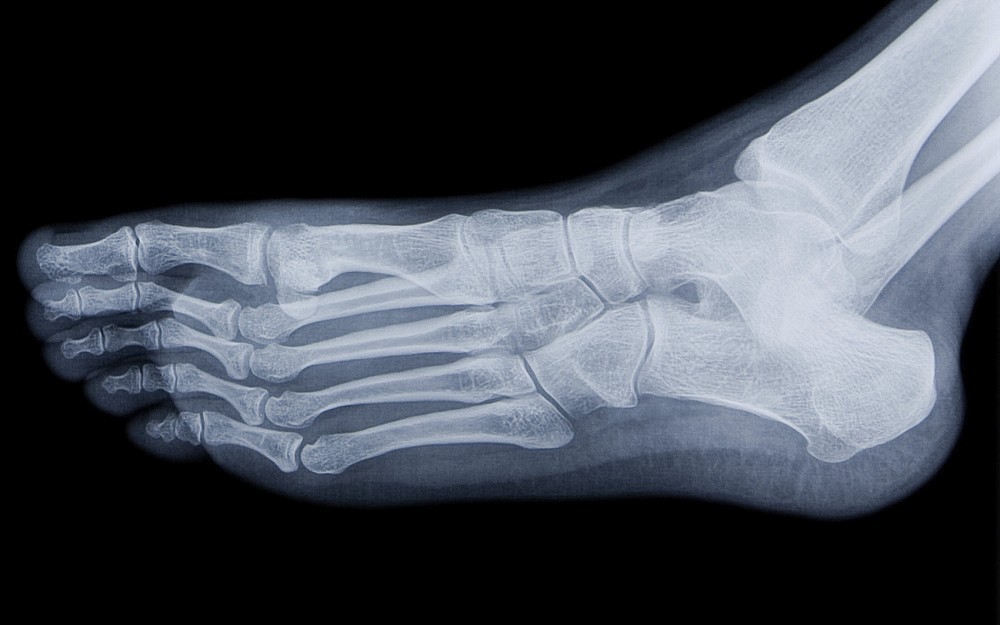
However, highly motivated resolvers should take note: A common resolution buster is the stress fracturetiny cracks in the bone that can be caused by overuse, such as with repeatedly jumping up and down or running long distances.
"At the beginning of the year people tend to make drastic changes to their lifestyle. They want to run a marathon or get in shape for the summer, which is great; however, they need to increase their activity in a gradual and controlled manner," says Barton Branam, MD, a sports medicine specialist with UC Health and assistant professor of orthopedic surgery at the University of Cincinnati (UC) College of Medicine.
Stress fractures are more common in the lower extremities such as the shin bone, ankle and foot, and a telltale sign of a stress fracture is recurrent pain and swelling of a body part, which increases with the frequency and intensity of a particular exercise.
While stress fractures can and do occur in the bones of a trained athletefrequently when the athlete decides to kick their training up a notchthese fractures can be equally problematic for the sedentary person, who suddenly takes on exercise for the first time without varying their routine, says Branam.
"I tell patients that instead of jogging five or six days a week, they should alternate ... jog one or two days a week and on the other days get on the stair-climber, elliptical, stationary bike or in the pool."
Another preventive measure is to allow the body to rest between exercise sessions. When overtaxed, bones can become fatigued and fatigued bones are more susceptible to cracks. Also, a healthy balanced diet should not be underestimated.
Often the first course of treatment for a stress fracture is to allow the body to heal itself with rest, ice and elevation. Some stress fractures; however, do not resolve themselves and require surgery.
Branams recommendation is to start slow with any new exercise program and increase the intensity over time.
"A stress fracture is actually going to slow down your exercise plan for the New Year if you have to take significant time away from the exercise to heal."
Branam sees patients at the University of Cincinnati Physicians offices in Clifton and West Chester. He has sub-specialized training in sports medicine, but also provides general orthopedic care.
To schedule an appointment, call (513) 475-8690.
Related Stories
Heavy social media use linked to depression
August 31, 2026

U.S. News and World Report, Yahoo! News, MSN, USA Today and other national media highlight a new study by the University of Cincinnati and Northwestern University that found a correlation between heavy social media use and depression in adults.
On-site training in Speech & Hearing Clinic sets UC’s programs apart
August 27, 2026
At the University of Cincinnati’s Speech & Hearing Clinic, Doctor of Audiology and Speech-Language Pathology graduate students gain real-world experience while providing free speech and hearing services to the community.
Designing with cancer patients' needs in focus
August 27, 2026
Kristina Shin is designing garments that prioritize the comfort, function and confidence of breast cancer patients, addressing a need often overlooked by traditional fashion.