UC HEALTH LINE: Take a Break From Headphones to Protect Ears

CINCINNATIIts common knowledge that loud concerts and power tools can be dangerous to our hearing. But to fully protect our ears, we also need to be aware of the smaller sources of sound in our everyday life.
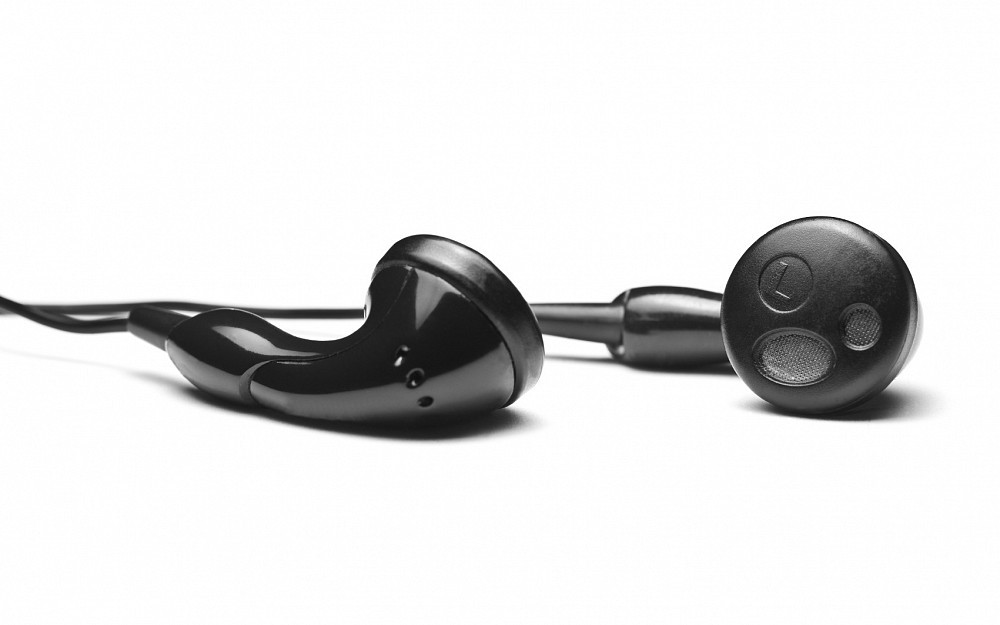
UC Health audiologists recommend taking several steps when using earbuds and phone headsets to make sure they arent too loud.
Audiologist Stephanie Lockhart advises using the "1/2 volume rule for personal listening devices: Keep the volume set to no higher than half the available level.
She also recommends short breaks from the devices to give your ears a rest. Speech shouldnt sound muffled or dull after you remove your headphones.
Unless your headphones are "noise-canceling, you should be able to hear someone three feet awayand they shouldnt be able to hear the music being pumped into your ears.
Lockhart also recommends being a hearing-conscious consumer: Look for hairdryers and power tools with lower noise ratings and be careful when buying toys for children.
"Some toys with sirens, etc. can emit up to 90-decibel sounds, she says. "Listen to them before you buy them and look for toys with volume controls.
The American Speech-Language-Hearing Association offers a breakdown of decibel levels: While a normal conversation is about 60 decibels, 90 decibels is equal to the sound produced by a subway or passing motorcycle.
Though technology has provided many ways to enhance hearing once its lost, your natural hearing capacity is a limited resource, cautions Lockhart. If you damage the hearing cells enough, they wont heal back to their original state.
"Exposure to noise damages the tiny hair cells in the inner ear. Damage can be the result of short, intense noise, but it can also accumulate after regular exposure to loud sounds over time. And once the damage has occurred, it is permanent.
When to See an Audiologist:
- If your ears hurt after being in a loud place, or if you experience ringing or buzzing for more than a day or two after being exposed to loud noise.
- Your hearing suddenly becomes sensitive or changes.
- If you work around loud noise or participate in noisy activities, Lockhart recommends an annual hearing test to monitor your hearing.
- Youre interested in custom ear plugsyour audiologist can help you decide on the appropriate style and can take the impressions and order the ear plugs for you.
UC Health audiologists see patients in Clifton and West Chester. To schedule an appointment, call (513) 475-8453.

Stephanie Lockhart is director of audiology in the University of Cincinnati Department of Otolaryngology--Head and Neck Surgery.
Tags
Related Stories
Cancer Center plays key role in lab research, clinical trials for new pancreatic cancer drug
September 1, 2026

WLWT and WCPO highlighted the contributions of University of Cincinnati Cancer Center researchers that helped lead to the recent FDA approval of daraxonrasib, a new treatment for pancreatic cancer.
Cancer Center physician receives $150,000 New Investigator Research Grant to study treatment-resistant leukemia
September 1, 2026
The University of Cincinnati Cancer Center’s Sarah Skuli, MD, PhD, received a two‑year, $150,000 Leukemia Research Foundation New Investigator Grant to study TP53‑mutated leukemia, a treatment‑resistant subtype with very poor outcomes.
Heavy social media use linked to depression
August 31, 2026

U.S. News and World Report, Yahoo! News, MSN, USA Today and other national media highlight a new study by the University of Cincinnati and Northwestern University that found a correlation between heavy social media use and depression in adults.