Poorer Patients Have More Severe Ischemic Strokes, Study Indicates

CINCINNATIPoorer patients have more severe ischemic strokes, or strokes resulting from blockages in blood vessels in the brain, according to new research from the University of Cincinnati (UC).
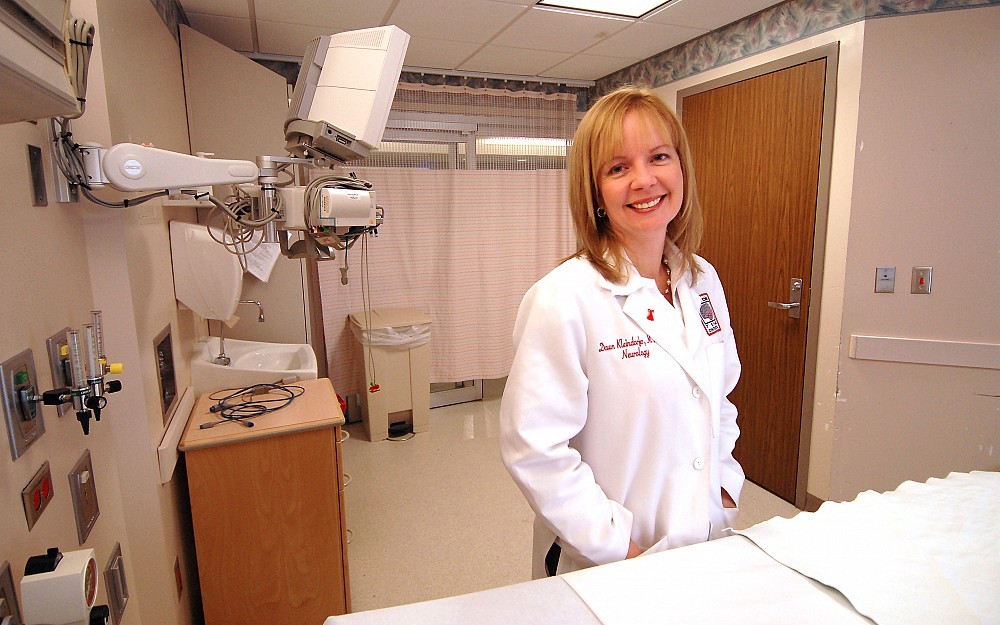
A study led by Dawn Kleindorfer, MD, an associate professor in the department of neurology, found that increasing poverty in the neighborhood where the stroke patient lived was associated with worse stroke severity at presentation, independent of other known factors associated with stroke outcomes.
The study is being presented Wednesday, Feb. 9, in Los Angeles at International Stroke Conference 2011, the annual meeting of the American Stroke Association.
The research is part of the Greater Cincinnati/Northern Kentucky Stroke Study, begun in 1993 at the UC College of Medicine, which is funded by the National Institutes of Health (NIH) and identifies all hospitalized and autopsied cases of stroke and transient ischemic attack (TIA) in a five-county region.
Researchers studied 1,933 cases of ischemic stroke from 2005, of which 21.9 percent of the patients were African-American and 52.3 percent were female, with an average overall patient age of 71. Researchers used community poverty levels based on census tract data to estimate individual socioeconomic status.
The poorest community socioeconomic status was associated with a significantly increased initial stroke severity by 1.6 points on a severity scale compared with the richest category, researchers found. The analysis remained significant even after adjustment for demographics and other diseases.
"The magnitude of change in stroke severity for the poorest patients was similar to the effect of having a history of coronary artery disease or high blood pressure, says Kleindorfer, a member of the UC Neuroscience Institute.
Although this study cannot definitively say why poorer patients have more severe strokes, researchers suggest that socioeconomic status might impact stroke severity via access to care, cultural factors, medication compliance or undiagnosed disease states.
Related Stories
On-site training in Speech & Hearing Clinic sets UC’s programs apart
August 27, 2026
At the University of Cincinnati’s Speech & Hearing Clinic, Doctor of Audiology and Speech-Language Pathology graduate students gain real-world experience while providing free speech and hearing services to the community.
Designing with cancer patients' needs in focus
August 27, 2026
Kristina Shin is designing garments that prioritize the comfort, function and confidence of breast cancer patients, addressing a need often overlooked by traditional fashion.
UC, NKU renew longstanding partnership supporting Army ROTC cadets
August 26, 2026
The University of Cincinnati Army ROTC and Northern Kentucky University (NKU) have renewed a longstanding partnership that supports students preparing to become Army officers and leaders in their communities. The universities formalized the renewed agreement during a signing event Aug. 11 at NKU.