UC HEALTH LINE: Device Could Help Liver Failure Patients, Extend Options for Transplant

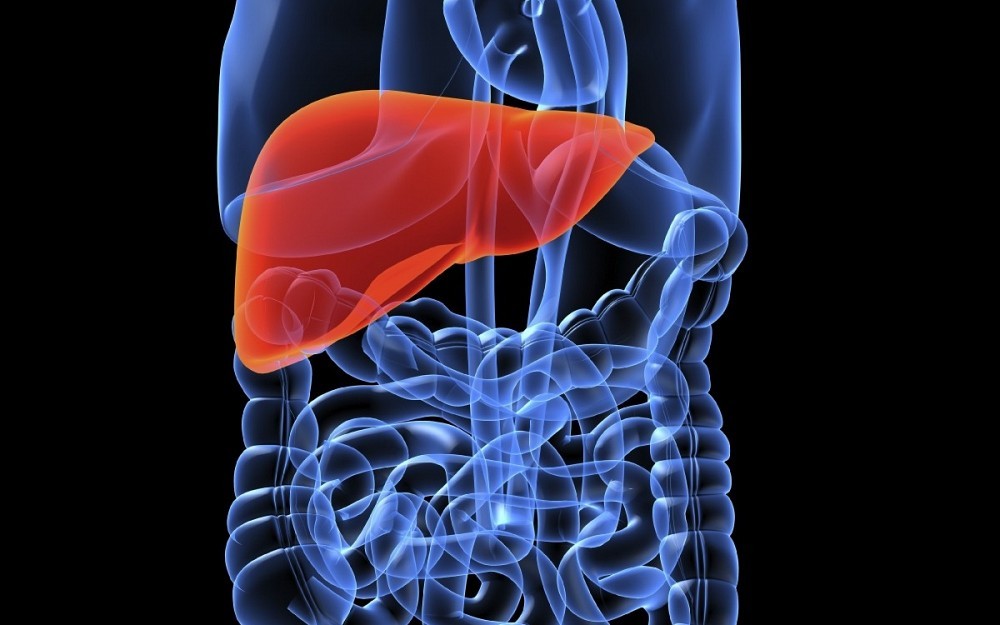
CINCINNATIFor patients with acute alcoholic hepatitis (AAH), inflammation of the liver can result in a multitude of symptoms, including jaundice, fluid accumulation in the abdomen and hepatic encephalopathyimpaired brain function leading to irritability, tremors and confusion.
For some patients, it can lead to an irreversible coma and death.
"There is no standard treatment for patients suffering from end stage liver disease, says Tiffany Kaiser, PharmD, research assistant professor of digestive diseases at UC. "Rather, the focus of medical therapy is to treat the associated impairments, for example, jaundice. Liver transplantation is the only cure. However, the demand for organs greatly outweighs the supply and patients with AAH are ineligible due to current and/or recent alcohol consumption.
AAH patients can progress to liver failure or develop acute kidney failure from their liver disease. But a new device being studied at the University of Cincinnati (UC) could provide patients with a longer window of time in which to recover, complete an alcohol rehabilitation program and, for some, provide the potential for a liver transplant.
The ELAD bioartificial liver support system is being studied at UC and approximately 40 other centers in the United States, Middle East and Europe as part of a clinical trial sponsored by Vital Therapies, Inc., makers of the ELAD.
Maria Hernandez, MD, principal investigator and assistant professor of clinical medicine at UC, says the randomized trial is designed to evaluate the efficacy and safety of the ELAD, a system designed to serve as temporary liver support.
"The aim of this study is to evaluate ELADs ability to improve liver function and reverse the related impairments of AAH, says Hernandez.
The ELAD is a bedside system, made up of chambered cartridges containing human liver cells populated from a cell line designed specifically for it. The cells function similar to a normal liver, processing toxins in the blood and synthesizing proteins and metabolites. The plasma is then remixed with the blood and returned to the patient.
Patients in the trial will be randomizedhalf receiving standard medical therapy plus treatment with the ELAD and half receiving standard medical therapy alone. The device is not kept on site and will be sent to researchers once a patient is enrolled in the trial.
Patients treated with the ELAD will stay on the machine continuously for three days before researchers re-evaluate their progress.
"Were not using this for long-term therapy, says Hernandez. "For recovery, patients with AAH must stop drinking alcohol. But were trying to see if the ELAD will help with survival rates for AAH patients, if it will give these patients a chance to get to transplantation.
Amit Tevar, MD, director of the liver transplantation program at UC Health University Hospital, says that with liver transplantation suffering from an "ever-present organ shortage, the ELAD trial represents "a very important modality in helping the right patients get the right organs, allowing patients to recover from their alcohol abuse and get a transplant in the future.
The ELAD trial is sponsored by Vital Therapies, Inc. Hernandez cites no conflict of interest and has no financial interest in the company. For more information on the trial, visit http://clinicaltrials.gov/ct2/show/study/NCT00973817.
Tags
Related Stories
Heavy social media use linked to depression
August 31, 2026

U.S. News and World Report, Yahoo! News, MSN, USA Today and other national media highlight a new study by the University of Cincinnati and Northwestern University that found a correlation between heavy social media use and depression in adults.
On-site training in Speech & Hearing Clinic sets UC’s programs apart
August 27, 2026
At the University of Cincinnati’s Speech & Hearing Clinic, Doctor of Audiology and Speech-Language Pathology graduate students gain real-world experience while providing free speech and hearing services to the community.
Funding expands UC research into weight gain side effects of bipolar medication
August 26, 2026
University of Cincinnati researchers have been approved for funding by the Patient-Centered Outcomes Research Institute (PCORI) to expand the implementation of healthy lifestyle interventions and metformin prescription to help manage weight gain in overweight or obese youth taking second-generation antipsychotic medications.