UC HEALTH LINE: Hot, Humid Weather Could Affect Asthma Sufferers

CINCINNATIThe Tristate has experienced a stint of heat waves this summer which have not only included high temperatures but also high humidity that has made the air feel like a perpetual sauna.
Besides making one feel uncomfortable and constantly crave a cold shower, humidity can endanger the lives of those with severe asthma, says a UC Health interventional pulmonologist.
"In some people, extreme weather conditions and changing climate conditions may be an asthma trigger, says Sadia Benzaquen, MD, who focuses on interventional pulmonology, a relatively new subspecialty that centers on the use of advanced diagnostic and therapeutic techniques to treat patients with airway disorders and lung cancer.
Benzaquen says nearly 17 million people in the United States suffer from asthma, an inflammatory disorder of the airways which causes attacks of wheezing, shortness of breath, chest tightness and coughing.
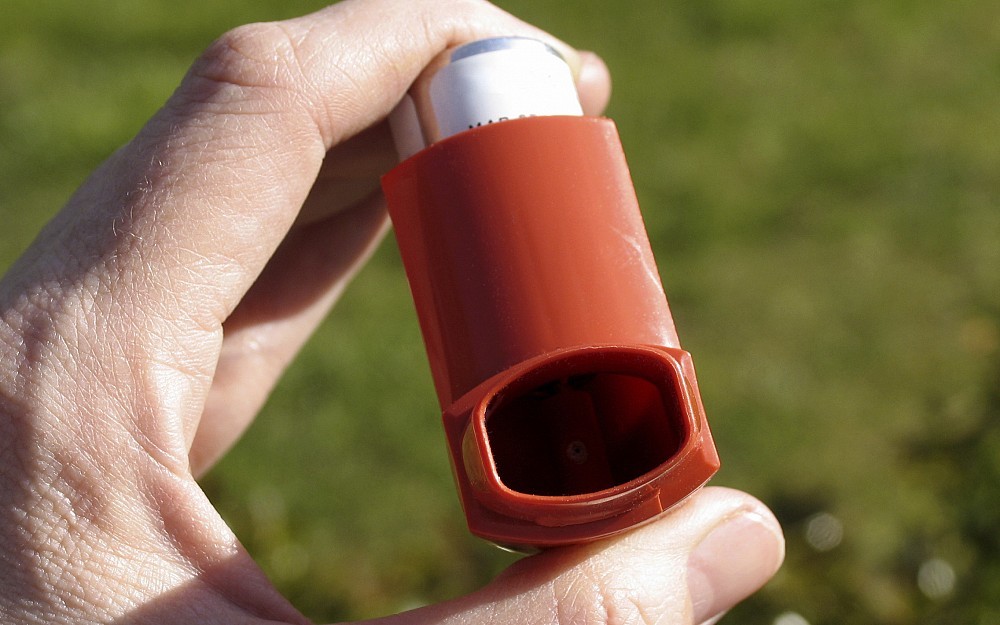
"There are drugs to control the illness, most commonly inhaled corticosteroids to keep airways from swelling and inhalers to prevent symptoms, he says. "But in the summer, its better to avoid triggers altogether. Heat and humidity outdoors can mean an increase in pollen and mold spore counts in the air, which can inflame the airways.
If one does need to be outdoors, Benzaquen says to have an emergency inhaler close at hand just in case.
He adds he is now providing innovative asthma therapies at UC Health University Hospital that dont involve drugs and could permanently resolve the illness in severe cases.
"I am now offering thermoplasty treatment for asthma, which involves endoscopically treating small airways in the lungs with a thermal probe, he says. "We are the first in the city to provide this treatment, which could help patients maintain normal breathing who have been persistently suffering from asthma for years and who are on potentially dangerous steroids.
But for individuals who have not had a prior asthma diagnosis, its important to know and heed the warning signs.
Symptoms include:
· Coughing, especially at night.
· Wheezing.
· Shortness of breath.
· Chest tightness, pain or pressure.
"It could just mean an allergy flare-up, but it could be something larger, says Benzaquen. "Its important to address these issues as soon as possible for the best health outcomes. See a physician if issues arise, and whether or not you have asthma, please take care of yourselves when the weather gets warm. Stay hydrated, use sunblock and take proper precautions to avoid illness due to warm weather.
Tags
Related Stories
Cancer Center plays key role in lab research, clinical trials for new pancreatic cancer drug
September 1, 2026

WLWT and WCPO highlighted the contributions of University of Cincinnati Cancer Center researchers that helped lead to the recent FDA approval of daraxonrasib, a new treatment for pancreatic cancer.
Cancer Center physician receives $150,000 New Investigator Research Grant to study treatment-resistant leukemia
September 1, 2026
The University of Cincinnati Cancer Center’s Sarah Skuli, MD, PhD, received a two‑year, $150,000 Leukemia Research Foundation New Investigator Grant to study TP53‑mutated leukemia, a treatment‑resistant subtype with very poor outcomes.
Heavy social media use linked to depression
August 31, 2026

U.S. News and World Report, Yahoo! News, MSN, USA Today and other national media highlight a new study by the University of Cincinnati and Northwestern University that found a correlation between heavy social media use and depression in adults.