Multiple Pregnancies Could Lead to Obesity, Study Shows

CINCINNATINew research from University of Cincinnati (UC) scientists suggests that women who give birth more than once (multiparous) could be at higher risk for obesity and inflammation, and their male offspring could also suffer from increased weight gain into adulthood.
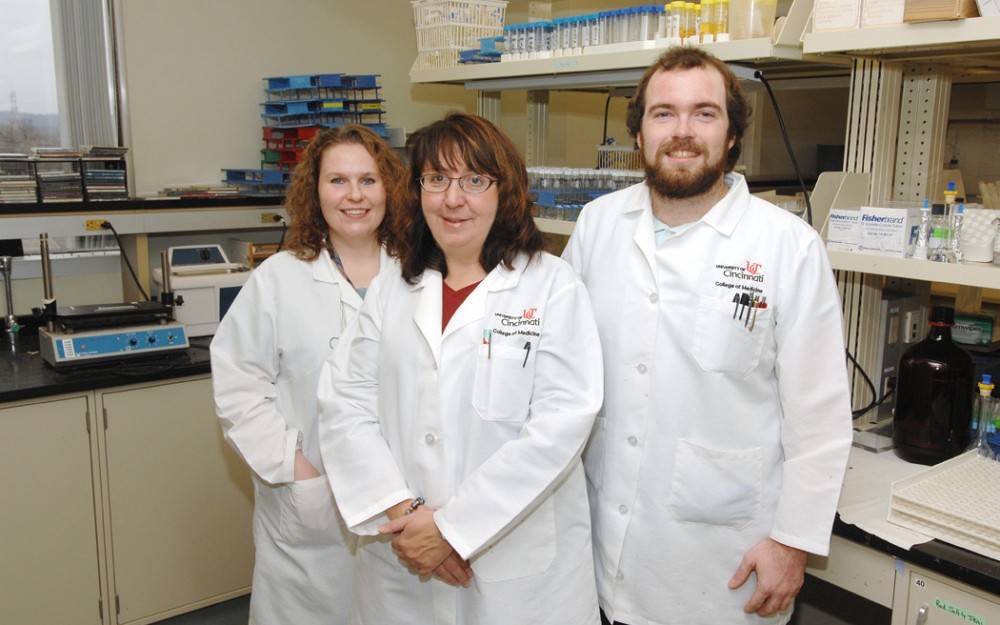
The study, conducted using mouse models and led by Laura Woollett, PhD, UC professor of pathology, is published online and will appear in a February print edition of the American Journal of PhysiologyEndocrinology and Metabolism, published by the American Physiological Society.
Woollett and her team worked to create a mouse model mimicking the human equivalent of multiparity (multiple pregnancies) to determine its effects on obesity in both mothers and their offspring. They compared mice who gave birth four times with those who gave birth only once.
The team found that mouse moms who gave birth four times accrued significant fat compared with moms giving birth only once (primiparous), even those of similar age. Results also showed larger glucose spikes after mealsa warning sign for diabetes. In addition, multiparous mouse moms had significantly more inflammation in many body tissues compared to primiparous mice as well as age-matched females fed a high-fat diet.
The team then studied the offspring of the multiparous and primiparous mice to reveal that negative health effects carried over to male offspring of multiparous moms. Despite similar diets, offspring from multiparous mothers exhibited significant weight gain into adulthood, weighing up to 40 percent more than offspring from primiparous mothers.
The authors say the weight differences were more apparent as the offspring aged, suggesting that excess energy was stored as fat only after growth rate slowed down. When the researchers examined genes responsible for storing versus using fat, the offspring of multiparous animals appeared to use less fat compared with those of the primiparous animals.
"This study allowed us to mimic in mouse models the weight gain that we tend to see in humans who give birth multiple times, says Woollett, who adds that, due to excessive inflammation that occurs in the multiparous moms, better health outcomes for multiparous women may not be as simple as having effective weight-loss strategies between pregnancies.
"The current studies are important in supporting a healthier, less obese population in that we have defined specific metabolic pathways that are likely involved in the programming of obesity and can be targeted in either the mother or her offspring says Woollett.
Co-authors include Sandra Rebholz, Thomas Jones, Katie Burke, David DAlessio, MD, Anja Jaeschke, PhD, and Patrick Tso, PhD, all of the UC College of Medicine.
The research was supported primarily by a grant from the MICROMouse program of the Mouse Metabolic Phenotyping Center, a program supported by the National Institute of Diabetes and Digestive and Kidney Diseases of the National Institutes of Health.
Related Stories
On-site training in Speech & Hearing Clinic sets UC’s programs apart
August 27, 2026
At the University of Cincinnati’s Speech & Hearing Clinic, Doctor of Audiology and Speech-Language Pathology graduate students gain real-world experience while providing free speech and hearing services to the community.
Designing with cancer patients' needs in focus
August 27, 2026
Kristina Shin is designing garments that prioritize the comfort, function and confidence of breast cancer patients, addressing a need often overlooked by traditional fashion.
UC, NKU renew longstanding partnership supporting Army ROTC cadets
August 26, 2026
The University of Cincinnati Army ROTC and Northern Kentucky University (NKU) have renewed a longstanding partnership that supports students preparing to become Army officers and leaders in their communities. The universities formalized the renewed agreement during a signing event Aug. 11 at NKU.