Neurologic Complications of Cancer Service Addresses Quality of Life

Cancer survivorship—not just living beyond a cancer diagnosis—it is about thriving. Quality of life is critical for a person’s holistic healing in the fight against cancer, both during active treatment and in the time afterward.

"Earlier cancer diagnoses and advances in treatment have resulted in more patients living beyond cancer. This increase in survivorship has also resulted in increased neurologic complications from cancer therapies, creating a new need that our clinical care model must address,” explains George Atweh, MD, director of the UC Cancer Institute and hematology oncology division chief for the UC College of Medicine. 

In partnership with the UC College of Medicine Department of Neurology and the Brain Tumor Center, the UC Cancer Institute now offers a dedicated clinic for managing neurologic complications of cancer—both acute and chronic. Appointments are available Thursdays in the UC Health Barrett Center, 234 Goodman St. in Clifton.  

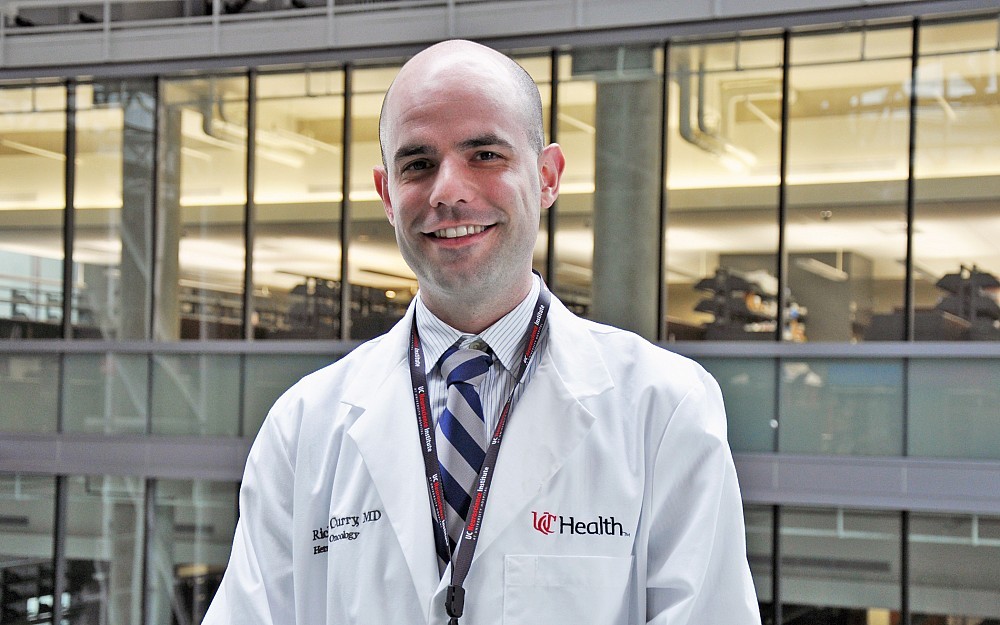
"Fifteen percent of cancer patients will develop neurologic complications (excluding depression), and many of those are treatable,” says Richard Curry, MD, the UC Health neurologist with additional fellowship training in neuro-oncology offering this new service. "Most of these side effects occur during active treatment, so addressing them effectively is critical for maintaining patient morale. Treatment can be emotionally and physically tiring.” 

Common side effects of cancer treatment include chronic headaches, loss of feeling in fingers/feet/face, seizures, stroke, weakness and spasticity. Curry works side-by-side with both UC Cancer Institute and community oncologists to help patients resolve their symptoms faster and improving quality-of-life. 

"Traditionally, oncologists either manage the neurologic side effects of cancer treatment themselves or refer their patients to a general neurologist,” Atweh explains. "Having specialized expertise in neurology in our cancer center provides a new level of expertise and service that does not exist elsewhere. This is a new model that responds directly to the holistic care needs of our patient, addressing quality of life issues versus strictly addressing the person’s cancer.”   

Related Stories

1

UC experts say proper produce washing is key defense against Cyclospora

July 17, 2026

Hamilton County Public Health reports confirmed cases of cyclosporiasis, as concerns persist. Cyclospora is a parasite that can cause a stomach illness lasting days — sometimes even weeks. University of Cincinnati medical experts say it is usually linked to contaminated water or food, often fresh produce.

2

UC students organize free health clinic in community

July 15, 2026

The University of Cincinnati student chapter of Remote Area Medical held its annual free health clinic July 11-12 at St. Xavier High School. Medical, dental and vision care was offered to adults and children, with no income requirements or insurance needed.

