UC HEALTH LINE: Stroke Awareness Vital, Researcher Says

CINCINNATIA recently published study highlighting stroke in younger populations attracted worldwide media attention. Still, the University of Cincinnati (UC) professor of neurology who led the research notes that more should be done to make the public aware of stroke and the critical importance of fast treatment.
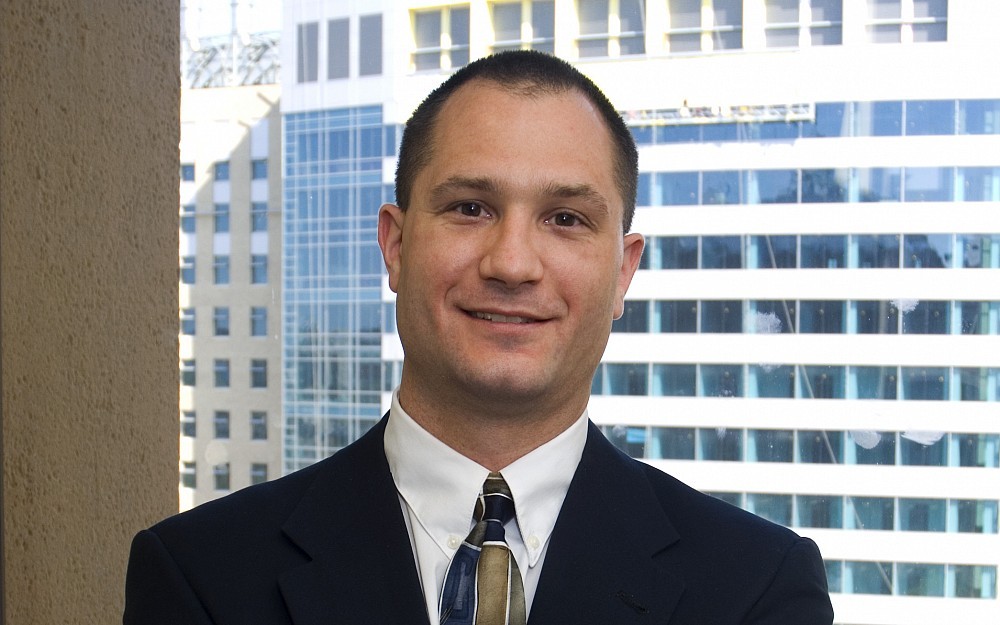
"The awareness of stroke is exceedingly low in the general public, especially among those at highest risk, says Brett Kissela, MD, vice chair of the neurology department at the UC College of Medicine and a member of the UC Neuroscience Institute, a center of excellence within UC Health.
The study led by Kissela, funded by the National Institute of Neurological Disorders and Stroke within the National Institutes of Health and published in Oct. 23, 2012, issue of the journal Neurology, showed that in Cincinnati and Northern Kentucky the proportion of all first strokes under age 45 rose to 7.3 percent in 2005 from 4.5 percent in 1993-94 and 5.5 percent in 1999.
Additionally, in 1993-94 the average age of first stroke in the region was 71.3 years. That number dropped to 70.9 in 1999 and 68.4 by 2005. (Data analysis from 2010 is under way, Kissela says.)
In another recent study led by Kissela, using the same population base as the study on stroke in the young, researchers found that younger adults who suffered a stroke were often smokers or had abused drugs or alcohol. The study was published online ahead of print in Stroke, an American Heart Association/American Stroke Association (AHA/ASA) journal.
"Certainly we hope that media attention around these studies will raise awareness among young people and make them more likely to go to the doctor to check for risk factors that can be modified, such as hypertension and obesity, Kissela says. "Young people are far less likely to go to a health care provider than older individuals.
"Furthermore, health care providers must also be aware that stroke can occur in the young so that they will take appropriate action in searching for and modifying risk factors, and possibly improving diagnosis of stroke in what remain an unexpected event.
Kissela notes that the AHA/ASA has put a priority on publicizing the warning signs of stroke, which can be summarized by the mnemonic device FAST: Face drooping; Arm weakness; Speech difficulty; and Time to call 911.
Time is of the essence, Kissela says, because treatment (the clot-busting drug tissue plasminogen activator, or tPA) is available that can reverse the effects of acute ischemic stroke (caused by a blood clot), but it can only be given within three hours of stroke onset.
Kissela is a member of the UC Stroke Team, a group of UC physicians and health professionals dedicated to providing rapid diagnosis and treatment of stroke patients. The team serves as a community resource to all Greater Cincinnati hospitals, while managing the stroke treatment program at University of Cincinnati Medical Center.
The UC neurology departments stroke research program was the first to test and explore the use of tPA and continues to serve a leading role in both clinical and basic research for stroke and many other neurological conditions, including epilepsy, cognitive disorders, Parkinsons disease and movement disorders, multiple sclerosis, neuromuscular disorders and headache.
"We need to continue to study this problem, Kissela says of stroke in the young. "Further research will be necessary to see what interventions might have the highest impact.
Related Stories
Cancer Center plays key role in lab research, clinical trials for new pancreatic cancer drug
September 1, 2026

WLWT and WCPO highlighted the contributions of University of Cincinnati Cancer Center researchers that helped lead to the recent FDA approval of daraxonrasib, a new treatment for pancreatic cancer.
Cancer Center physician receives $150,000 New Investigator Research Grant to study treatment-resistant leukemia
September 1, 2026
The University of Cincinnati Cancer Center’s Sarah Skuli, MD, PhD, received a two‑year, $150,000 Leukemia Research Foundation New Investigator Grant to study TP53‑mutated leukemia, a treatment‑resistant subtype with very poor outcomes.
Heavy social media use linked to depression
August 31, 2026

U.S. News and World Report, Yahoo! News, MSN, USA Today and other national media highlight a new study by the University of Cincinnati and Northwestern University that found a correlation between heavy social media use and depression in adults.