HEALTH LINE: Tips for Staying Healthy While Traveling

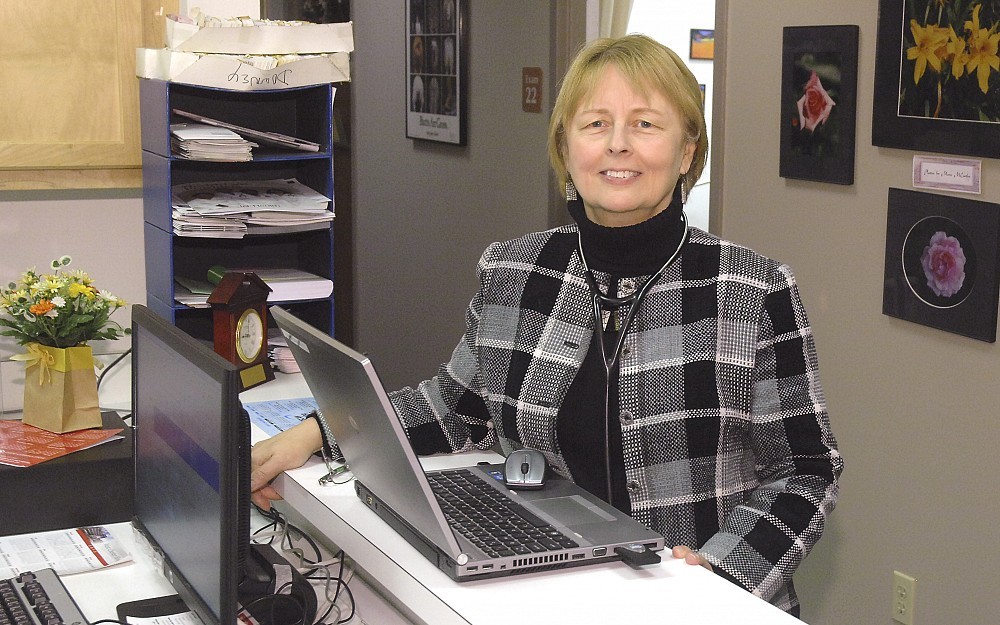
CINCINNATIVacation season is upon us, and many people are packing their bags for excursions near and far. However, illness doesnt take a break, and sometimes it strikes at the most inopportune times. Kathleen Downey, MD, associate professor in the department of family and community medicine at the UC College of Medicine and UC Health primary care physician in Wyoming, says there are tips for travelers to follow to avoid getting sickor sickerduring trips and ways to handle illness on the road. "Patients should be sure to have a copy of the medicines they are taking as well as any allergies they have and their past medical history which can all be obtained by putting in a call to their doctors office before leaving, she says, adding that it is important to keep one to two days worth of regular medications on your person, in case your luggage gets lost. Downey says physicians often get calls from ill patients who are traveling, which is fine if it pertains to a pre-existing condition or an illness that a physician feels comfortable treating over the phone. "However, that may not be the case, and you may be told to go to an urgent care, which is a completely suitable place to go if your condition is not life-threatening, she says. "Additionally, if you do call your primary care physician in need of a prescription, please have a pharmacy fax number and name ready and available for the quickest communication and treatment. Downey adds that pharmacists are great resources for over-the-counter remedies and for conditions you might encounter when traveling. Other tips: · Put together and carry a first-aid kit with you in your suitcase for fast access to items you may need like ibuprofen, cough drops or Band-Aids. · Be sure to move your legs or get up and walk around every two hours to avoid possible blood clots which could occur in your legs during long plane or car rides. · A decongestant will often help reduce ear pain experienced because of changing pressure in an airplane. Sucking on a candy, swallowing or holding your nose and blowing are also safe and effective ways to alleviate this. · Drink plenty of water to avoid both dehydration and constipation during travel. · To avoid jet lag, try to copy the sleep pattern of the place you will be awakening. · Ask your physician for any special medications you may need for your trippatches for sea sickness if you are taking a cruise or a sedative if you are uncomfortable flying. Downey also says that physicians in her practice are trained to help patients who may be traveling to exotic locations. "We know how to prepare people who are traveling internationally and also have the knowledge and capability to treat them if they happen to get sick while abroad, she says. "We can advise on foods to eat, water quality and even the political state of the area to which they are traveling to best prepare them. She adds that patients should see a physician prior to traveling overseas at least one month in advance, as sometimes it takes longer for vaccines to take effect, or physicians might need to order a medication. "These services are unique to the region, says Downey. "Our physicians are offering their expertise to keep you safe both near and far. "Vacation is meant to be a fun time to get away from our responsibilities and just enjoy life, but we cant always prevent sickness, she continues. "Take the normal precautions to avoid general sicknesseating right, getting plenty of sleep and washing your handsbefore and during your trip and if you do get sick while away, take the proper action to remedy the problem before it worsens.
Related Stories
Cancer Center plays key role in lab research, clinical trials for new pancreatic cancer drug
September 1, 2026

WLWT and WCPO highlighted the contributions of University of Cincinnati Cancer Center researchers that helped lead to the recent FDA approval of daraxonrasib, a new treatment for pancreatic cancer.
Cancer Center physician receives $150,000 New Investigator Research Grant to study treatment-resistant leukemia
September 1, 2026
The University of Cincinnati Cancer Center’s Sarah Skuli, MD, PhD, received a two‑year, $150,000 Leukemia Research Foundation New Investigator Grant to study TP53‑mutated leukemia, a treatment‑resistant subtype with very poor outcomes.
Heavy social media use linked to depression
August 31, 2026

U.S. News and World Report, Yahoo! News, MSN, USA Today and other national media highlight a new study by the University of Cincinnati and Northwestern University that found a correlation between heavy social media use and depression in adults.