Study Links Flame Retardants to Hyperactivity, Lower Intelligence

CINCINNATIA new study led by researchers at the University of Cincinnati (UC) College of Medicine shows that prenatal exposure to chemical flame retardants used in everyday products such as baby strollers, carpeting and electronics is associated with hyperactivity and lower intelligence in early childhood.
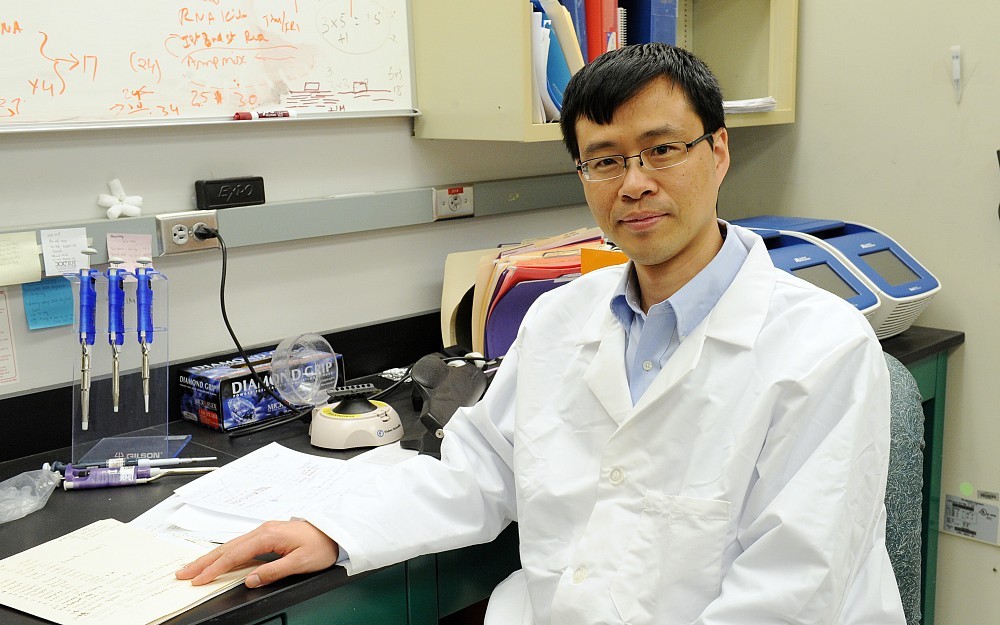
The research on the chemicals, known as polybrominated diphenyl ethers (PBDEs), is being presented Monday, May 6, at the Pediatric Academic Societies (PAS) annual meeting in Washington, D.C. The studys lead author is Aimin Chen, MD, PhD, an assistant professor of environmental health at UC.
"In animal studies, PBDEs can disrupt thyroid hormone and cause hyperactivity and learning problems, says Chen. "Our study adds to several other human studies to highlight the need to reduce exposure to PBDEs in pregnant women.
Chen and his colleagues at UC collected blood samples from 309 pregnant women enrolled in a study at Cincinnati Childrens Hospital Medical Center to measure PBDE levels. They also performed intelligence and behavior tests on the womens children annually until they were 5 years old.
"We found that maternal exposure to PBDEs, a group of brominated flame retardants mostly withdrawn from the U.S. market in 2004, was associated with deficits in child cognition at age 5 years and hyperactivity at ages 2 to 5 years, Chen says. A 10-fold increase in maternal PBDEs was associated with about a four-point IQ deficit in 5-year-old children.
Even though PBDEs, except Deca-BDEs, are not used as a flame retardant in the United States anymore, they are found on many consumer products bought several years ago. In addition, the chemicals are not easily biodegradable, so they remain in human tissues and are transferred to the developing fetus.
"Because PBDEs exist in the home and office environment as they are contained in old furniture, carpet pads, foams and electronics, the study raises further concern about their toxicity in developing children, Chen says.
The study is funded by the National Institutes of Health (NIH) and the Passport Foundation.
Related Stories
UC radiation oncologist speaks with Local 12 news about clinical trial for head and neck cancer treatment
August 10, 2026

Dr. Sara Medek, a UC radiation oncology professor, speaks with Local 12 news about a new clinical trial aimed at reducing radiation in certain areas while still treating cancer effectively but with fewer painful side effects.
Cancer Center director charts future based on collaboration, AI
August 10, 2026

David Gius, MD, PhD, was featured in a Cincinnati Business Courier article and The Cancer Letter’s “The Directors" podcast discussing his priorities and goals as he recently took the helm as director of the University of Cincinnati Cancer Center.
UC graduates cross finish line at commencement
August 7, 2026
The University of Cincinnati recognized 2,125 graduates in two ceremonies at summer commencement Friday on campus at Fifth Third Arena.