HEALTH LINE: Heated Chemo Bath Alternative Treatment for Advanced Abdominal Cancers

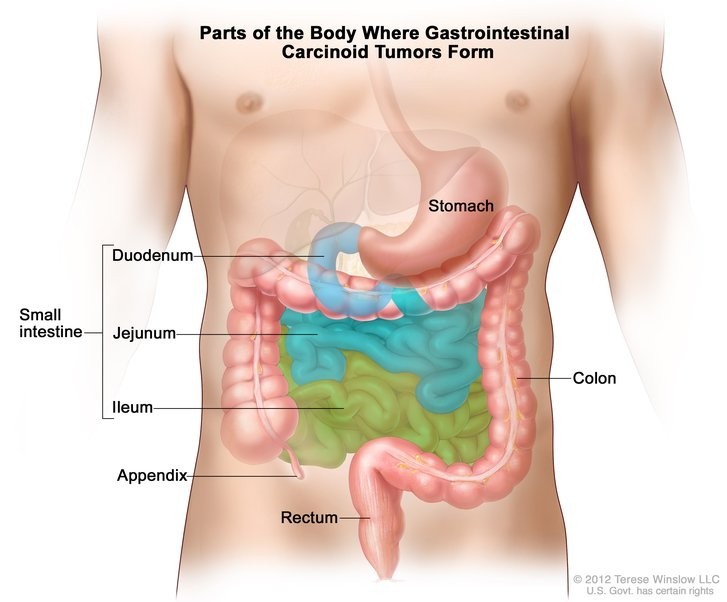
CINCINNATIFor many people with abdominal cancer, the diagnosis comes latewhen the disease has advanced and traditional surgery, radiation and chemotherapy treatments are less effective.
Over the past two decades, surgical oncologists have begun using an innovative treatment approach in advanced abdominal cancers that combines cytoreductive surgeryremoval of visible tumorwith the application of chemotherapy directly to the affected area of the body. Traditional chemotherapy medications are given as an infusion through a vein.
This intraoperative chemotherapy procedureknown as HIPEC (hyperthermic intraperitoneal chemotherapy)is given at the end of cytoreductive surgery. Once the visible tumors are removed, a heated sterile chemotherapy solution is continuously circulated throughout the abdominal cavity to kill any residual cancer cells that cannot be detected by sight.
This "chemo bath continues for 90 to 120 minutes. The solution is then removed before the incision is closed.
"Applying the chemotherapy directly to the abdominal cavity at the time of surgery allows us to deliver a higher concentration of the drug that is better absorbed by the part of the body in need of treatment, says Daniel Abbott, MD, a surgical oncologist with the University of Cincinnati Cancer Institute Comprehensive Gastrointestinal Cancer Center and assistant professor at the UC College of Medicine. "It is also thought to reduce the negative side effects of chemotherapy treatment to other, unaffected parts of the body by delivering it directly to the targeted area.
Scientific literature also suggests that adding heat to chemotherapy may improve the drugs ability to kill cancer cells without causing additional harm to healthy cells, Abbott notes.
The HIPEC Procedure
During the HIPEC procedure, chemotherapy is heated to above body temperature and then applied directly to the abdominal cavity. This is done afterbut in conjunction withsurgery to remove visible tumors. The surgical oncologist delivers the heated chemotherapy to the target area. A perfusionist then uses a specialized pump to continuously circulate the solution throughout the abdominal cavity for up to two hours to help eradicate any residual cancer cells that still exist.
Appointments & More Information
For appointments with UC Health surgical oncology, call 513-584-8900. To learn more about the UC Cancer Institute Gastrointestinal Cancer Team, visit uccancer.com/GI.
Related Stories
Cancer Center plays key role in lab research, clinical trials for new pancreatic cancer drug
September 1, 2026

WLWT and WCPO highlighted the contributions of University of Cincinnati Cancer Center researchers that helped lead to the recent FDA approval of daraxonrasib, a new treatment for pancreatic cancer.
Cancer Center physician receives $150,000 New Investigator Research Grant to study treatment-resistant leukemia
September 1, 2026
The University of Cincinnati Cancer Center’s Sarah Skuli, MD, PhD, received a two‑year, $150,000 Leukemia Research Foundation New Investigator Grant to study TP53‑mutated leukemia, a treatment‑resistant subtype with very poor outcomes.
Heavy social media use linked to depression
August 31, 2026

U.S. News and World Report, Yahoo! News, MSN, USA Today and other national media highlight a new study by the University of Cincinnati and Northwestern University that found a correlation between heavy social media use and depression in adults.