Patient s Proactive Health Approach Helped Her Battle Pancreatic Cancer

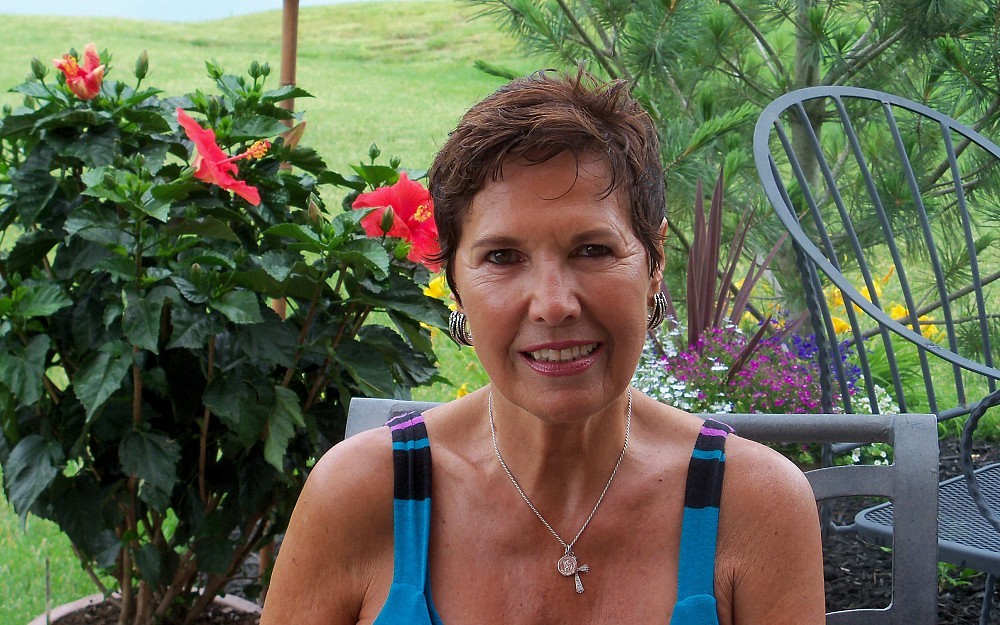
Sophia Swann, 71, of Springboro, Ohio, considers herself very lucky. In 2011, she thought she had been given a death sentence when she was diagnosed with pancreatic cancer.
This form of gastrointestinal cancer affects just 44,000 people annually, but is the fourth-leading cause of cancer-related death in the United States. Most patients are diagnosed in late stages, when the cancer is inoperable and therefore incurable.
"My diagnosis was a bit coincidental. I had been treated for chronic pancreatitis for about four years. The last time my symptoms hit, the attending doctor suggested they run a CA199 test (cancer biomarker blood test), given my symptoms and medical history, Swann recalls.
That test began a rapid journey toward a stage-1 pancreatic cancer diagnosis and Swanns ultimate successful treatment to overcome the disease.
"Doctors told me that the tumor had most likely been growing for five years. If the disease had been found just a year later, it would have progressed to a point that treatment was not possible, says Swann.
Swann immediately scheduled appointments with two surgical oncologistsone in Cincinnati, the other in Columbus. After consulting with Syed Ahmad, MD, a UC Health surgical oncologist and director of the UC Cancer Institute Comprehensive Gastrointestinal Cancer Center, she canceled the second opinion.
"Dr. Ahmad was my guy. My daughter-in-law (Tina) and I were so impressed with his knowledge, confidence and bedside manner. We looked at each other after meeting Dr. Ahmad and agreed: We need not look any further. He was the man she recalls.
Ahmad performed Swanns Whipple procedure (named for the surgeon who first performed it and also known as a pancreaticoduodenectomy) on March 29, 2011. The surgery involves removal of the "head" (wide part) the duodenum (first part of small intestine), a portion of the common bile duct, gallbladder and sometimes part of the stomach. The remaining intestine, bile duct and pancreas are then reconnected.
Swann spent 12 days recovering in the intensive care unit at UC Medical Center and many more weeks at home regaining her strength and moving back to normal life.
Proactive Approach Made Difference
"I was very proactive in my care. I was not going to lay back, depend on pain pills or wallow in self pity. I kept up my personal appearance, and used every bit of positive energy I could muster up to recover to the fullest, recalls Swann, noting that she continued to eat healthfully, get enough sleep and exercise. "I made sure that I did what I was supposed to do, and my caregivers and medical team did what they were supposed to do. It was a team effort.
Swans doctors will tell you that, as a self-described optimist, she never complained. She did what she did every day before her diagnosisshe focused on the positive side of things.
"I breathed a huge sigh of relief when I reached two years of being cancer free in May 2013, recalls Swann. "About half of patients who have my type of pancreatic tumor (IPNN) have a recurrence in the first two years.
"I am thankful I had access to one of the best pancreatic cancer surgical teams close to home, and for the massive network of loving friends and family who buoyed me up along the way.
Now Swann is back to power walking every dayshe clocks about 20 miles a weekand spending time with friends and family.

Syed Ahmad, MD
Tags
Related Stories
Cancer Center plays key role in lab research, clinical trials for new pancreatic cancer drug
September 1, 2026

WLWT and WCPO highlighted the contributions of University of Cincinnati Cancer Center researchers that helped lead to the recent FDA approval of daraxonrasib, a new treatment for pancreatic cancer.
Cancer Center physician receives $150,000 New Investigator Research Grant to study treatment-resistant leukemia
September 1, 2026
The University of Cincinnati Cancer Center’s Sarah Skuli, MD, PhD, received a two‑year, $150,000 Leukemia Research Foundation New Investigator Grant to study TP53‑mutated leukemia, a treatment‑resistant subtype with very poor outcomes.
Heavy social media use linked to depression
August 31, 2026

U.S. News and World Report, Yahoo! News, MSN, USA Today and other national media highlight a new study by the University of Cincinnati and Northwestern University that found a correlation between heavy social media use and depression in adults.