UC Graduates First Audiologists with Animal Expertise

In the Fall 2013 commencement, the College of Allied Health Sciences will graduate its first class of audiologists with a certificate in animal audiologythe first certificate program of its kind.
The certificate, launched in the fall of 2011, is a new focus area combining the fields of audiology and veterinary medicine. Creator and associate professor of communication sciences and disorders Pete Scheifele, PhD, says theres a growing need for audiologists who can test for and diagnose hearing problems in animals, particularly dogs.
"Currently, there are 80 breeds of dogs experiencing genetic deafnesswith more experiencing deafness due to age and noise, he says. "While veterinarians receive training in otology, they are not specifically trained in audiology for animals. Theres a growing demand for animal audiology servicesnot just from pet owners, but from the American Kennel Club and from organizations that work with service and working dogs.
The certificate is available to UC audiology doctoral students, as well as currently licensed audiologists. Students take three courses in animal physiology and electrophysiological hearing testing before completing a required 30-hour practicum.
Aniruddha Deshpande will be the first to receive the new certificate during the doctoral hooding and masters recognition ceremony Friday, Dec. 13.
Deshpande came to UC to get his PhD in audiology in 2009, when he met Scheifele and decided to also enroll in the certificate program.
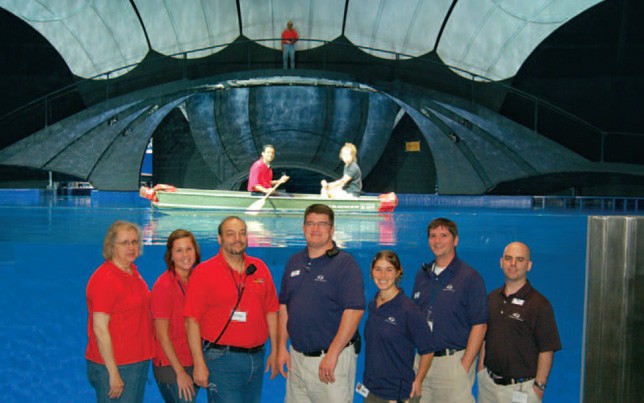
"Ive always been interested in animal physiology and anatomy, he says. "My mother is a zoology professor and as a child, I always accompanied her to field trips. When I came to UC, I viewed the certificate as a golden opportunity to combine my skills and passion. I was thrilled with the prospectIve not found this program elsewhere. Ive had wonderful opportunities to put my skills to test, like the acoustic mapping of the dolphinarium at the Georgia Aquarium. With this program, you also have the opportunity to give back to the community via volunteer programs like the Canine Corps.
Deshpandes practicum for the certificate involved first serving as a technician in FETCHLAB during canine hearing screenings, then running hearing screenings and diagnostics under supervision.
UCs FETCHLAB is the only U.S. program that has the capability to teach animal audiology to certificate students. But this fall, Scheifele has worked to make the certificate more accessible to distance learning students. These new students can take their coursework online, and then have the choice of coming to UCs FETCHLAB or working with a local, approved veterinarian for their final practicum.
"We now have potential students from all over the U.S. who can take these courses online, says Scheifele. "Its a great thing, because well be able to teach students who are out in the population, already working as veterinarians or practicing audiologistsand were building connections with veterinarians so they can add audiology services to their existing practice.

Pete Scheifele, PhD, (left) and David Brown, PhD
Related Stories
On-site training in Speech & Hearing Clinic sets UC’s programs apart
August 27, 2026
At the University of Cincinnati’s Speech & Hearing Clinic, Doctor of Audiology and Speech-Language Pathology graduate students gain real-world experience while providing free speech and hearing services to the community.
UC, NKU renew longstanding partnership supporting Army ROTC cadets
August 26, 2026
The University of Cincinnati Army ROTC and Northern Kentucky University (NKU) have renewed a longstanding partnership that supports students preparing to become Army officers and leaders in their communities. The universities formalized the renewed agreement during a signing event Aug. 11 at NKU.
Funding expands UC research into weight gain side effects of bipolar medication
August 26, 2026
University of Cincinnati researchers have been approved for funding by the Patient-Centered Outcomes Research Institute (PCORI) to expand the implementation of healthy lifestyle interventions and metformin prescription to help manage weight gain in overweight or obese youth taking second-generation antipsychotic medications.