HEALTH LINE: Pap Tests Important to Catch Cervical Cancer Early

CINCINNATIA new year is beginning and with that comes the resolve from many to get healthier, which could mean anything from eating better and exercising to staying on top of yearly examinations.
Eric Eisenhauer, MD, a member of the UC Cancer Institute, professor at the UC College of Medicine and medical director of gynecologic oncology at UC Health, says that in the case of cervical cancer, a regular Pap test could be what stops cancer in its tracks.
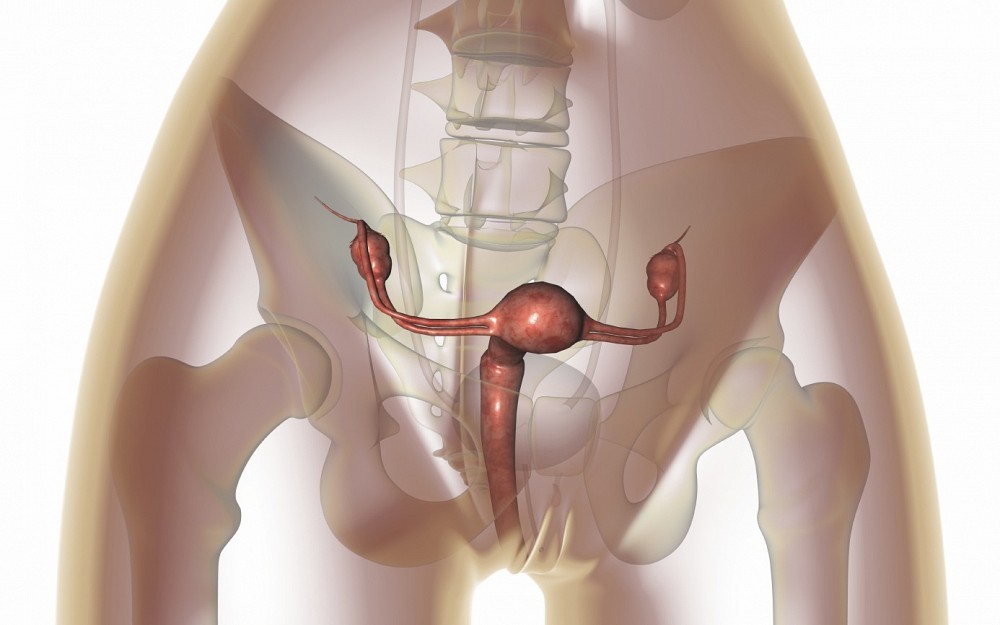
"Cervical cancer occurs when abnormal cells on the cervix grow out of control, Eisenhauer says, noting that the cervix is the lower part of the uterus that opens into the vagina. "Cervical cancer can often be successfully treated when it's found early by a Pap test.
Most cervical cancer is caused by the human papillomavirus, or HPV, which can be contracted by having sexual contact with someone who has it. A person can have HPV for years undetected, leading to cervical cancer years after infection.
"With January being Cervical Cancer Awareness Month, its a good time to remind women that it is important to have regular Pap tests which can detect changes in cervical cells before they turn into cancer, Eisenhauer says. "There has been some confusion for many patients in the last few years as to what is the right time interval between Pap tests. An annual gynecologic exam is important for all women, and your gynecologist will decide with you the correct interval for testing.
During a Pap test, the physician removes a small sample of cells from the surface of the cervix to look for cell changes. If a Pap test shows abnormal cell changes, the physician may do other tests to look for precancerous or cancer cells on the cervix or take a biopsy of the tissue if symptoms of cervical cancer have been experienced by the patient.
"If cancerous cells are detected, there are treatments that range from surgery (a hysterectomy) to chemotherapy, Eisenhauer says. "However, a Pap test is the best way to find abnormalities or changes that could lead to cervical cancer. Regular Pap tests almost always show these cell changes before they turn into cancer.
He adds that it is important to follow up with a doctor after any abnormal Pap test result and especially if you experience symptoms that could mean cervical cancer like:
· Vaginal bleeding that is not normal or is experienced after sex or when something comes into contact with the cervix.
· A change in menstruation that cannot be explained.
· Pain during sexual intercourse.
· Vaginal discharge that is tinged with blood.
Eisenhauer adds that if a woman is 26 years old or younger, an HPV vaccine exists, which protects against two types of HPV that cause cervical cancer.
"The virus that causes cervical cancer is spread through sexual contact; safe sex will greatly increase your chance of not contracting HPV and developing cervical cancer, he says.

Eric Eisenhauer, MD, has joined the College of Medicine as director of the division of gynecologic oncology and associate professor of obstetrics and gynecology
Related Stories
Cancer Center plays key role in lab research, clinical trials for new pancreatic cancer drug
September 1, 2026

WLWT and WCPO highlighted the contributions of University of Cincinnati Cancer Center researchers that helped lead to the recent FDA approval of daraxonrasib, a new treatment for pancreatic cancer.
Cancer Center physician receives $150,000 New Investigator Research Grant to study treatment-resistant leukemia
September 1, 2026
The University of Cincinnati Cancer Center’s Sarah Skuli, MD, PhD, received a two‑year, $150,000 Leukemia Research Foundation New Investigator Grant to study TP53‑mutated leukemia, a treatment‑resistant subtype with very poor outcomes.
Heavy social media use linked to depression
August 31, 2026

U.S. News and World Report, Yahoo! News, MSN, USA Today and other national media highlight a new study by the University of Cincinnati and Northwestern University that found a correlation between heavy social media use and depression in adults.