Study Sheds Light on Genetic Factors for Intracranial Aneurysm

CINCINNATIA large collaborative study that included researchers from the University of Cincinnati (UC) College of Medicine is reporting a new chromosomal region associated with intracranial aneurysm susceptibility, shedding new light on genetic risk factors for a life-threatening condition.
The research from the Familial Intracranial Aneurysm (FIA) project is being presented today (Thursday, Feb. 13, 2014), at the American Heart Association/American Stroke Associations International Stroke Conference 2014 in San Diego.
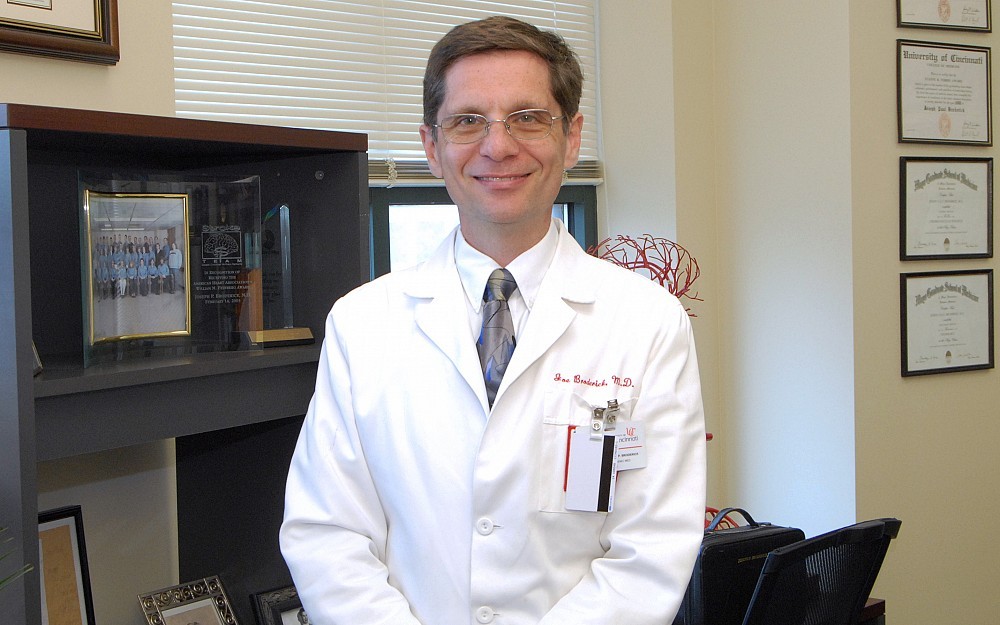
Joseph Broderick, MD, distinguished research professor at UC and director of the UC Neuroscience Institute, an institute of the UC College of Medicine and UC Health, is giving the oral presentation on behalf of an international collaborative research effort. Sponsored by the National Institute of Neurological Diseases and Stroke (NINDS), the study is examining genetic and environmental risk factors for intracranial aneurysm. This analysis involved collaboration with researchers in the Netherlands and Finland.
An intracranial aneurysm is a weak, bulging spot on the wall of a brain artery. The aneurysm may eventually rupture, allowing blood to escape into the area around the brain (subarachnoid hemorrhage). When that happens, advanced surgical treatment is often required. Treatment options include surgical clipping, coiling and bypass.
Unruptured brain aneurysms often have no symptoms. The Brain Aneurysm Foundation estimates that 6 million Americans have an unruptured brain aneurysm that has gone undiagnosed. When an aneurysm does rupture, the foundation says, about 15 percent of the victims die before reaching a hospital. Ruptured brain aneurysms are fatal in about 30 to 40 percent of cases. Of those who survive, about 66 percent suffer some permanent neurological defect.
The researchers, by performing a genomewide association analysis in a discovery sample of Caucasian ancestry, identified evidence of association of intracranial aneurysms with a region of chromosome 7, one of 23 chromosome pairs in the human body. Additionally, they replicated evidence of association with IA in chromosome 9, which was reported previously to be associated with IA.
"The chromosome 7 region, while newly associated with intracranial aneurysm, was previously associated with ischemic stroke and large vessel ischemic stroke, suggesting a possible genetic and vascular link between these stroke subtypes and intracranial aneurysm, says Broderick.
"As for chromosome 9, weve reconfirmed that its the location of the area most strongly associated with intracranial aneurysm. This region on chromosome 9 has also been linked to ischemic stroke related to large artery disease.
Broderick notes that its important to gain a better and more complete understanding of the gene variations that lead to aneurysm.
"If we identify people who have a stronger family risk for aneurysm, we can make it very clear to them that they must avoid other risk factors such as smoking and high blood pressure, he says.
Also, he said, people with an elevated genetic risk factor might be encouraged to undergo brain imaging to make sure no aneurysms are developing.
Related Stories
UC radiation oncologist speaks with Local 12 news about clinical trial for head and neck cancer treatment
August 10, 2026

Dr. Sara Medek, a UC radiation oncology professor, speaks with Local 12 news about a new clinical trial aimed at reducing radiation in certain areas while still treating cancer effectively but with fewer painful side effects.
Cancer Center director charts future based on collaboration, AI
August 10, 2026

David Gius, MD, PhD, was featured in a Cincinnati Business Courier article and The Cancer Letter’s “The Directors" podcast discussing his priorities and goals as he recently took the helm as director of the University of Cincinnati Cancer Center.
UC graduates cross finish line at commencement
August 7, 2026
The University of Cincinnati recognized 2,125 graduates in two ceremonies at summer commencement Friday on campus at Fifth Third Arena.