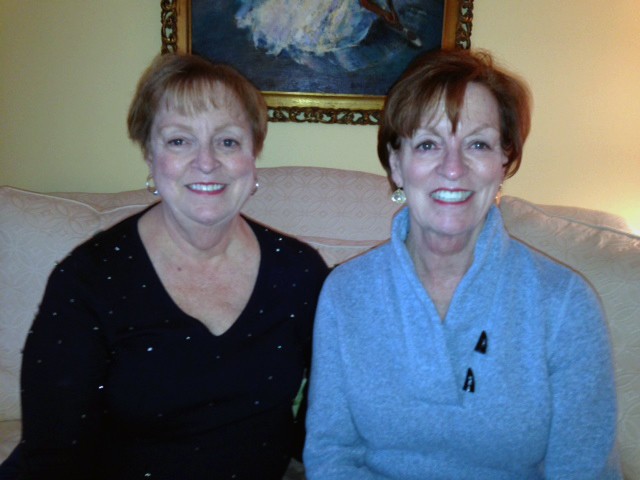
Patient Thankful for Lung Cancer Screening Program Preventing Recurrence

Margaret Davis used to start out every day with a Pepsi and a cigarette.
She says that from the time she was 16, she would smoke a pack to a pack and a half of cigarettes a day.
However, after 13 years of smoking, she decided to quit because of the social stigma associated with cigarette smoke ... and the smell.
"I never liked the smell, and I would always brush my teeth before leaving the house because I didnt want people to smell smoke on me, she says.
Thirty-three years later, in 2010, after breathing issues led to a CT scan, Davis had a tumor (stage IA cancer) surgically removed from her lung by the UC Cancer Institutes Sandra Starnes, MD, at UC Medical Center. Starnes is a UC Health thoracic surgeon.
"I was very fortunate to have had it found and removed at that stage, Davis says. "It would have gotten much worse before symptoms appeared, and they might not have been able to do anything to help.
Since then, Davis has undergone close surveillance by Starnes and Kevin Redmond, MD, UC Health radiation oncologist and a member of the UC Cancer Institute, who are both part of the Comprehensive Lung Cancer Centers Lung Cancer Screening Program.
Two additional nodules were found, and she underwent the latest targeted radiation treatment for one this past December.
"The low radiation dose chest computed tomography, or CT, scans for screening, identify unrecognized disease in people who have no signs or symptoms of lung cancer in an attempt to intervene earlier when disease is generally more treatable, Starnes says.
Recently, the U.S. Preventive Service Task Force issued its guidelines on lung cancer screening, recommending annual screening for lung cancer with low-dose CT in adults ages 55 to 80 who are at high risk for lung cancer because they have smoked a pack or more per day of cigarettes for at least 30 years and currently smoke or have quit within the past 15 years.
The UC Comprehensive Lung Cancer Centers screening program has been using low-dose CT scans for this purpose for over a year.
Davis is happy that she was able to find the best, most effective treatment close to home.
"Dr. Starnes and the rest of the team are just so great, she says. "You can tell they really care, and they bend over backward to get you what you need.
"Its important for anyone who has smoked in the past to get screened. I have an identical twin sister who Ive been urging to sign up. (*Her sister was recently screened.) You cant be too careful. Its just fantastic that we have this dedicated team right here in Cincinnati.
Now, Davis says she starts each day out a little different.
"I have a cup of decaf instead, she laughs.

Sandra Starnes, MD, is chief of the thoracic surgery division for the UC College of Medicine Department of Surgery.
Tags
Related Stories
On-site training in Speech & Hearing Clinic sets UC’s programs apart
August 27, 2026
At the University of Cincinnati’s Speech & Hearing Clinic, Doctor of Audiology and Speech-Language Pathology graduate students gain real-world experience while providing free speech and hearing services to the community.
Funding expands UC research into weight gain side effects of bipolar medication
August 26, 2026
University of Cincinnati researchers have been approved for funding by the Patient-Centered Outcomes Research Institute (PCORI) to expand the implementation of healthy lifestyle interventions and metformin prescription to help manage weight gain in overweight or obese youth taking second-generation antipsychotic medications.
One in four NFL players had CTE at death
August 25, 2026

Forbes cites research on concussions and football helmets by the University of Cincinnati in a report that found one in four NFL players had brain damage at death.