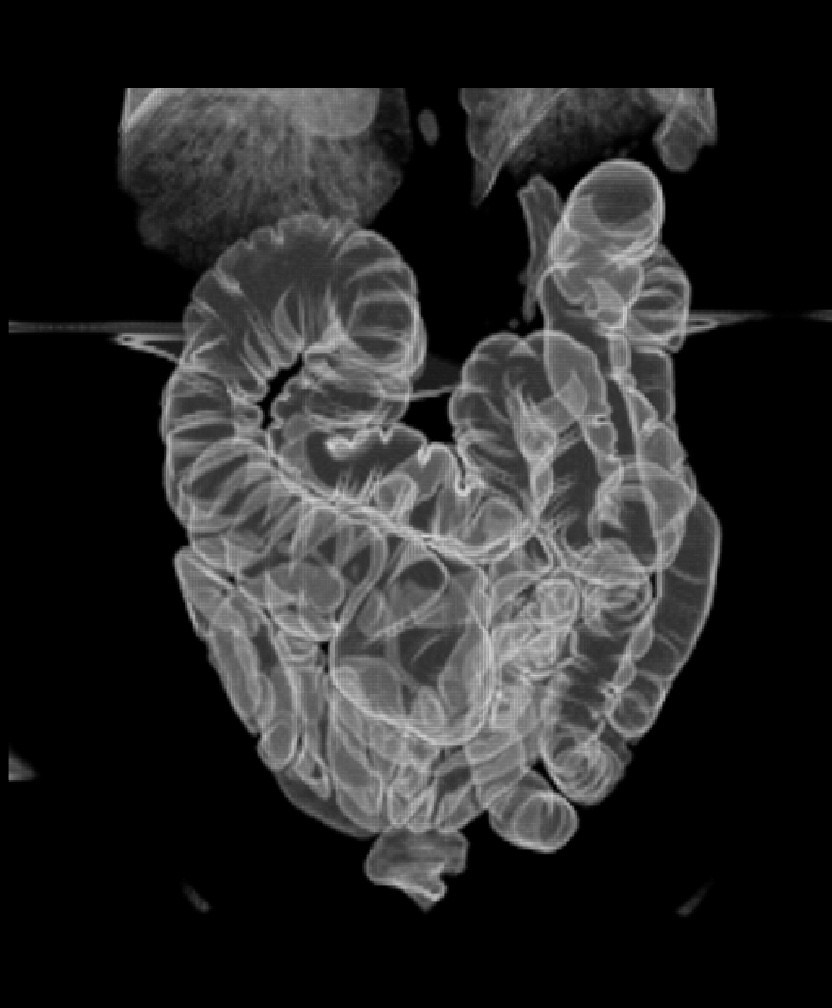
HEALTH LINE: Colon Cancer Decreases but Misconceptions Remain

CincinnatiRecent reports have shown that colon cancer rates have fallen by 30 percent over the past decade, particularly in people over age 50, because of the effectiveness of colonoscopies and awareness efforts surrounding the condition.
Martha Ferguson, MD, UC Cancer Institute physician, associate professor at the UC College of Medicine and UC Health Colon and Rectal surgeon, says that these numbers are promising but that there are still misconceptions that are causing people to forgo their colonoscopy.
"Colonoscopies are recommended every 10 years for average-risk people beginning at age 50earlier if there is a family history of colon cancer, Ferguson says. "However, some people think that a colonoscopy is going to be a miserable, painful test, and that isnt the case.
She says that there are different sedation choices for patients who may not react well to certain methods as well as different preparation choices.
"Many people expect to drink the dreaded gallon of fluid; however, there are now smaller volume options, she says, adding that there is essentially no recovery time from a colonoscopy and that people are back to their normal routine the following day.
Additionally, there are newer techniques to remove polyps and even tumors in a minimally invasive way, possibly eliminating the need for surgery.
"One fear that frequently prevents people from getting screened is that something will be found during a colonoscopy that will require surgery and the use of a colostomy bag, Ferguson says. "However, there are some great options which are alternatives to conventional surgery. Theres a procedure that allows us to inject saline beneath the polyp to lift it higher and remove it non-invasively.
"There is also transanal endoscopic micro-surgery (TEMS) which allows us to use a special operating proctoscopy with magnification to remove large polyps and early cancers from the rectum which might otherwise require permanent colostomy.
She says there is also transanal minimally invasive surgery (TAMIS) which is essentially the same but uses a laparoscope (a fibrotic instrument) for the procedure. She says physicians with the UC Cancer Institute and UC Department of Surgerys Division of Colon and Rectal Surgery are the only ones offering this in the Tristate.
"These techniques allow us to remove a piece of the wall which contains the polyp or cancer, rather than an entire section of the rectum, she adds. "We also do a number of laparoscopic and robotic surgeries.
Mostly, Ferguson stresses that colonoscopies are diagnostic and therapeutic all at the same time.
"Many procedures to remove suspicious polyps can be done during the screening procedure, which is why we think colon cancer incidence has decreased, she says. "This is a way to identify potential cancer in its earliest stages, helping to avoid surgery.
"While weve come a long way, we still need to emphasize the importance of colonoscopies as an effective and safe screening measure for best patient outcomes and a longer, cancer-free life.
Related Stories
Cancer Center plays key role in lab research, clinical trials for new pancreatic cancer drug
September 1, 2026

WLWT and WCPO highlighted the contributions of University of Cincinnati Cancer Center researchers that helped lead to the recent FDA approval of daraxonrasib, a new treatment for pancreatic cancer.
Cancer Center physician receives $150,000 New Investigator Research Grant to study treatment-resistant leukemia
September 1, 2026
The University of Cincinnati Cancer Center’s Sarah Skuli, MD, PhD, received a two‑year, $150,000 Leukemia Research Foundation New Investigator Grant to study TP53‑mutated leukemia, a treatment‑resistant subtype with very poor outcomes.
Heavy social media use linked to depression
August 31, 2026

U.S. News and World Report, Yahoo! News, MSN, USA Today and other national media highlight a new study by the University of Cincinnati and Northwestern University that found a correlation between heavy social media use and depression in adults.