Pharmacy Study Expects to Lower Hospital Readmissions

Getting discharged from the hospital and then having to go right back in again can be emotionally draining for a patient and their family. It can also cause financial strain for all involved
the patient, the hospital system and the insurersincluding Medicaid and Medicare, which are taxpayer funded.
With Medicare, for example, nearly one in five patients discharged from a hospitalapproximately 2.6 million seniorsare readmitted within 30 days, at a cost of over $26 billion annually.
Researchers at the University of Cincinnatis James L. Winkle College of Pharmacy, however, estimate that readmissions could be lowered by as much as 20 percent if, after a hospital stay, high-risk patients received counseling and medication management by a pharmacist in a community pharmacy.
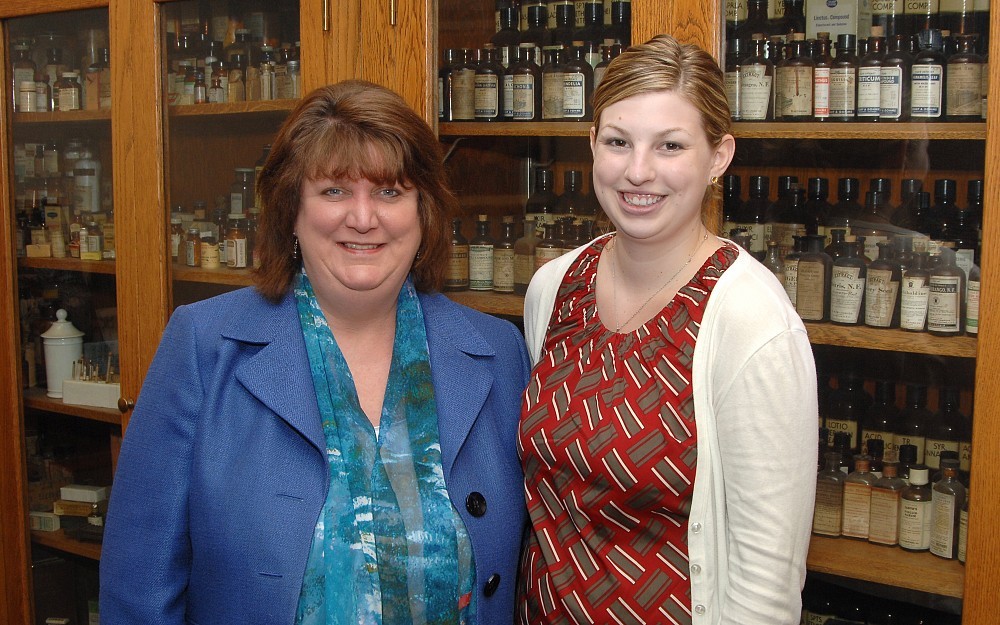
"Patients with certain diseases take many different kinds of medications, and when their medications are well managed, then being readmitted should be mostly preventable, associate professor Pamela Heaton, PhD, says of the colleges participation in a new study which aims to pair 1,000 patients who are at high risk for readmission with a community pharmacist.
The study, funded by a $600,000 grant from the National Association of Chain Drug Stores (NACDS) Foundation, is a partnership among Cincinnatis Health Collaborative, the Kroger Co. and the college. It is based on a 2013 pilot study conducted by assistant professor Heidi Luder, PharmD.
Luder and Heaton are co-investigators on the larger, NACDS-sponsored study.
In the pilot, Luder says, patients who saw the pharmacist were less likely to be readmitted than patients who did not participate.
This study, she says, "is a huge opportunity to expand the successful pilot program to several different hospitals and several different pharmacies across the Cincinnati area. We hope that this larger study will be able to impact more patients on a larger scale and improve the quality of healthcare in Cincinnati.
The Health Collaborative will involve the health care technology partner HealthBridge to build and implement the technology necessary to allow the hospitals to communicate patient information to the pharmacists.
The study will focus on patients with complex disease statesheart failure, COPD, pneumonia, myocardial infarction (heart attack) or diabeteswhen discharged from select hospitals in the UC Health and Mercy Health Partners systems. Patients who volunteer to be in the study will then be contacted by a Kroger pharmacist and seen at one of 45 Kroger pharmacies in the Cincinnati-Dayton market.
The role of the college will be to train the pharmacists on the counseling protocol and to analyze the outcomes, says Heaton, adding: "Historically, hospitals and pharmacies havent had an efficient, accurate way to communicate after the patient is discharged, and its during this transition when a lot of miscommunication happens. We want to be there
we want to show that with these complex cases the community pharmacist can help lower readmissions.
The pharmacist will do a variety of things to improve care such as reviewing medications for contraindications, drug interactions, side effects, non-adherence, duplications, and a variety of other common problems, says Luder, whose faculty position is co-funded by the college and the Kroger Co.
Luder, who is also a community pharmacist, says that she sees first-hand how overwhelmed patients are following discharge from the hospital: "Often medications are discontinued, added or changed during their hospital stay and patients dont fully understand the directions they receive upon discharge. Its very helpful to review discharge instructions with patients a few days after discharge at the community pharmacy to help them understand all the changes that were made.
Additional partners in the study include the Greater Cincinnati Health Council and American Mercy Home Care.
Tags
Related Stories
On-site training in Speech & Hearing Clinic sets UC’s programs apart
August 27, 2026
At the University of Cincinnati’s Speech & Hearing Clinic, Doctor of Audiology and Speech-Language Pathology graduate students gain real-world experience while providing free speech and hearing services to the community.
Funding expands UC research into weight gain side effects of bipolar medication
August 26, 2026
University of Cincinnati researchers have been approved for funding by the Patient-Centered Outcomes Research Institute (PCORI) to expand the implementation of healthy lifestyle interventions and metformin prescription to help manage weight gain in overweight or obese youth taking second-generation antipsychotic medications.
One in four NFL players had CTE at death
August 25, 2026

Forbes cites research on concussions and football helmets by the University of Cincinnati in a report that found one in four NFL players had brain damage at death.