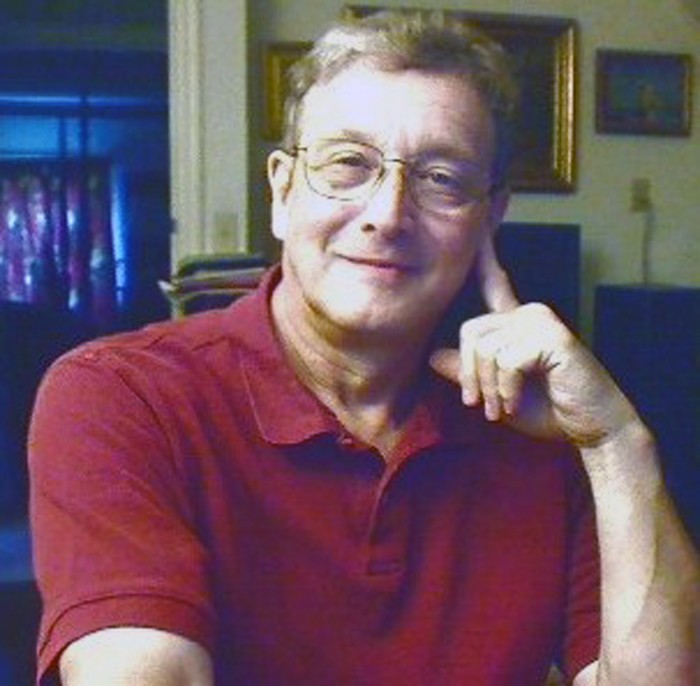
Esophageal Disease Center Team Helps Patient Overcome Esophageal Cancer

Retirement for some people means having the freedom and time to do the things they have always wanted to do, like enjoying time with loved ones and pursuing hobbies.
However, for William Zipfel, 71, retirement unfortunately also brought a cancer diagnosis and time spent overcoming the illness.
"I was having back and shoulder pain for months prior, and my primary care physician, Dr. Brad Mathis, thought it may have just been acid reflux, with which Id previously had trouble, Zipfel says. "However, it persisted, and I began having trouble swallowing. One evening, after taking a few bites out of a hamburger, I just couldnt keep it down. In May 2013, Dr. Mathis recommended an endoscopy that indicated that I had esophageal cancer.
Zipfel, who was an English professor at the University of Cincinnati for 34 years, says this diagnosis came only a week following his retirement and during a time when his partner was being treated for congestive heart failure.
"It all just hit me at once, and I was immediately put on a radio- and chemotherapy regimen to shrink the tumor in my esophagus, he says, adding that Olugbenga Olowokure, MD, and Brad Huth, MD, physicians within the University of Cincinnati (UC) Cancer Institute, were his doctors during this stage of therapy. "This treatment was successful enough to pursue surgery to remove my esophagus.
Following his chemotherapy and radiation therapy, Zipfel underwent an esophagectomy. During this operation, the esophagus containing the cancer was removed and the stomach was used to create a new esophagus. This allowed Zipfel to eat normally after the operation.
The UC Cancer Institute Esophageal Disease Center doctors are the most experienced surgeons in the region performing this operation. The Esophageal Disease Center is considered the only "high volume center in the region, and multiple studies have confirmed superior short and long term results to be correlated with center and surgeon experience.
"The surgery, conducted by Dr. Sandra Starnes and Dr. Syed Ahmad, went swimmingly, and while recovery is a bit slow, there was not as much pain as I had expected, and I was out of the hospital and back at home within 10 days, Zipfel says, adding that he had the surgery in September 2014 and is still on the road to full recovery. "I had an excellent experience with my team of the physicians at UC. The doctors were frank and upfront about my treatment, and they say I am the textbook example of how an operation of this type should go. From top to bottomfrom the nurses aides, the chemo and radiation technicians, the nurses and other hospital personnel , to my skilled oncologist, radiologist, and surgeonsmy treatment has all been positive.
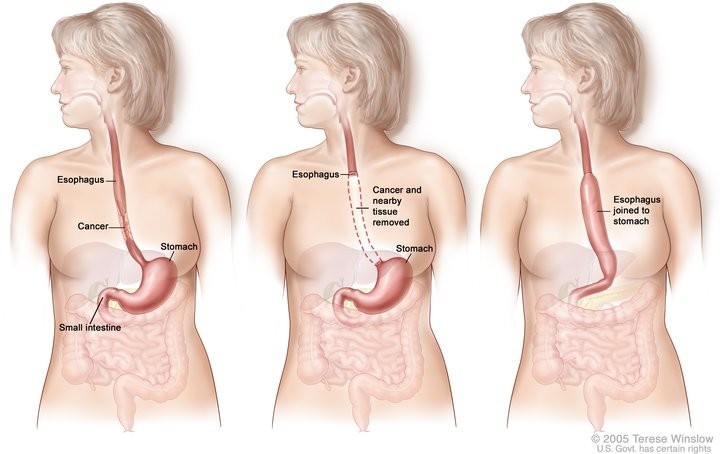
Three-panel drawing showing esophageal cancer surgery (National Cancer Institute)

Bradley Huth, MD

Olugbenga Olowokure, MD, specializes in gastrointestinal oncology.
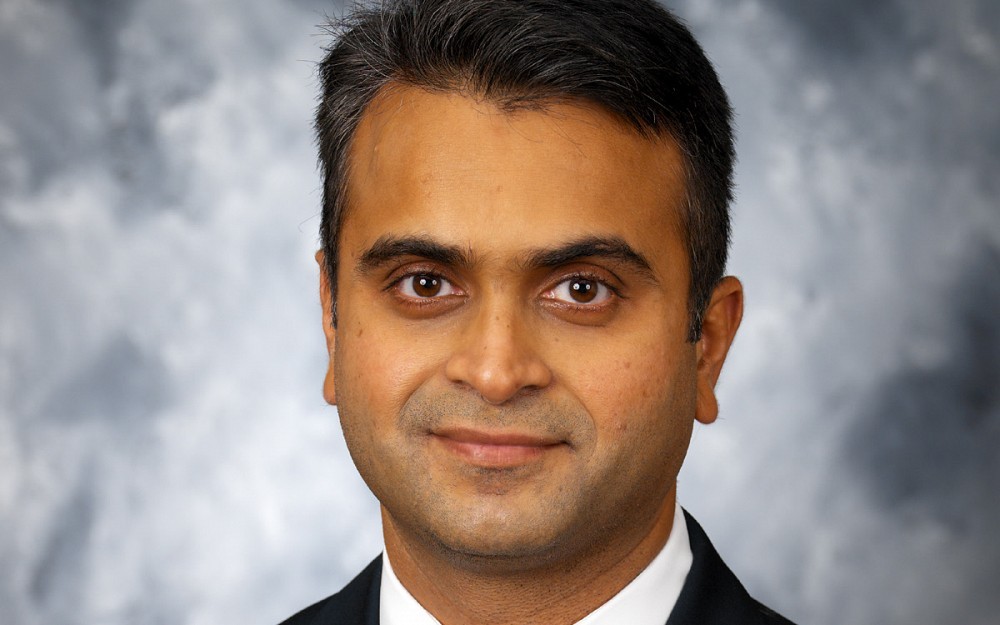
Syed Ahmad, MD

Sandra Starnes, MD, is chief of the thoracic surgery division for the UC College of Medicine Department of Surgery.
Tags
Related Stories
Cancer Center plays key role in lab research, clinical trials for new pancreatic cancer drug
September 1, 2026

WLWT and WCPO highlighted the contributions of University of Cincinnati Cancer Center researchers that helped lead to the recent FDA approval of daraxonrasib, a new treatment for pancreatic cancer.
Cancer Center physician receives $150,000 New Investigator Research Grant to study treatment-resistant leukemia
September 1, 2026
The University of Cincinnati Cancer Center’s Sarah Skuli, MD, PhD, received a two‑year, $150,000 Leukemia Research Foundation New Investigator Grant to study TP53‑mutated leukemia, a treatment‑resistant subtype with very poor outcomes.
Heavy social media use linked to depression
August 31, 2026

U.S. News and World Report, Yahoo! News, MSN, USA Today and other national media highlight a new study by the University of Cincinnati and Northwestern University that found a correlation between heavy social media use and depression in adults.