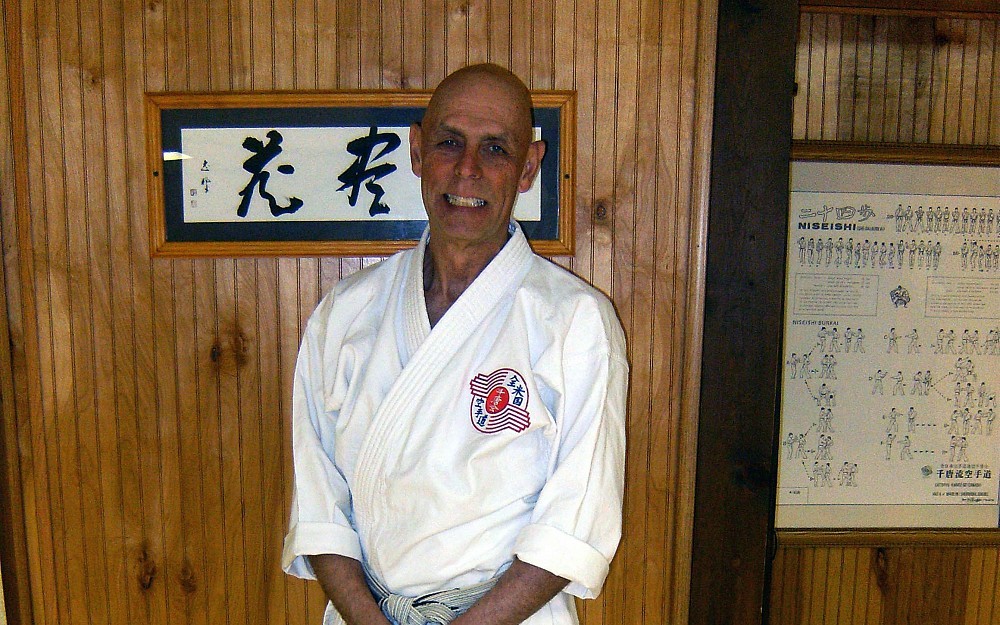
Patient Endures 'Seven Times Down; Eight Times Up' With Cancer Team Help

In 2012, Lawrenceburg, Indiana, resident Gerald "Jerry Beshears, now 65, was on track to run the Tough Mudderan endurance event series in which participants attempt 10- to 12-mile-long military-style obstacle courses over muddy terrain.
"I started training in January, and I was going to the gym, and Ive always been involved in martial arts so I continued with that, he says. "I dropped to about 185 pounds, but then I continued to lose weight, when I wasnt trying, and I began noticing that I was having difficulty swallowing. I thought it may just be acid reflux.
When difficulty swallowing continued, Beshears finally made an appointment to see his primary care physician and an endoscopy was scheduled. To his horror, a 9-centimeter tumor was discovered in his esophagus.
Beshears was referred to Kurt Leuenberger, MD, with Oncology Hematology Care, and was put on very aggressive chemotherapy and radiation therapy to try to shrink the tumor.
"During this treatment, I was referred to a surgical team at the Esophageal Disease Center within the UC Cancer Institute, which includes Syed Ahmad, who explained the procedure they were hoping to perform to remove the tumor, he says.
After weeks of treatment, Beshears went in for surgery in December 2012. He says what was originally thought to be a laparoscopic procedure, reducing the time of the surgery and avoiding the need to open the patient, turned into a nine-hour traditional surgery because it was discovered that the esophagus had melded to the aortic artery.
"It could have been very bad had a less talented team been working on me, he says, "but thanks to Dr. Ahmad, Dr. (Sandra) Starnes and a number of others, I was out of the hospital in 12 days and clear of cancer.
Beshears says it was a steady recovery and that it took a while to eat normally again.
"My wife, Joan, is a really good cook, so I was motivated, he laughed.
Beshears says all of his follow-up CT scans are showing no sign of cancer recurrence, and now, hes also back to doing martial arts again.
While he didnt get to participate in the Tough Mudder, he says its still on his bucket list, and he was visited by his Tough Mudder team who brought him a T-shirt.
"They told me they realized I had a different obstacle course to run, he says.
"I couldnt be happier with my treatment team, including Dr. Leuenberger, and Dr. Starnes and Dr. Ahmad were so supportive of me, he says. "My progress and rehabilitation were so good that when I went in for my checkup, Dr. Ahmad told me that I amazed him, which made me feel very good. With my background in martial arts, I did a lot of Qigong breathing during my treatment to help. I discovered that Dr. Starnes also had martial arts training, and we really shared a lot through that commonality.
"Theres a saying in martial arts, Seven times down; eight times up. That was my motto throughout my whole experience, and I gave a work of Japanese calligraphy with this saying to all my doctors as a way of telling them thanks for saving my life.
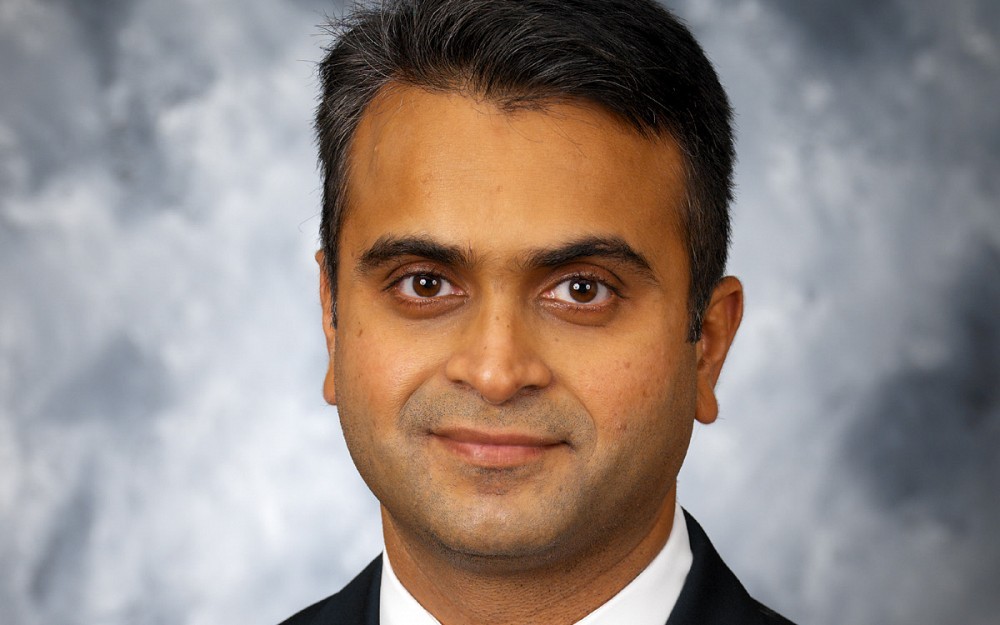
Syed Ahmad, MD
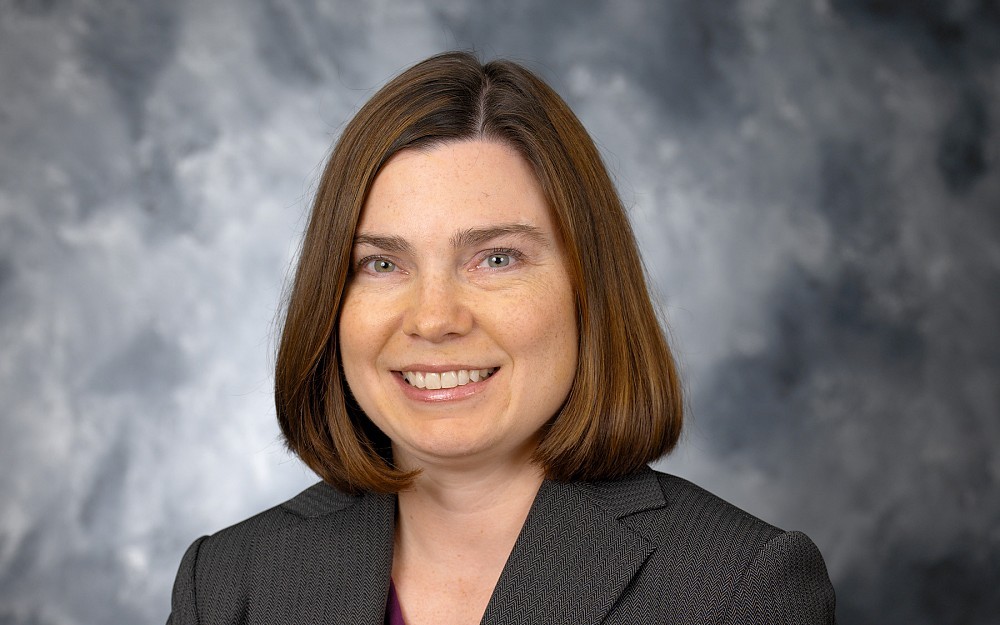
Sandra Starnes, MD, is chief of the thoracic surgery division for the UC College of Medicine Department of Surgery.
Tags
Related Stories
Heavy social media use linked to depression
August 31, 2026

U.S. News and World Report, Yahoo! News, MSN, USA Today and other national media highlight a new study by the University of Cincinnati and Northwestern University that found a correlation between heavy social media use and depression in adults.
On-site training in Speech & Hearing Clinic sets UC’s programs apart
August 27, 2026
At the University of Cincinnati’s Speech & Hearing Clinic, Doctor of Audiology and Speech-Language Pathology graduate students gain real-world experience while providing free speech and hearing services to the community.
Funding expands UC research into weight gain side effects of bipolar medication
August 26, 2026
University of Cincinnati researchers have been approved for funding by the Patient-Centered Outcomes Research Institute (PCORI) to expand the implementation of healthy lifestyle interventions and metformin prescription to help manage weight gain in overweight or obese youth taking second-generation antipsychotic medications.