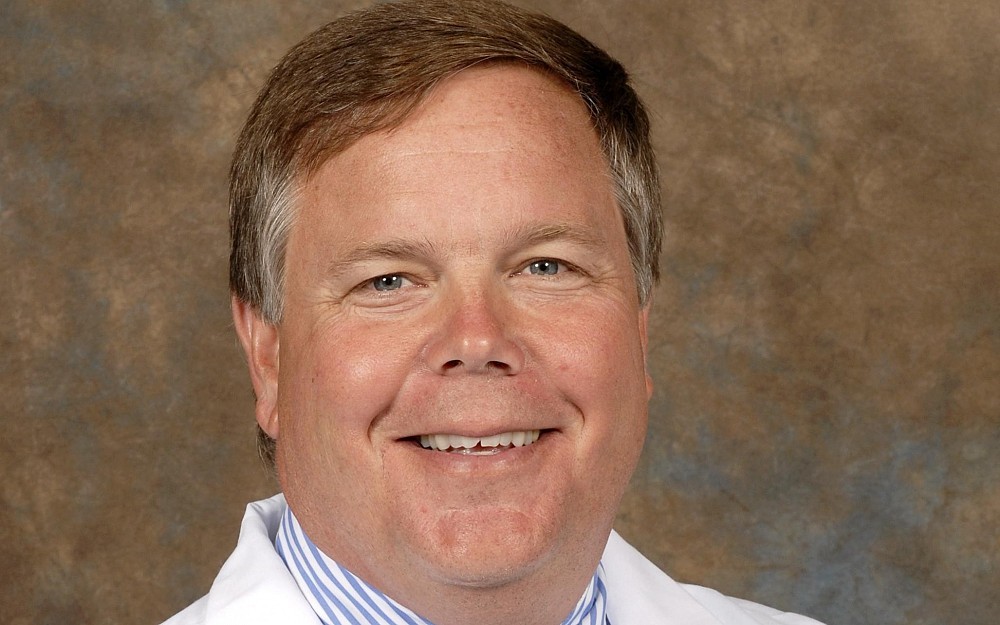
Ron Jaekle, MD, Addresses Pregnancy and Depression

Professor Ron Jaekle, MD, a UC Health maternal-fetal medicine specialist, responds to New York Times article "Women should be screened for depression during pregnancy and after giving birth, a key health panel says."

After every delivery, depression is the untalked about elephant in the room. Moms have just gone through nine months of being the center of attention, with the expectation of excitement and anticipation unequaled in adult experience. With the delivery of her child, she goes home and becomes invisible –  everyone comes to the house to see the baby, and frequently forgets to ask how she is doing. At the same time there are major physiology changes involving every organ system, creating opportunity for true physical depression. With family and friends focused on the baby and mom feeling guilty about feeling so blue it should not be surprising that depression is an unspoken medical problem.  At the University of Cincinnati Medical Center, for at least the last five years, it has been a cultural and systematic expectation that every mother be screened for depression and managed as needed at every post-partum visit. 

But depression isn’t just a problem post-partum. Everyone acknowledges the major physical challenges of the first trimester and how that can try a woman’s coping mechanisms. In the mid and early third trimester, pregnancy complications like pre-term labor, ruptured membranes and preeclampsia can result in unanticipated social isolation when mom is placed on bedrest. The impact on personal sense of worth, imposed by unsuccessful pregnancies should make depression not a surprising outcome.  

Highly effective medical systems have an integrated group of social workers and community liaisons to help moms deal with these challenges. The ultimate goal of good prenatal care is not only a healthy baby but also a healthy and functional mom.

The bottom line is that depression is not bad parenting, depression is a real medical illness. However, we know that left untreated, depression can result in bad parenting. 
 

Tags

Related Stories

1

Make Hoxworth Blood Center’s special holiday events part of your family celebrations this December

December 12, 2025

This December, Hoxworth Blood Center, University of Cincinnati, is inviting families across Greater Cincinnati to add something truly meaningful to their holiday traditions: giving the gift of life. With festive community events, beloved local partners and special thank-you gifts for donors, Hoxworth is making it easier, and more heartwarming than ever, to roll up your sleeves and help save lives close to home.

2

Ohio nurses weigh in on proposed federal loan rule

December 12, 2025

Spectrum News journalist Javari Burnett spoke with UC Dean Alicia Ribar and UC nursing students Megan Romero and Nevaeh Haskins about proposed new federal student loan rules. Romero and Haskins, both seniors, were filmed in the College of Nursing’s Simulation Lab.

3

New combination treatment improves multiple myeloma outcomes

December 11, 2025

The University of Cincinnati Cancer Center's Ed Faber, DO, provided commentary to Medscape on the COBRA study that found the combination of carfilzomib combined with lenalidomide and dexamethasone (KRd) shows significantly greater efficacy than the previous standard of care.