College of Nursing Student Encourages Others to be Blood Donors

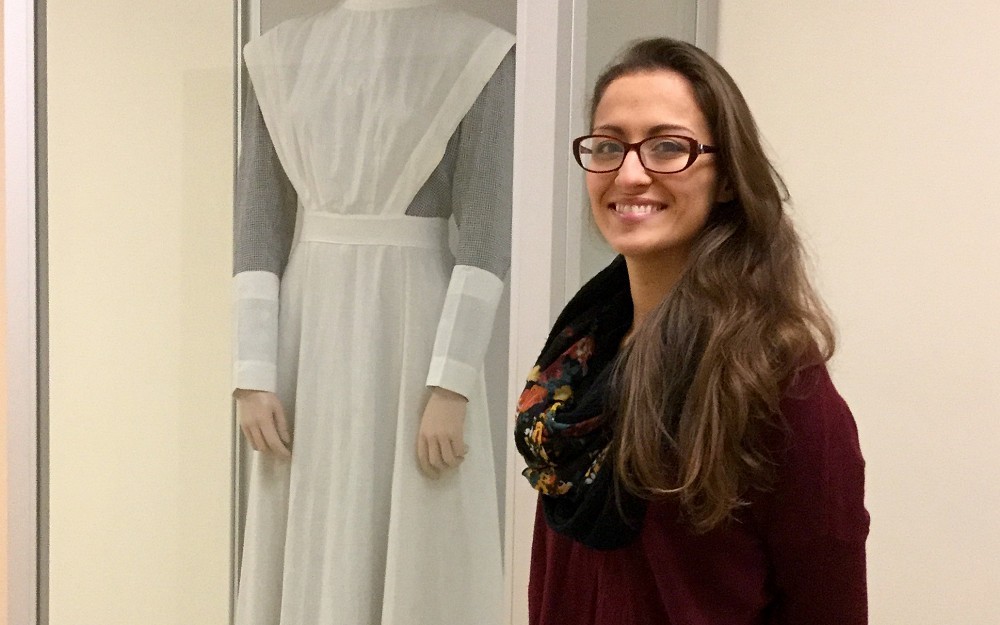
Illana Olden, a second year student in the University of Cincinnati (UC) College of Nursing, is a regular blood donor for several reasons.
"I have O+ blood, so that means 85 percent of the population can use my blood, because that is something that A+, B+, AB+ and O+ can use, she says. "Women tend to have lower iron levels, and sometimes my iron scores arent high enough for me to donate, but when they are, I donate.
Olden estimates that during her nearly two years as a College of Nursing student, she has donated blood six times. And she plans to donate again during the campus-wide blood drive next week.
"I dont think people realize that donating blood can actually be beneficial to your own health, she says when asked why she thinks more people dont donate blood regularly. "It can kind of detoxify your body.
Time is another factor for some would-be donors, and Olden says she certainly understands that. "I know for me personally, being a full time nursing student who also has two jobs and volunteers, having time to donate can be a major factor in whether or not I give blood, she says. "So I get that people sometimes just dont have the time.
Her volunteering takes place at the University of Cincinnati Open School, where she gets to sharpen her medical skills, by taking blood pressure readings and giving health screenings.
One of her two jobs has her working at CommuniCare of Clifton, a rehabilitation center providing post-acute care after surgeries. This gives her the chance to work in geriatric care, which is what she wants to specialize in as a nurse.
The UC all campus blood drive will be held at TUC in the Great Hall April 11 15, from 10:30 5:30 p.m. Appointments are encouraged. For more information, go to hoxworth.org/uc.

College of Nursing student Illana Olden donating blood at a Hoxworth Blood Drive
Tags
Related Stories
UC radiation oncologist speaks with Local 12 news about clinical trial for head and neck cancer treatment
August 10, 2026

Dr. Sara Medek, a UC radiation oncology professor, speaks with Local 12 news about a new clinical trial aimed at reducing radiation in certain areas while still treating cancer effectively but with fewer painful side effects.
Cancer Center director charts future based on collaboration, AI
August 10, 2026

David Gius, MD, PhD, was featured in a Cincinnati Business Courier article and The Cancer Letter’s “The Directors" podcast discussing his priorities and goals as he recently took the helm as director of the University of Cincinnati Cancer Center.
UC graduates cross finish line at commencement
August 7, 2026
The University of Cincinnati recognized 2,125 graduates in two ceremonies at summer commencement Friday on campus at Fifth Third Arena.