Study Shows Changes in Brain Activity After Mindfulness Therapy

CINCINNATI--Anxiety disorders are among the most common psychiatric conditions affecting children and adolescents. While antidepressants are frequently used to treat youth with anxiety disorders, sometimes, antidepressants may be poorly tolerated in children who are at high risk of developing bipolar disorder.
Researchers at the University of Cincinnati (UC) are studying how cognitive therapy that uses mindfulness techniques, such as meditation, quiet reflection and facilitator-led discussion, may serve as an adjunct to pharmacological treatments.
The study published in the Journal of Child and Adolescent Psychopharmacology, looked at brain imaging in youth before and after mindfulness based therapy and saw changes in brain regions that control emotional processing. It is part of a larger study by co-principal investigators Melissa DelBello, MD, Dr. Stanley and Mickey Kaplan Professor and Chair of the UC Department of Psychiatry and Behavioral Neuroscience, and Sian Cotton, PhD, associate professor of family and community medicine, director of the UCs Center for Integrative Health and Wellness, looking at the effectiveness of mindfulness-based therapy.
In a small group of youth identified with anxiety disorders (generalized, social and/or separation anxiety) and who have a parent with bipolar disorder, researchers evaluated the neurophysiology of mindfulness-based cognitive therapy in children who are considered at-risk for developing bipolar disorder.
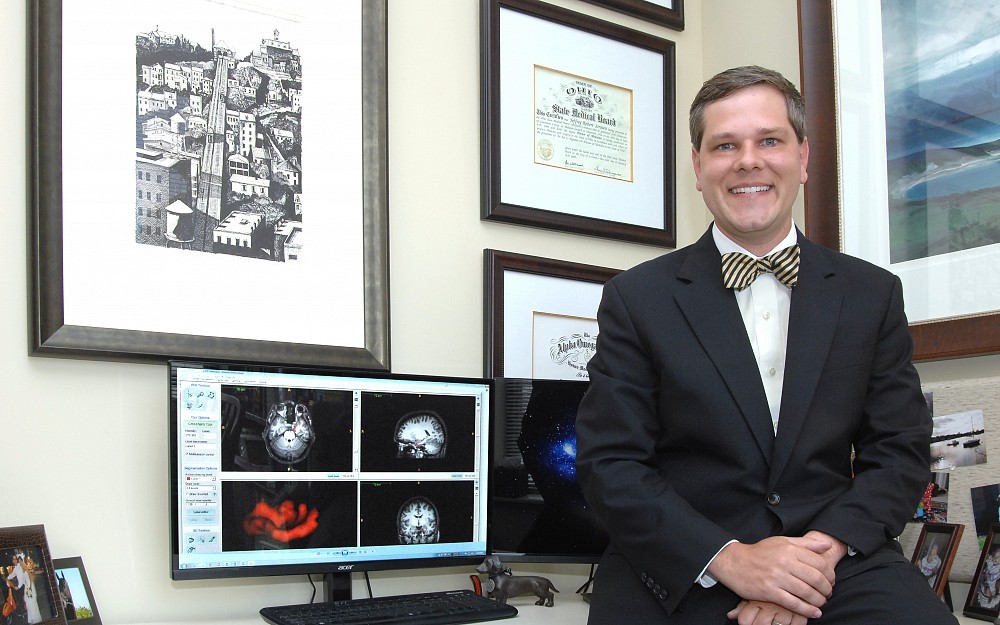
"Our preliminary observation that the mindfulness therapy increases activity in the part of the brain known as the cingulate, which processes cognitive and emotional information, is noteworthy, says Jeffrey Strawn, MD, associate professor in the Department of Psychiatry and Behavioral Neuroscience, director of the Anxiety Disorders Research Program and co-principal investigator on the study.
"This study, taken together with previous research, raises the possibility that treatment-related increases in brain activity [of the anterior cingulate cortex] during emotional processing may improve emotional processing in anxious youth who are at risk for developing bipolar disorder.
The studys findings in regard to increases in activity in the part of the brain known as the insula, the part of the brain responsible for monitoring and responding to the physiological condition of the body, are of high interest, Strawn adds.
In this pilot trial, nine participants ages 9 to 16 years, underwent functional magnetic resonance imaging (fMRI) while performing continuous performance tasks with emotional and neutral distractors prior to and following 12 weeks of mindful-based cognitive therapy.
"Mindfulness-based therapeutic interventions promote the use of meditative practices to increase present-moment awareness of conscious thoughts, feelings and body sensations in an effort to manage negative experiences more effectively, says Sian Cotton, PhD, an associate professor of family and community medicine at UC, director of the UCs Center for Integrative Health and Wellness and a co-author on the study. "These integrative approaches expand traditional treatments and offer new strategies for coping with psychological distress.
"Clinician-rated anxiety and youth-rated trait anxiety were significantly reduced following treatment; the increases in mindfulness were associated with decreases in anxiety. Increasingly, patients and families are asking for additional therapeutic options, in addition to traditional medication-based treatments, that have proven effectiveness for improved symptom reduction. Mindfulness-based therapies for mood disorders is one such example with promising evidence being studied and implemented at UC.
"The path from an initial understanding of the effects of psychotherapy on brain activity to the identification of markers of treatment response is a challenging one, and will require additional studies of specific aspects of emotional processing circuits, says Strawn.
The study was funded with support from the Cincinnati Center for Clinical and Translational Science and Training (CCCTST), the UC Department of Psychiatry and Behavioral Neuroscience and the UC Center for Integrative Health and Wellness. The authors cite no conflict of interest.

Sian Cotton, PhD, director of the UC Center for Integrative Health and Wellness
Tags
Related Stories
UC radiation oncologist speaks with Local 12 news about clinical trial for head and neck cancer treatment
August 10, 2026

Dr. Sara Medek, a UC radiation oncology professor, speaks with Local 12 news about a new clinical trial aimed at reducing radiation in certain areas while still treating cancer effectively but with fewer painful side effects.
Cancer Center director charts future based on collaboration, AI
August 10, 2026

David Gius, MD, PhD, was featured in a Cincinnati Business Courier article and The Cancer Letter’s “The Directors" podcast discussing his priorities and goals as he recently took the helm as director of the University of Cincinnati Cancer Center.
Bidirectional link between oral, kidney health calls for patient education, access
August 4, 2026

Despite growing awareness of the connection between oral health and chronic health conditions, patient awareness and access to dental care remain limited, according to University of Cincinnati experts who recently spoke with Healio | Nephrology News & Issues.