New Outpatient Treatment Option at UC for Substance Abuse Disorders

A new intensive outpatient program (IOP) for individuals with substance use disorders rolls out this fall from the Addictions Sciences Division in the Department of Psychiatry and Behavioral Neurosciences at the University of Cincinnati College of Medicine. The UC Health facility is anticipated to open at the end of this month.
UC has provided evidence-based treatment for substance use disorders since 2011. Now, the establishment of an IOP will address what the team had identified as a critical gap in their continuum of care options.
"Our program has traditionally focused on treating opioid use disorder in either our methadone or buprenorphine clinics. The IOP will expand both the clinical services offered and the clinical populations served, says Theresa Winhusen, PhD, professor of psychiatry, associate vice chair and director of the Addiction Sciences Division.
"Addiction treatments are usually provided on a continuum, says Christine Wilder, MD, assistant professor and clinical director, Addiction Sciences Division, Department of Psychiatry and Behavioral Neuroscience. "There are people who come in infrequentlyfor maintenance, doing their groups, doing their relapse prevention, and then, you have people who need to be in an inpatient, hospitalized or residential facility on the other end. The idea is that this (IOP) is sort of the step between someone having to go to a residential treatment facility or just doing regular outpatient treatment. Its an option between those two.
An IOP typically involves three to four days of treatment a week, for a minimum of three hours per day. "There are a lot of group-based interventions; theres education and teaching about relapse prevention, building skillswhat to do differently to keep yourself from usingand also individual meetings with a counselor and with a physician, Wilder says.
The IOP program will have two tracks: an evening program for people with substance use disorders and another program that will run during the day for people with co-occurring disorders, that is, those with substance use disorders and diagnosed mental illness.
"Sometimes, the thought of an inpatient or residential treatment program can be a barrier for people, thinking, Well, I cant take eight weeks off of work to get treatment, so this makes the evening track an option for people who work during the day, Wilder says. "An estimated 8 million adults in the U.S. have co-occurring mental health and substance use disorders, and treatment options for these individuals tend to be limited. The day program should help address an important treatment need in our community, says Winhusen.
The IOP is a time-limited programsix to eight week intensive and then another six to eight week stepdown, followed by transition into ongoing outpatient services. "As they are doing better, patients will move down to less intensive treatment, Wilder says. She anticipates they can have about 20 patients enrolled in the intensive program at one time.
The program will have dedicated suite space in the same facility as the current clinics on Harvey Ave., and there will be additional staffing to support the program: medical assistants, social workers and community support staff who work with patients through common barriers like job training, disability paperwork and overall work/life balance.
Other programs that the Addiction Sciences Division offers include a perinatal clinic for pregnant or new mothers with opiate addiction seeking treatment.
Additionally, the division has dedicated space and resources for ongoing research, including clinical trials for nicotine, cocaine and opioid use disorders. "We are very focused on evidence-based approaches working to integrate research and clinical practice. We are co-located, in part, for that purpose, Winhusen says. "Thats where UC is unique, in being focused on developing, testing and utilizing evidence-based treatments.
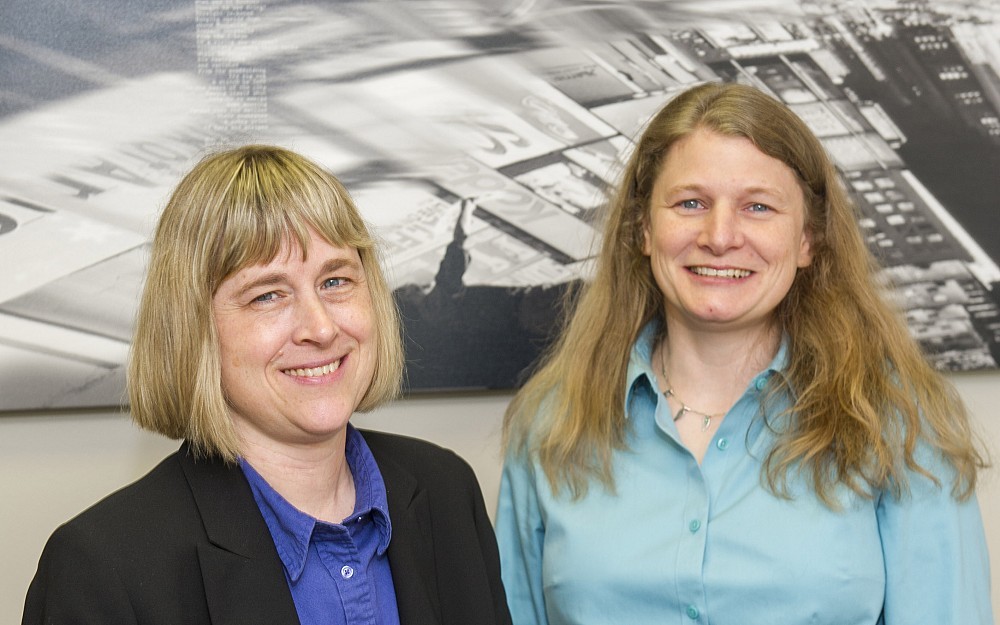
The UC Addiction Sciences team, directed by Winhusen, includes Wilder as well as Daniel Bebo, MD, assistant professor; Jennifer Brown, PhD, associate professor; LaTrice Montgomery, PhD, assistant professor; Anne Autry, MD, staff physician; and licensed social workers Roxana Holland and Kristie Pressler.
Of the new program rollout, Wilder says, "We will have a more expanded clinical focus than we have had in the past, and I think its really, really good because its extremely needed in this community. Theres a terrible epidemic going on.
For more information about treatment options available at UC, call (513) 585-8227.
Related Stories
UC structural biologists are first in world to visualize key cell protein
May 22, 2026
University of Cincinnati College of Medicine structural biologists are the first in the world to visualize a key cell protein as part of recently published research in the journal Cell Reports.
6 ways starting a GLP-1 medication could affect your emotions
May 20, 2026

When patients first start taking a glucagon-like peptide-1 (GLP-1) medication, they probably expect to feel full. But they might not anticipate how it can influence their emotions. The medications act on the stomach and the brain, said Malti Vij, MD, a University of Cincinnati adjunct associate professor in the College of Medicine's Department of Internal Medicine and a diplomate of the American Board of Obesity Medicine.
UC researchers recruit older adults for extreme heat health study
May 20, 2026
The University of Cincinnati’s Center for Collaboration on Climate & Community for Health (C4H) is recruiting older adults to participate in a study tracking their health during periods of extreme summer heat.