CF Patients and Docs Use Shared Decision-Making Tool to Determine Regimens

Physician-researchers at the University of Cincinnati have developed a computerized decision-making model to promote shared decision-making with cystic fibrosis patients. The tool takes into account patients preferences for measures of lung function and health along with the latest medical evidence for effective treatment to help patients prioritize home treatments.
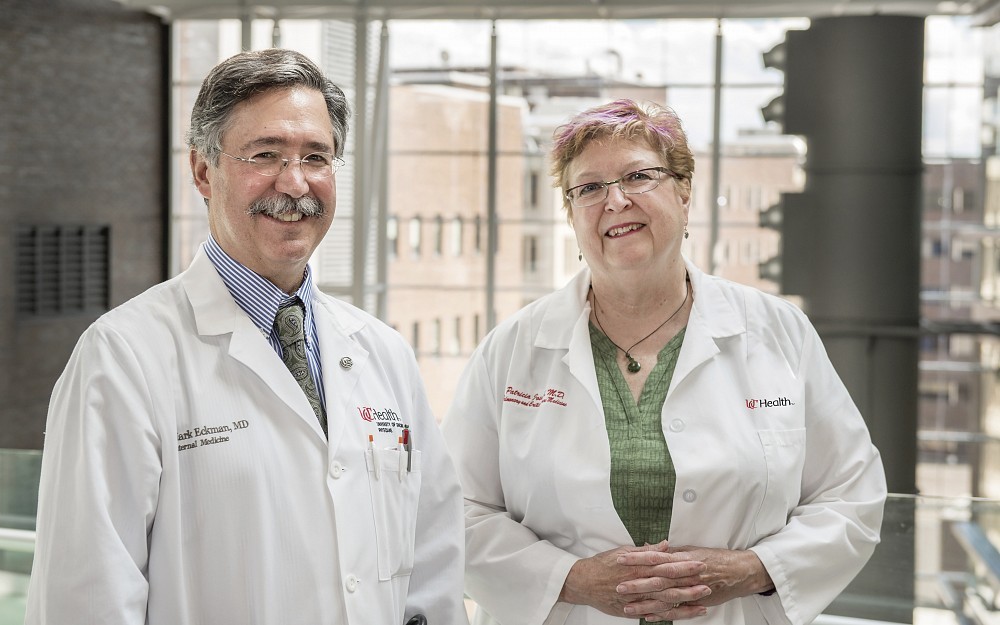
Mark Eckman, MD, Posey Professor of Clinical Medicine and director of the UC Division of General Internal Medicine, says a field study of 21 cystic fibrosis patients, ages 20 to 66, was performed to determine acceptability, understandability and ease of use.
"Patients found the tool easy to understand and felt engaged as active participants in their care, says Eckman, the studys lead author, who is also a UC Health physician. "The tool was responsive to variations in patient preferences.
The study is now available in the scholarly journal Medical Decision Making Policy & Practice.
Cystic Fibrosis (CF) is a progressive, genetic disease that causes persistent lung infections and limits the ability to breathe over time, according to the Cystic Fibrosis Foundation. A defective gene causes a thick buildup of mucus in the lungs, pancreas and other organs. More than 30,000 people in the United States are living with the disease. Individuals affected have median life expectancy of 40.7 years.
Participants in the study were asked what they considered the most important goals of home therapy for treating CF and once determined they were asked to rate on a scale of one to nine the following options: preventing lung infection, improving breathing function, improving functionality and feeling of well-being, minimizing time required daily to complete all treatments and interventions and minimizing cost.
Researchers also determined which home treatment alternatives were considered the most important based on medical and scientific literature and input from patients. They complied the following list: inhaled dornase alfa, inhaled antibiotics, inhaled hypertonic saline, airway clearance and exercise. Again, patients were given a chance to rank their preferences of treatments.
Patricia Joseph, MD, director of the Adult Cystic Fibrosis Program at UC Medical Center, says CF patients on average spend anywhere from 1 ½ to 2 hours each day completing home therapies.
"When therapies come up we discuss risks and benefits and I have a lot of patients say Yeah, but I am not doing that. They say, I dont like the drug, it makes me wheezy or Exercise, it takes too much time and doesnt really help me very much, says Joseph, a co-author in the study.
"What this tool does that is different is that it takes their preferences and their personal experiences with the therapies along with their personal goals for care and integrates them to help prioritize their own home care plan which therapies best fit their personal goals, explains Joseph, who is also a professor in the UC Division of Pulmonary, Critical Care and Sleep Medicine.
Some patients cant always do all of the home therapies each day. "We are asking them to do therapies they may not feel are beneficial, says Joseph. "The tool gets their preferences and values and helps them prioritize their best home treatment plan.
Personalized data for a patients goals and treatment preferences are entered into a computational framework known as the Analytic Hierarchy Process (AHP). The system assigns weights to these preferences and combines them with quantitative data on treatment efficacy, costs and time estimates to come up with a score for each of the treatment alternatives, explains Eckman.
Currently, the analytic system uses a Microsoft Excel spreadsheet model but Eckman says he hopes to make the tool available via an electronic tablet patients can use to input their own data and tabulate results immediately so physicians and patients can discuss these on the same day. Right now patient information is entered via paper surveys and then transferred to the computer model.
Eckman says the next step is to perform a randomized clinical trial to evaluate the impact doctor visits facilitated by the CF-Shared Decision Making Tool compared to visits that dont employ this technique.
Other co-authors of the study include Elizabeth Kopras, Karen Montag-Leifling, Lari Kirby, and Lisa Burns, MD, assistant professor in the Department of Pediatrics, along with Veronica Indihar, MD, assistant professor in the Department of Internal Medicine.
Funding for the study was provided by the Cystic Fibrosis Foundation and the National Institutes of Health.
Tags
Related Stories
UC radiation oncologist speaks with Local 12 news about clinical trial for head and neck cancer treatment
August 10, 2026

Dr. Sara Medek, a UC radiation oncology professor, speaks with Local 12 news about a new clinical trial aimed at reducing radiation in certain areas while still treating cancer effectively but with fewer painful side effects.
Cancer Center director charts future based on collaboration, AI
August 10, 2026

David Gius, MD, PhD, was featured in a Cincinnati Business Courier article and The Cancer Letter’s “The Directors" podcast discussing his priorities and goals as he recently took the helm as director of the University of Cincinnati Cancer Center.
Bidirectional link between oral, kidney health calls for patient education, access
August 4, 2026

Despite growing awareness of the connection between oral health and chronic health conditions, patient awareness and access to dental care remain limited, according to University of Cincinnati experts who recently spoke with Healio | Nephrology News & Issues.