UC dean joins national STEM faculty leadership diversity program
IAspire academy helps faculty from underrepresented backgrounds ascend to senior roles


Whitney Gaskins was named a fellow in the second cohort of the IAspire Leadership Academy. Photo/Provided.
Whitney Gaskins, PhD, assistant dean of Inclusive Excellence and Community Engagement in the University of Cincinnati College of Engineering and Applied Science, was today named a fellow in the second cohort of the IAspire Leadership Academy, a leadership program aimed at helping STEM faculty from underrepresented backgrounds ascend to leadership roles at colleges and universities.
The IAspire Leadership Academy is part of Aspire Alliance’s Institutional Change Initiative, led by the Association of Public and Land-grant Universities (APLU) and the University of Georgia.
“The University of Cincinnati is so fortunate to have Dr. Whitney Gaskins as a faculty member and assistant dean of inclusive excellence and community engagement within the College of Engineering and Applied Science,” said John Weidner, Ph.D., dean of the College of Engineering and Applied Science at the University of Cincinnati. “Her work, including being named a fellow in the iAspire Leadership Academy, is critical to our future as a college.”
“The second cohort of IAspire Leadership Academy fellows represent a broad diversity of STEM fields and leadership experiences across higher education sectors,” said Howard Gobstein, Director of the Aspire Alliance and Executive Vice President at the Association of Public and Land-grant Universities (APLU). “More inclusive college and university cultures require diversity in faculty and university leadership, and this academy helps to support the next generation of university faculty and leaders.”
“It is an honor to provide this leadership development opportunity to so many current and rising leaders from across the country,” said Rochelle Sapp, IAspire Leadership Academy Director and Leadership Development Specialist in the Office of Learning and Organizational Development at the University of Georgia. “Advancing diverse and under-represented groups of leaders in STEM higher education is critical, especially providing the rare opportunity for them to focus on their own personal development. If we can grow and develop these individuals, the impact they will have in their disciplines and at their institutions will go even further to address the critical need we see in broadening participation in STEM higher education.”

Aspire seeks to develop inclusive and diverse STEM faculty across the nation.
The academy is one pillar of diversity and inclusion work underway through the Aspire Alliance (formally known as the National Alliance for Inclusive & Diverse STEM Faculty). The National Science Foundation-backed alliance is working across post-secondary institutions to develop more inclusive institutional cultures supporting the access and success of all undergraduate STEM students, especially those from underrepresented groups.
The leadership academy provides professional development for academic leaders from underrepresented groups so they can aspire to and succeed in more senior leadership roles, thus broadening participation in academic leadership. Fellows will learn effective executive leadership skills for increasingly complex higher education environments as well as strategies for influencing institutional transformation in their current and future leadership positions.
The academy is targeted at mid-career individuals from traditionally underrepresented groups interested in serving in college or university leadership roles in STEM fields. The 24 participating faculty and administrators were selected through a competitive, blind holistic review of their applications.
Learn more about the IAspire Leadership Academy on the Aspire Alliance IAspire Leadership Academy site. Additionally, the Institutional Change Network is now accepting applications for the third cohort of institutions wishing to engage in a three-year systemic transformation process to develop a more inclusive and diverse STEM faculty. Applicants can join the IChange Network online.
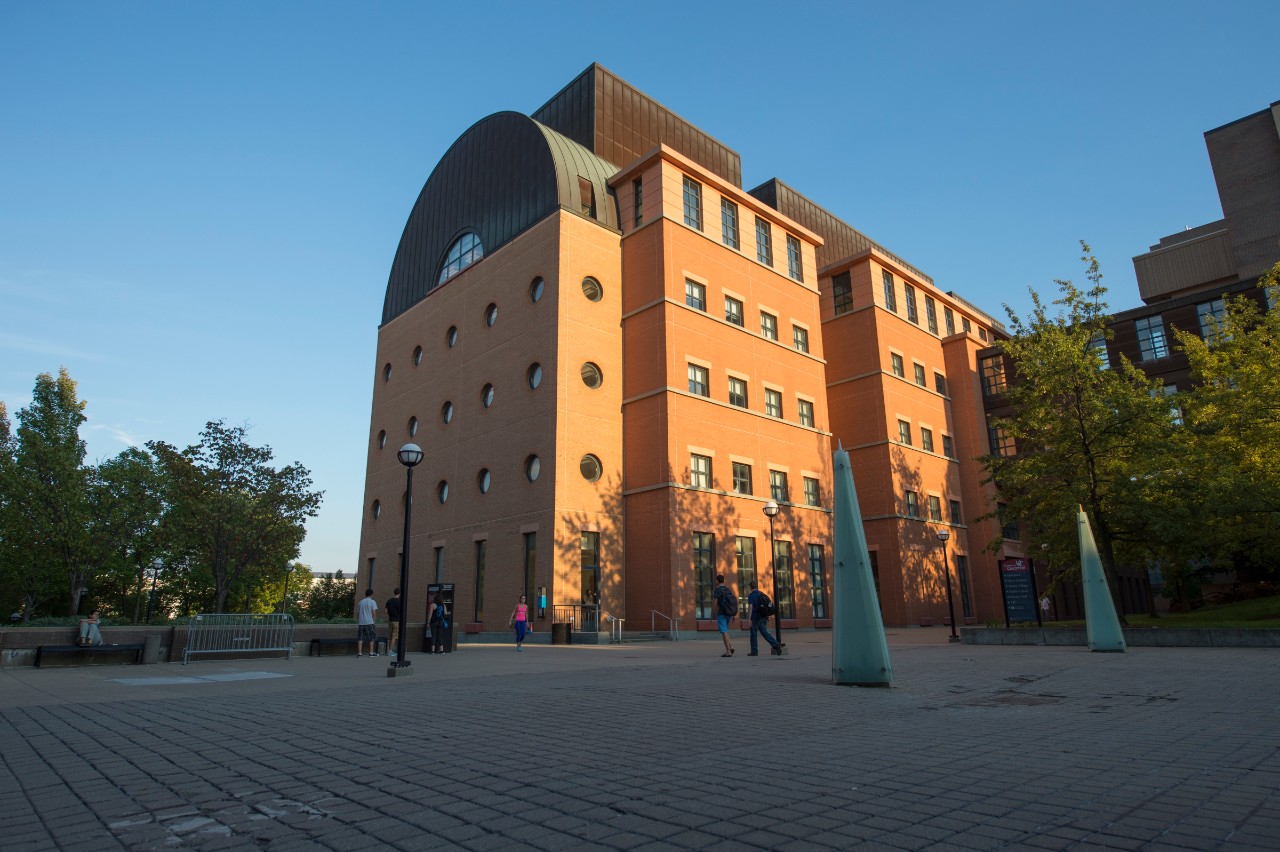
Featured image at top: The Engineering Research Center. Photo/UC Creative Services.
Related Stories
Everyday guide to AI prompt engineering
August 5, 2026
Prompt engineering can be the difference between strong and poor AI outputs. Success comes from explaining your end goal, breaking down large requests and carefully checking for errors.
Bidirectional link between oral, kidney health calls for patient education, access
August 4, 2026

Despite growing awareness of the connection between oral health and chronic health conditions, patient awareness and access to dental care remain limited, according to University of Cincinnati experts who recently spoke with Healio | Nephrology News & Issues.
'Be human in it': UC College of Medicine welcomes Class of 2030 at 31st White Coat Ceremony
August 4, 2026
The University of Cincinnati College of Medicine welcomed 185 first-year medical students in the Class of 2030 at the 31st annual White Coat Ceremony.