UC study: Pregnancy in kidney transplant recipients increases risk of preeclampsia, cesarean section
Analysis finds pregnant kidney transplant recipients see higher rates of adverse outcomes than the general U.S. population

Pregnancy in kidney transplant recipients is associated with adverse outcomes, according to new research from the University of Cincinnati (UC). The study, published online in the Jan. 23, 2019 edition of BMC Nephrology, finds that pregnancy in kidney transplant recipients is associated with higher risk of adverse maternal and fetal outcomes.
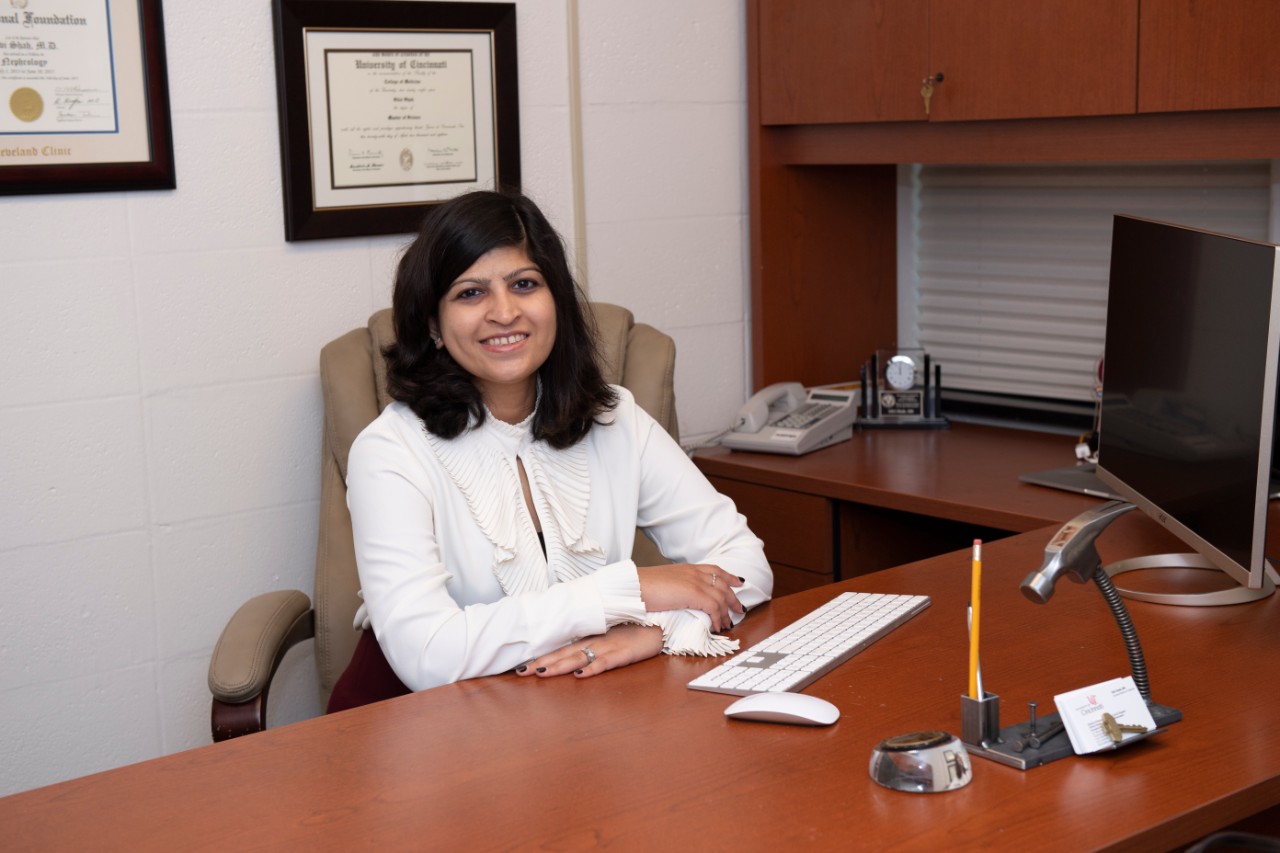
“Given that pregnancy in kidney transplant recipients can be challenging due to risks associated with immunosuppression and kidney allograft dysfunction, our study focused on pregnancy outcomes in women of child-bearing age who are kidney transplant recipients,” says Silvi Shah, MD, assistant professor, Division of Nephrology, Kidney CARE Program at the UC College of Medicine, and lead author of the study.
The study showed significant higher rates of cesarean section (62.6 percent), preeclampsia (21.5 percent) and ectopic pregnancy (2.4 percent) in kidney transplant recipients as compared to the U.S. general population.
Shah and her team analyzed 87 studies that included 6,712 pregnancies in 4,174 kidney transplant recipients. A quantitative meta-analysis was performed, and the pooled incidence of various maternal and fetal pregnancy outcomes was calculated.
“Reproductive function in women with end stage kidney disease generally improves after kidney transplant,” says Shah. “What our study findings tell us is that pregnancy in kidney transplant recipients is associated with higher risk of adverse maternal outcomes. We have to consider these associated risks when we counsel women of child-bearing age with kidney transplant who are contemplating pregnancy.”
In regard to the fetal outcomes, the study showed higher rates of preterm births, still births (5.1 percent), and neonatal mortality (3.8 percent) in kidney transplant recipients as compared with national data in general population. The mean gestational age for newborns was 34.9 weeks (U.S. mean, 38.7 weeks) and the mean birth weight was 2,470 grams, or just less than five and a half pounds (U.S. mean, 3,389 grams or just less than seven and a half pounds).
“It’s very important when a woman who has a kidney transplant gets pregnant, she is followed by a multi-disciplinary team, including a gynecologist, a nephrologist and a neonatologist working together through the pregnancy,” says Shah.
The study was supported by the UC College of Medicine Health Sciences Library Grant. The other co-authors of the study include Tiffany Grant, PhD, and Emily Kean from UC’s Donald C. Harrison Health Sciences Library; Prasoon Verma, MD, from Cincinnati Children’s; Renganathan Lalgudi Venkatesan, Ayank Gupta and Maitrik Sanghavi from Lindner College of Business; Richard Johansen from UC Libraries; Anu Gupta, MD, from Buffalo Medical Group; and Taranpreet Kaur, MD, from the Division of Nephrology, Kidney CARE Program and Jeffrey Welge, PhD, Department of Psychiatry and Behavioral Neuroscience, both in the UC College of Medicine.
Additional Contacts
Related Stories
This September, give blood for local patients fighting cancer and sickle cell disease
September 18, 2026
September is dedicated to raising awareness of several serious diseases, including sickle cell disease and childhood cancer. For patients in Greater Cincinnati fighting these diseases, awareness is only part of the equation. They also need lifesaving blood products.
UC emergency medicine physicians safely eliminate thousands of unnecessary CT scans
September 18, 2026
A University of Cincinnati emergency medicine quality improvement campaign avoids 3,500-plus head and cervical spine CT scans, saving $6.2 million in patient charges, more than 14,000 hours of waiting time and significant radiation exposure with no patient harm.
University of Cincinnati and Hamilton County work to lower overdose deaths
September 17, 2026

University of Cincinnati researchers and Hamilton County officials are using overdose data to identify Cincinnati hot spots and place free NaloxBoxes and fentanyl test strip dispensers where they are needed most to help prevent opioid overdose deaths.