International media reports on thirdhand smoke research
Researchers find that stepping outside to smoke, or smoking in a room away from the kids, doesn’t prevent exposure

Recently published research by University of Cincinnati professors with the College of Medicine and the School of Human Services has gained worldwide attention.
Cincinnati Children's attending physician Melinda Mahabee-Gittens and UC assistant professor Ashley Merianos found that not smoking around children doesn’t stop the children of smokers from being exposed to nicotine. They also found that that higher levels of exposure to tobacco smoke residue — which likely includes carcinogenic tobacco-specific nitrosamines — may be linked to respiratory problems.
Media coverage

Photo courtesy FiveAA (Australian Radio)
Their findings earned media coverage from news outlets in the United States, Asia, and Australia.
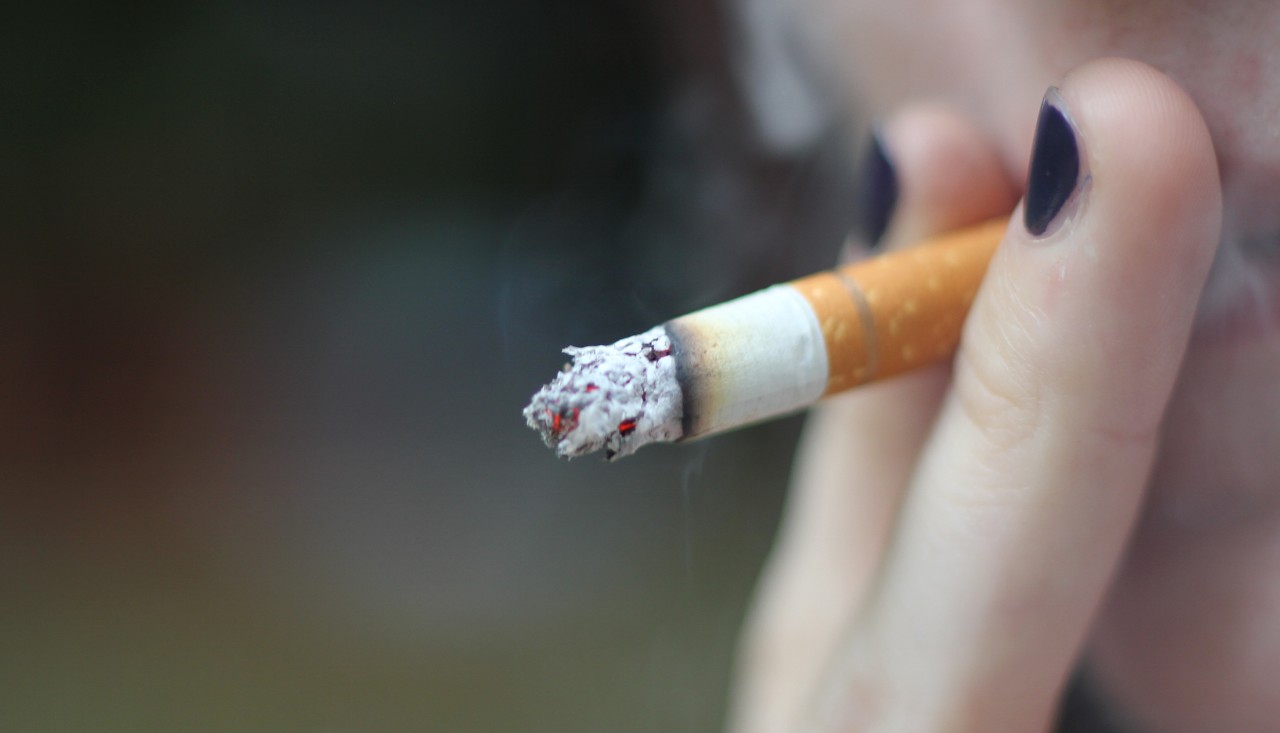
Image at top: photo by Julie Bocchino/Creative Commons
Next Lives Here
The University of Cincinnati is classified as a Research I institution by the Carnegie Commission, and is ranked in the National Science Foundation's top 35 public research universities. UC's graduate students and faculty investigate problems and innovate solutions with real-world impact. Next Lives Here.
Related Stories
President Pinto’s 2nd glow party brings first-year Bearcats together
September 20, 2026
UC President Neville Pinto and team hosted the second annual Bright Beginnings glow party for first-year students
How phone scammers use your own voice against you
September 18, 2026

The Wall Street Journal recently did a deep dive on how artificial intelligence is making scamming people over the phone much easier, citing research by Kimberly Hyun, assistant professor of marketing at UC’s Lindner College of Business.
Gas prices spike... Again
September 18, 2026

UC economist Gary Painter goes through the tactics companies use to keep their consumer bases amid rising oil costs.
This September, give blood for local patients fighting cancer and sickle cell disease
September 18, 2026
September is dedicated to raising awareness of several serious diseases, including sickle cell disease and childhood cancer. For patients in Greater Cincinnati fighting these diseases, awareness is only part of the equation. They also need lifesaving blood products.
UC emergency medicine physicians safely eliminate thousands of unnecessary CT scans
September 18, 2026
A University of Cincinnati emergency medicine quality improvement campaign avoids 3,500-plus head and cervical spine CT scans, saving $6.2 million in patient charges, more than 14,000 hours of waiting time and significant radiation exposure with no patient harm.
University of Cincinnati and Hamilton County work to lower overdose deaths
September 17, 2026

University of Cincinnati researchers and Hamilton County officials are using overdose data to identify Cincinnati hot spots and place free NaloxBoxes and fentanyl test strip dispensers where they are needed most to help prevent opioid overdose deaths.