Science News features UC researcher on youth anxiety
Jeffrey Strawn, MD, among experts looking at therapies for young brains

The latest issue of Science News looks at anxiety in preschoolers and features the comments of psychiatrist Jeffrey Strawn, MD, an associate professor in the College of Medicine and director of UC's Anxiety Disorders Research Program.
The article estimates that 10 to 20% of U.S. preschoolers suffer from one of several anxiety disorders.
While Strawn doesn't advocate medication for all anxious kids, he says in difficult cases, medication can be appropriate for even younger children.
Strawn's recent research examines common medications prescribed for children and adolescents with anxiety disorders, to determine which are the most effective and best-tolerated.
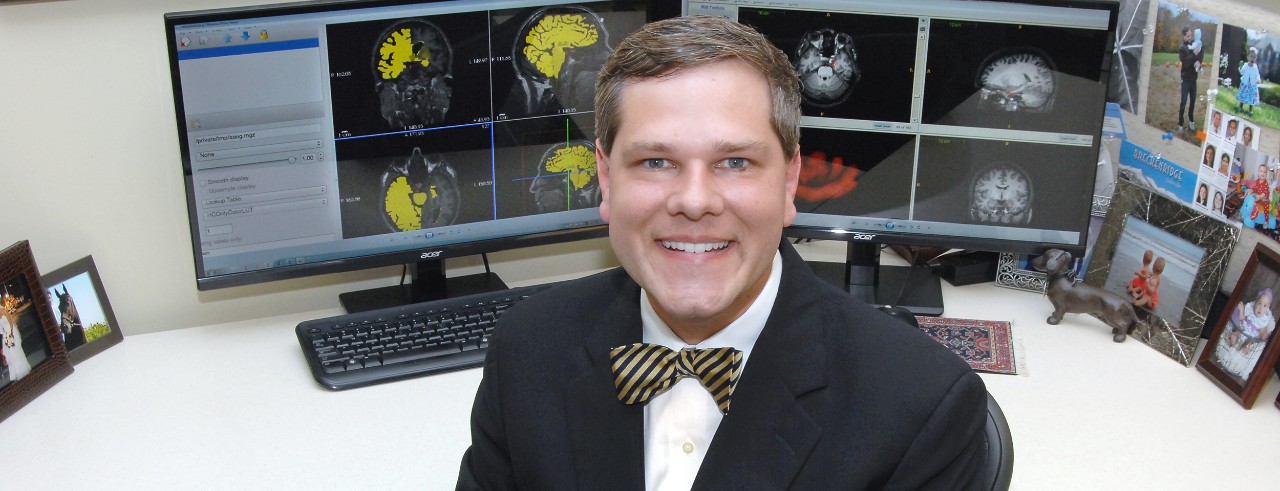
Featured image: Jeffrey Strawn, MD, associate professor of psychiatry and pediatrics. Photo / AHC Communication Services.
Related Stories
Emeriti professors make $1 million gift to UC’s College of Medicine
April 28, 2026
Henry A. Nasrallah’s life’s work has been focused on helping others. His vocation as a psychiatrist, researcher and educator is closely intertwined with his personal commitment to philanthropy, reflecting a deep dedication to improving psychiatric care, particularly by advancing research in neurobiology and treatments for schizophrenia and related disorders.
How to help your empath child handle their big feelings
April 13, 2026

The University of Cincinnati's Shana Feibel, DO, was featured in a Parents magazine article discussing how to help your child who is an empath manage their big feelings.
Could GLP-1s help curb the opioid crisis?
April 1, 2026

The University of Cincinnati's John Winhusen was featured in a Rolling Stone article discussing the potential for GLP-1s to treat substance abuse disorders.