WKRC-TV, Local 12: Building a better doctor day 1
College of Medicine, UC Medical Center prep newest physicians

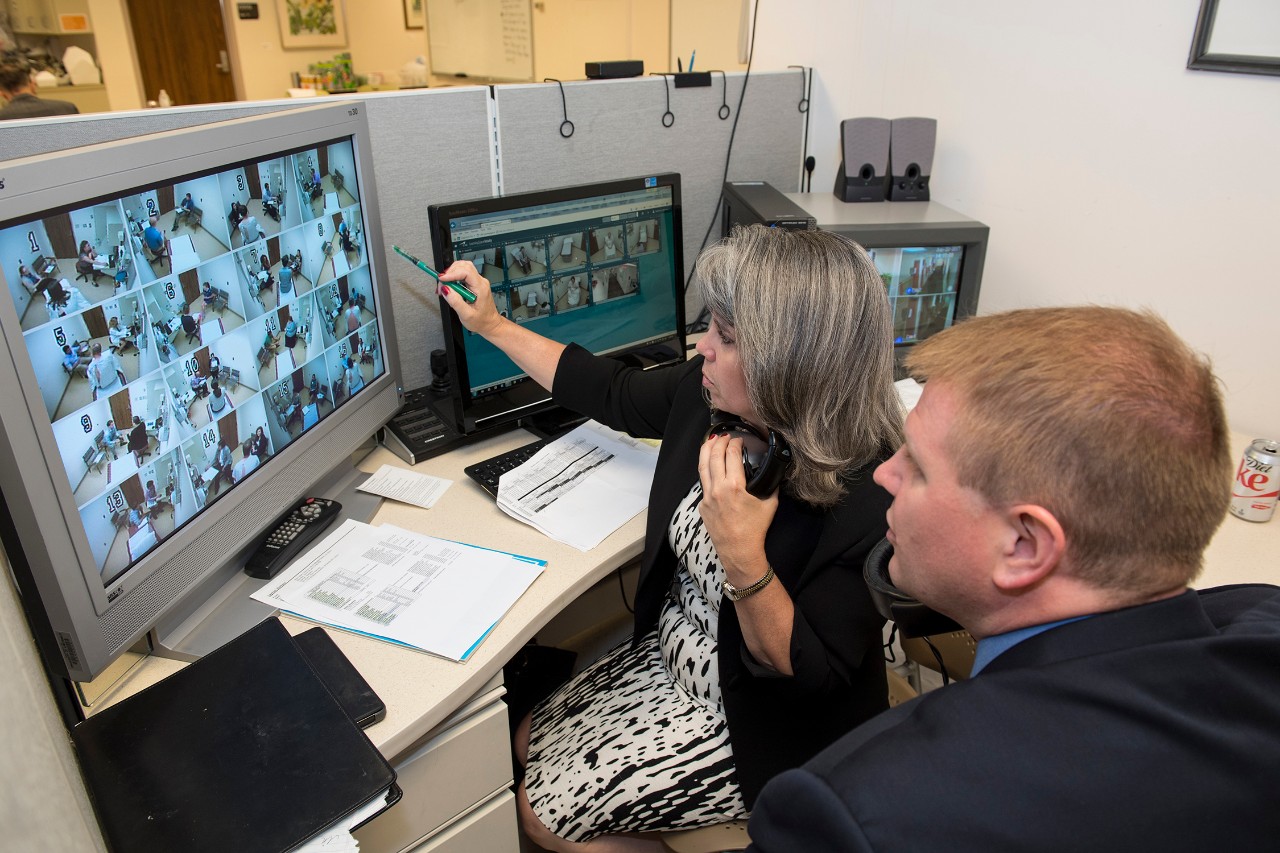
The University of Cincinnati College of Medicine and UC Medical Center are invested in building a better doctor from Day 1. Residents, their newest physicians, will spend this week in what is part refresher course and part assessment known as BRACK (Baseline Resident Assessment of Clinical Knowledge). Veteran physician-faculty gauge the new doctors’ skills at performing a host of tasks from recognizing and treating a critically ill patient to getting an IV going, conducting a physical exam to drawing blood and suturing.
UC and UC Medical Center are pioneers when it comes to this level of physician assessment and have used BRACK for the past eight years. It’s all about strengthening patient care and safety and creating the next generation of highly-skilled physicians.
BRACK co-principal investigators, Paul Wojciechowski, MD, associate professor in the UC College of Medicine and UC Health anesthesiologist, and Amy Bunger, PhD, adjunct assistant professor in the UC College of Allied Health Sciences, educated the public on BRACK with a segment on WKRC-TV, Local 12.
Related Stories
President Pinto’s 2nd glow party brings first-year Bearcats together
September 20, 2026
UC President Neville Pinto and team hosted the second annual Bright Beginnings glow party for first-year students
UC Blue Ash to host two fall open houses
September 18, 2026
The University of Cincinnati Blue Ash College will host its fall open houses on Thursday, Oct. 15 and Thursday, Nov. 5. Both events will be from 5-7 p.m. in Muntz Hall on the UC Blue Ash campus.
This September, give blood for local patients fighting cancer and sickle cell disease
September 18, 2026
September is dedicated to raising awareness of several serious diseases, including sickle cell disease and childhood cancer. For patients in Greater Cincinnati fighting these diseases, awareness is only part of the equation. They also need lifesaving blood products.