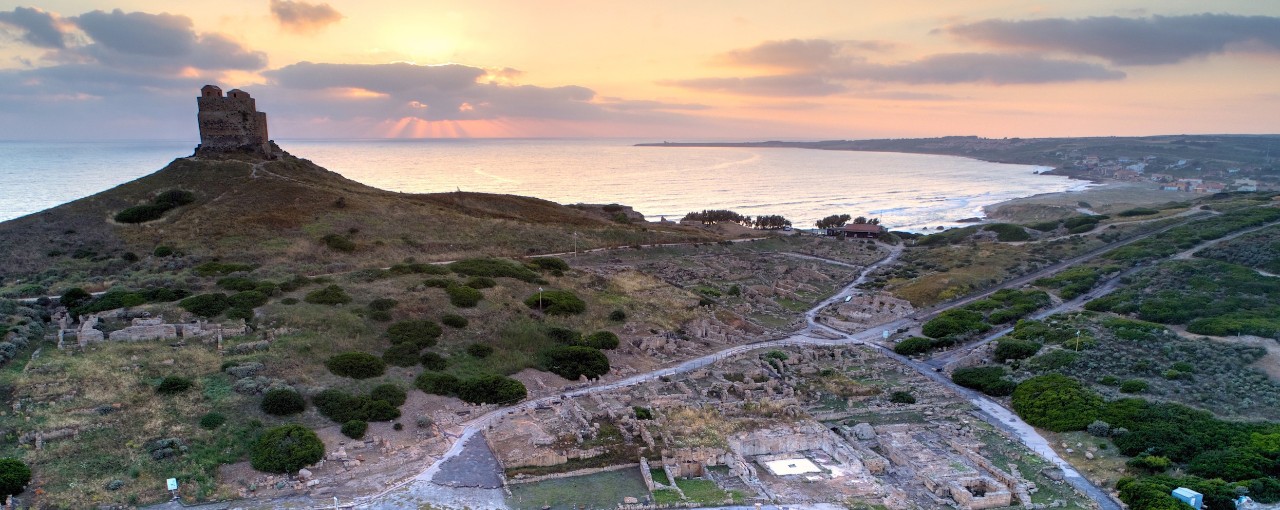
World Archaeology: Excavating a Punic-Roman port city on Sardinia
World Archaeology spotlights a UC-based excavation at Tharros by UC archaeologist Steven Ellis

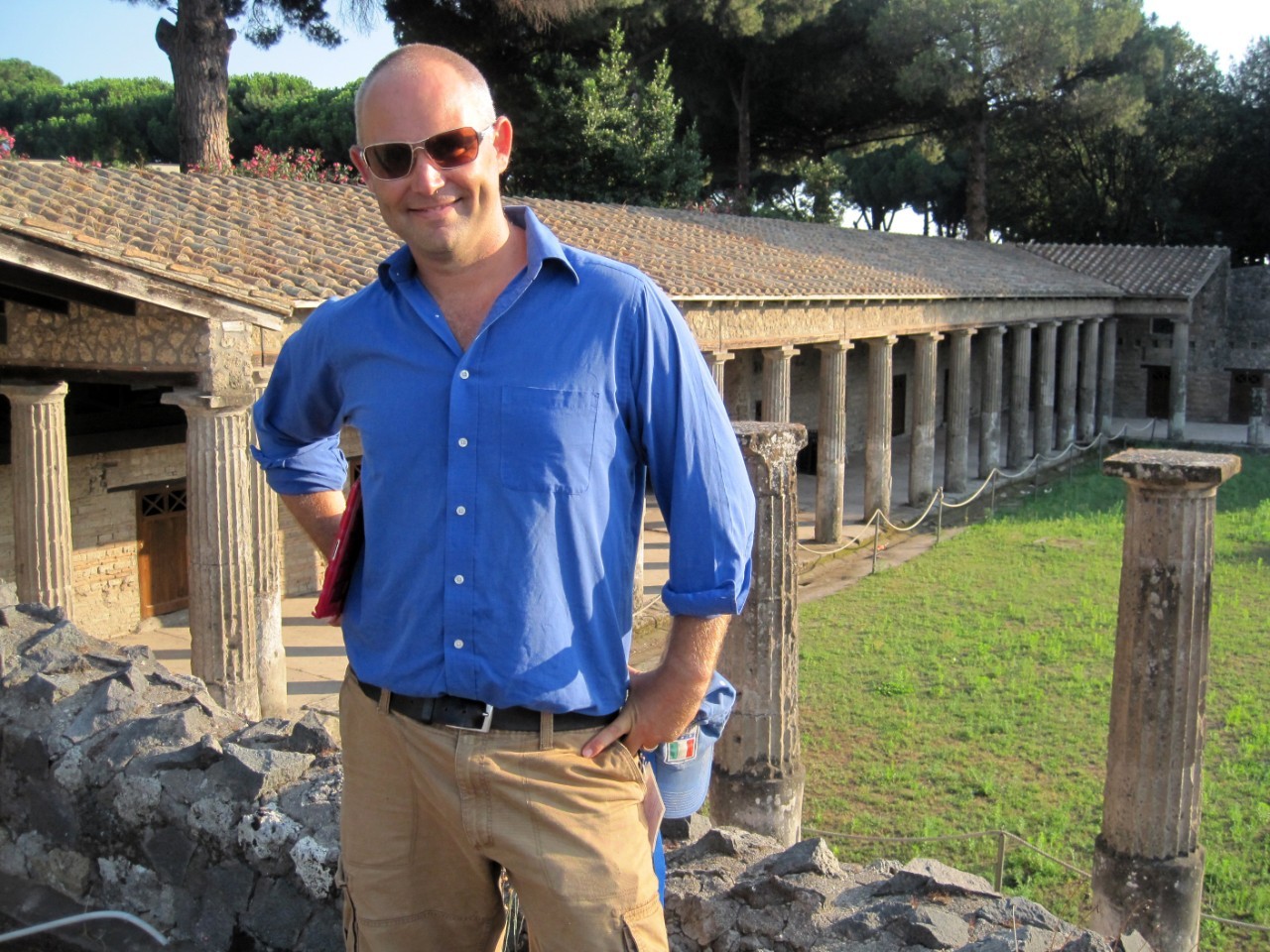
An archaeological project in the Punic-Roman city of Tharros on the western shores of Sardinia led by Steven Ellis, an associate professor of classics at the University of Cincinnati, is highlighted in the current edition of World Archaeology magazine. The project, based out of UC’s Department of Classics, involves excavations targeting the underexplored city’s residential and retail quarters in search of what the once bustling port town can reveal about the socio-economic fabric of Punic and Roman life at the time. The team is especially interested in identifying the town’s diet and urban consumption, social stratigraphy and the motivations behind urban investment, as well as civic infrastructure.
Related Stories
President Pinto’s 2nd glow party brings first-year Bearcats together
September 20, 2026
UC President Neville Pinto and team hosted the second annual Bright Beginnings glow party for first-year students
How phone scammers use your own voice against you
September 18, 2026

The Wall Street Journal recently did a deep dive on how artificial intelligence is making scamming people over the phone much easier, citing research by Kimberly Hyun, assistant professor of marketing at UC’s Lindner College of Business.
Gas prices spike... Again
September 18, 2026

UC economist Gary Painter goes through the tactics companies use to keep their consumer bases amid rising oil costs.