Local 12: Chemotherapy in recurrent ovarian cancer patients
UC researcher publishes New England Journal of Medicine study looking at outcomes

The five-year survival rate for ovarian cancer is only 36%, one of the worst cancer survival rates out there.
Finding the right treatments, however, is critical to changing that survival rate, according to Dr. Thomas Herzog, a professor at UC and gynecologic oncologist with UC Health. His team just released a study in the New England Journal of Medicine comparing those who just had chemotherapy with a recurrent cancer and those who had chemotherapy in addition to surgery when the cancer came back.
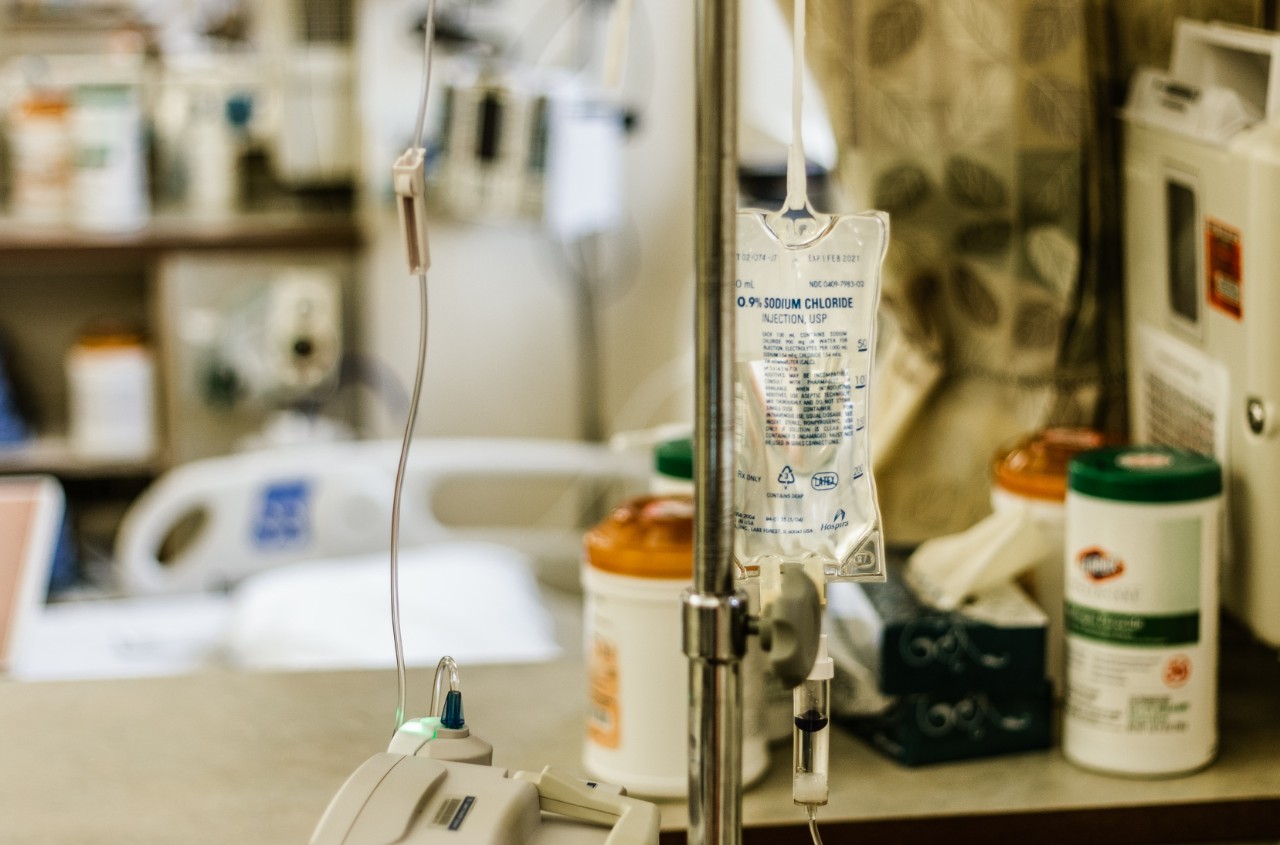
Featured photo courtesy of Unsplash.
Related Stories
President Pinto’s 2nd glow party brings first-year Bearcats together
September 20, 2026
UC President Neville Pinto and team hosted the second annual Bright Beginnings glow party for first-year students
This September, give blood for local patients fighting cancer and sickle cell disease
September 18, 2026
September is dedicated to raising awareness of several serious diseases, including sickle cell disease and childhood cancer. For patients in Greater Cincinnati fighting these diseases, awareness is only part of the equation. They also need lifesaving blood products.
UC emergency medicine physicians safely eliminate thousands of unnecessary CT scans
September 18, 2026
A University of Cincinnati emergency medicine quality improvement campaign avoids 3,500-plus head and cervical spine CT scans, saving $6.2 million in patient charges, more than 14,000 hours of waiting time and significant radiation exposure with no patient harm.