Local media: UC, UC Health to examine potential COVID-19 treatment

In the absence of an approved treatment for COVID-19, in March the FDA began allowing researchers to request emergency authorization for the use of convalescent plasma which shows potential as a treatment for the disease.
Researchers at the UC College of Medicine are among those who joined the Mayo Clinic protocol for investigating convalescent plasma as a possible treatment for COVID-19. Convalescent plasma is obtained from people who have recovered from COVID-19 and have been free of symptoms for 28 days. This program may allow access to that plasma for hospitalized patients infected with the novel coronavirus who have severe or life-threatening COVID-19, or who may be at high risk for progression to severe or life-threatening disease.
This research garnered coverage from the Cincinnati Business Courier, Cincinnati Enquirer, WLWT, Fox19 and WVXU.
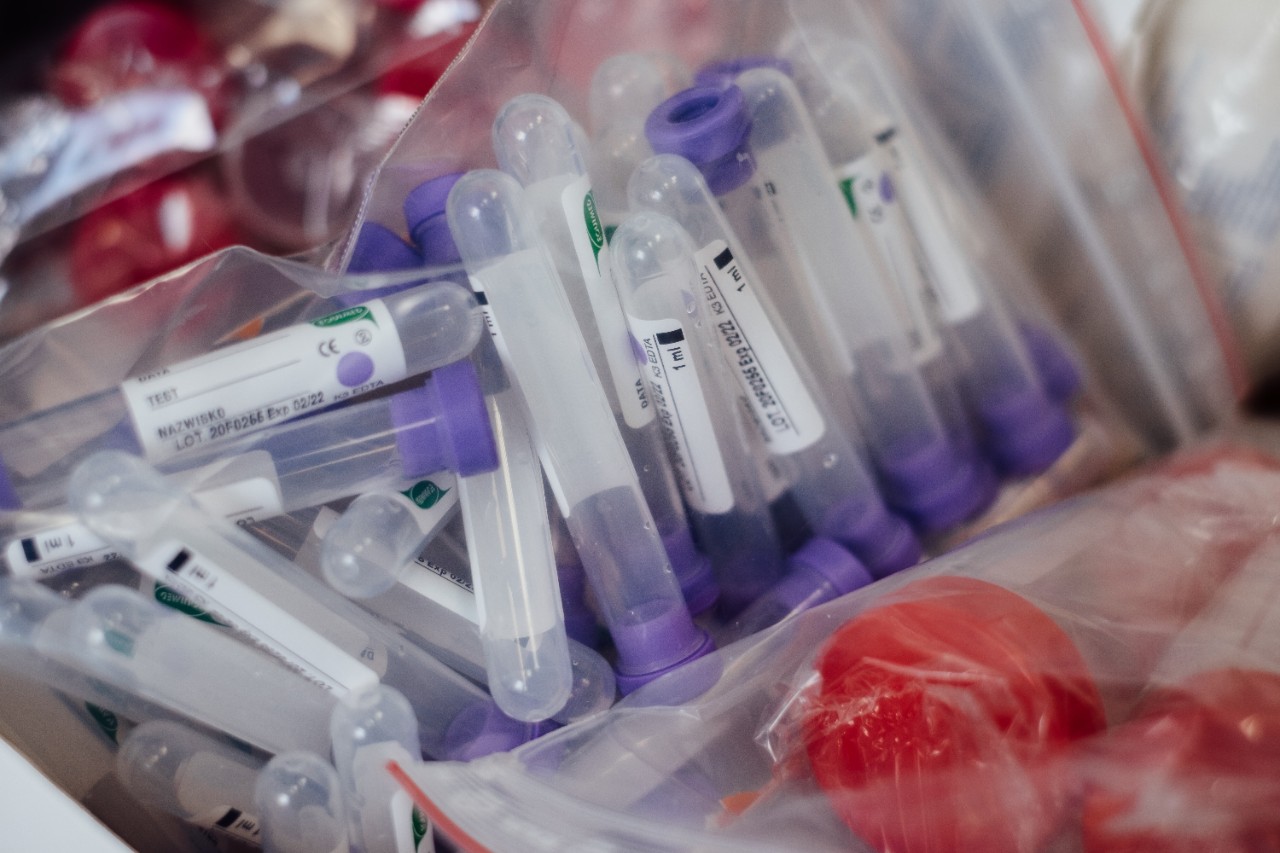
Featured image at top from freestocks on Unsplash.
Find the latest details related to coronavirus disease 2019 (covid-19) on the Centers for Disease Control and Prevention (CDC) website, and follow UC's latest information with regard to the virus.
Related Stories
UC experts say proper produce washing is key defense against Cyclospora
July 17, 2026

Hamilton County Public Health reports confirmed cases of cyclosporiasis, as concerns persist. Cyclospora is a parasite that can cause a stomach illness lasting days — sometimes even weeks. University of Cincinnati medical experts say it is usually linked to contaminated water or food, often fresh produce.
UC students organize free health clinic in community
July 15, 2026

The University of Cincinnati student chapter of Remote Area Medical held its annual free health clinic July 11-12 at St. Xavier High School. Medical, dental and vision care was offered to adults and children, with no income requirements or insurance needed.
University of Cincinnati advances FLASH radiation therapy with new clinical trial
July 15, 2026
UC Cancer Center researchers led the FAST-02 trial, showing ultra-high-dose-rate FLASH proton therapy near the heart and lungs safely reduced pain from thoracic bone metastases.