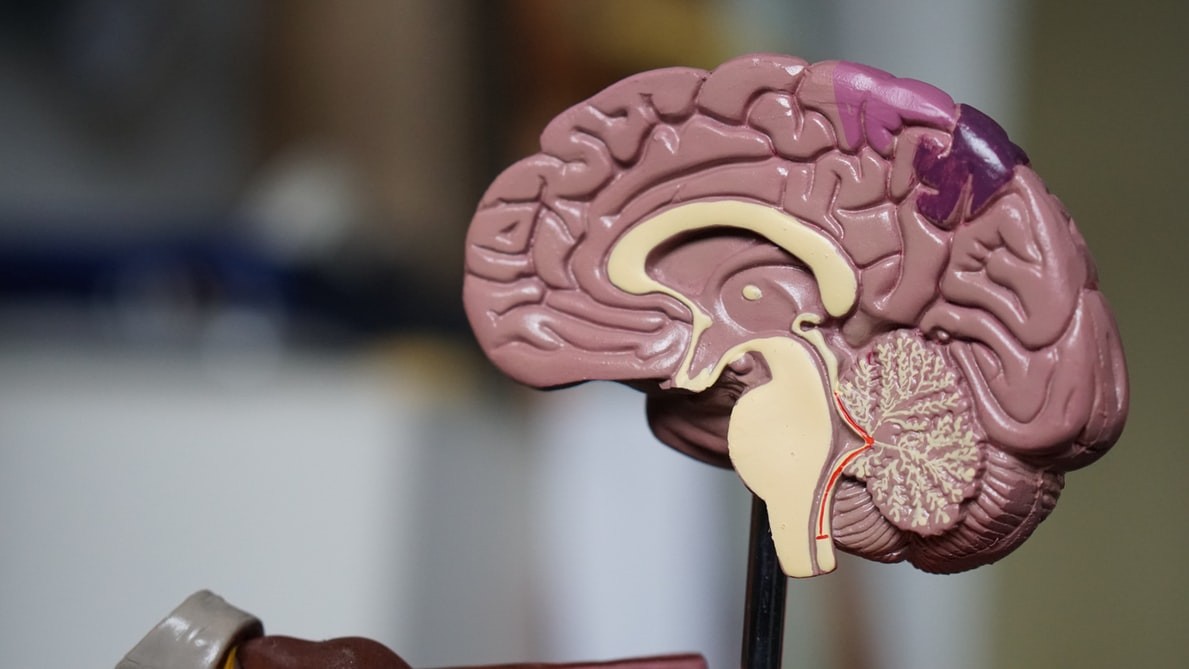
Cincinnati Enquirer: Study finds stroke a danger of COVID-19
Local media outlets discuss findings from a UC study linking COVID-19 to stroke, disorientation

In the first major study of COVID-19’s effect on the brain and nervous system, researchers at the University of Cincinnati and in Italy found that of 725 patients in the study, 108 developed serious neurological symptoms including stroke. Nearly a third of the 108 patients had no history of or risk factor for stroke.
These results were published in the journal Radiology.
Read the full Cincinnati Enquirer story.
NPR affiliate WVUX-FM, 91.7, also covered the study.
Featured photo courtesy of Unsplash.
Impact Lives Here
The University of Cincinnati is leading public urban universities into a new era of innovation and impact. Our faculty, staff and students are saving lives, changing outcomes and bending the future in our city's direction. Next Lives Here.
Stay up on all UC's COVID-19 stories, read more #UCtheGood content, or take a UC virtual visit and begin picturing yourself at an institution that inspires incredible stories.
Related Stories
UC climbs to No. 3 in the nation for co-ops and internships in 2027 U.S. News rankings
September 22, 2026
In U.S. News & World Report’s 2027 Best Colleges rankings, the University of Cincinnati rises to No. 3 in the nation for co-ops and internships — No. 1 among public institutions — and posts gains in undergraduate business, computer science and psychology.
'Discovery, mentorship, momentum': UC College of Medicine's graduate programs celebrate year of success
September 22, 2026
From new mentorship honors to a growing research pipeline, see how the University of Cincinnati College of Medicine's graduate programs made this a standout year.
Tina Cheng, MD, receives American Academy of Pediatrics’ highest honor
September 22, 2026
UC Pediatrics chair Tina Cheng, MD, has received the American Academy of Pediatrics' highest honor for her decades of advancing child health.