UC Blue Ash director offers ‘Hope on a Page’ for those affected by autism


Pamela Goines with her son, Thomas Goines, Jr.
Pamela Goines shares her firsthand experiences as a mother of a child with autism and as a professional working in accessibility resources in a new book that offers practical ways parents and professionals can help persons with autism thrive.
Goines, who lives in Evendale with her husband and son, is director of Accessibility Resources at the University of Cincinnati Blue Ash College and author of "My Walk With My Son With Autism." The book tells of the often funny, sometimes challenging, but always hopeful experiences she and her husband have had while raising their son, Thomas Goines, Jr.
“At age 2 my son received the autism diagnosis; I dropped out of my life and immediately began educating myself about it,” said Goines. “Over the next several years, I resigned my position as a stockbroker and increased my course load to immerse myself into learning about autism.”
Goines says Thomas is continuing to grow and develop as a 23-year-old man who is learning about life and finding his place in the world. He is socially active and enjoys listening to motivational speakers, horse-back riding, swimming, fishing, biking, going to the zoo, salsa dancing, and working at the YMCA as a Fitness Aide.
Goines uses the unique combination of her education, personal experiences and professional background to provide a straightforward guide with helpful information for parents, family members, and professionals serving people with autism. She says the goal is to provide hope as readers learn about her son’s progress since the first days of his diagnosis.
“I want the book to be hope on a page,” Goines said. “I know that this journey can sometimes send you on lots of turns and bends, and I really want to make sure people know that even in the challenging times there is still hope.
Below are some of the tips Goines shares for supporting the transition from diagnosis to destiny.
- Diagnosis – you need to know.
- Early intervention (work with professionals to determine this).
- Research and try new interventions.
- Establish a vision for your child and share it everywhere you go.
- Assemble a team of support (family, doctors, teachers).
"My Walk With My Son With Autism" is available on Amazon.
The Accessibility Resources office at UC Blue Ash works to ensure that all students with a documented disability can freely and actively participate in all facets of college life. The staff provides students with any type of disability (visual, hearing, physical, psychological, cognitive, learning ADHD, medical condition, etc.) with the appropriate accommodations while they participate in college courses, programs and activities.
About UC Blue Ash College
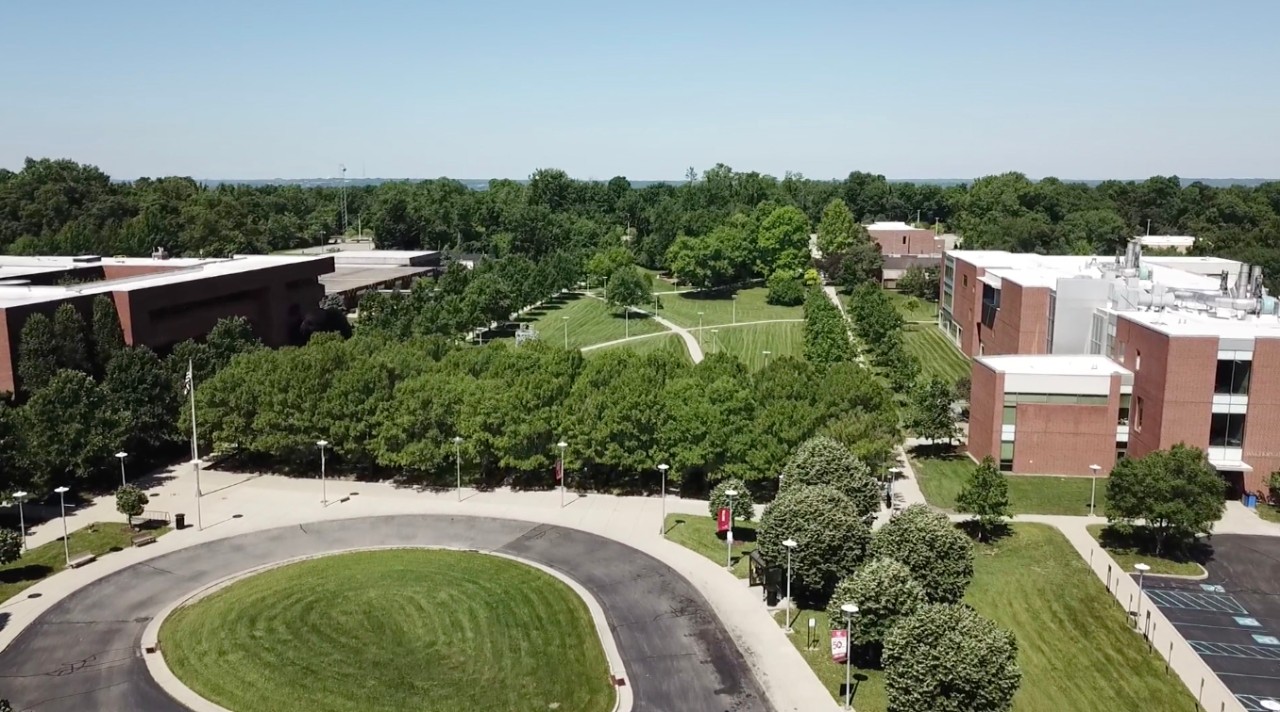
UC Blue Ash College is a regional college within the University of Cincinnati. It offers one of the best values in higher education with access to a nationally recognized UC education in more than 50 degree and certificate programs, as well as tuition that is about half of most colleges and universities. The college is located on a scenic 135-acre wooded campus in the heart of Blue Ash, Ohio. To learn more, call 513-745-5600, visit us online, like us on Facebook or follow us on Twitter and Instagram.
Related Stories
President Pinto’s 2nd glow party brings first-year Bearcats together
September 20, 2026
UC President Neville Pinto and team hosted the second annual Bright Beginnings glow party for first-year students
How phone scammers use your own voice against you
September 18, 2026

The Wall Street Journal recently did a deep dive on how artificial intelligence is making scamming people over the phone much easier, citing research by Kimberly Hyun, assistant professor of marketing at UC’s Lindner College of Business.
UC Blue Ash to host two fall open houses
September 18, 2026
The University of Cincinnati Blue Ash College will host its fall open houses on Thursday, Oct. 15 and Thursday, Nov. 5. Both events will be from 5-7 p.m. in Muntz Hall on the UC Blue Ash campus.