WCPO: Raising colorectal cancer awareness
UC doctor offers tips on recognizing colon cancer following untimely passing of actor Chad Boseman

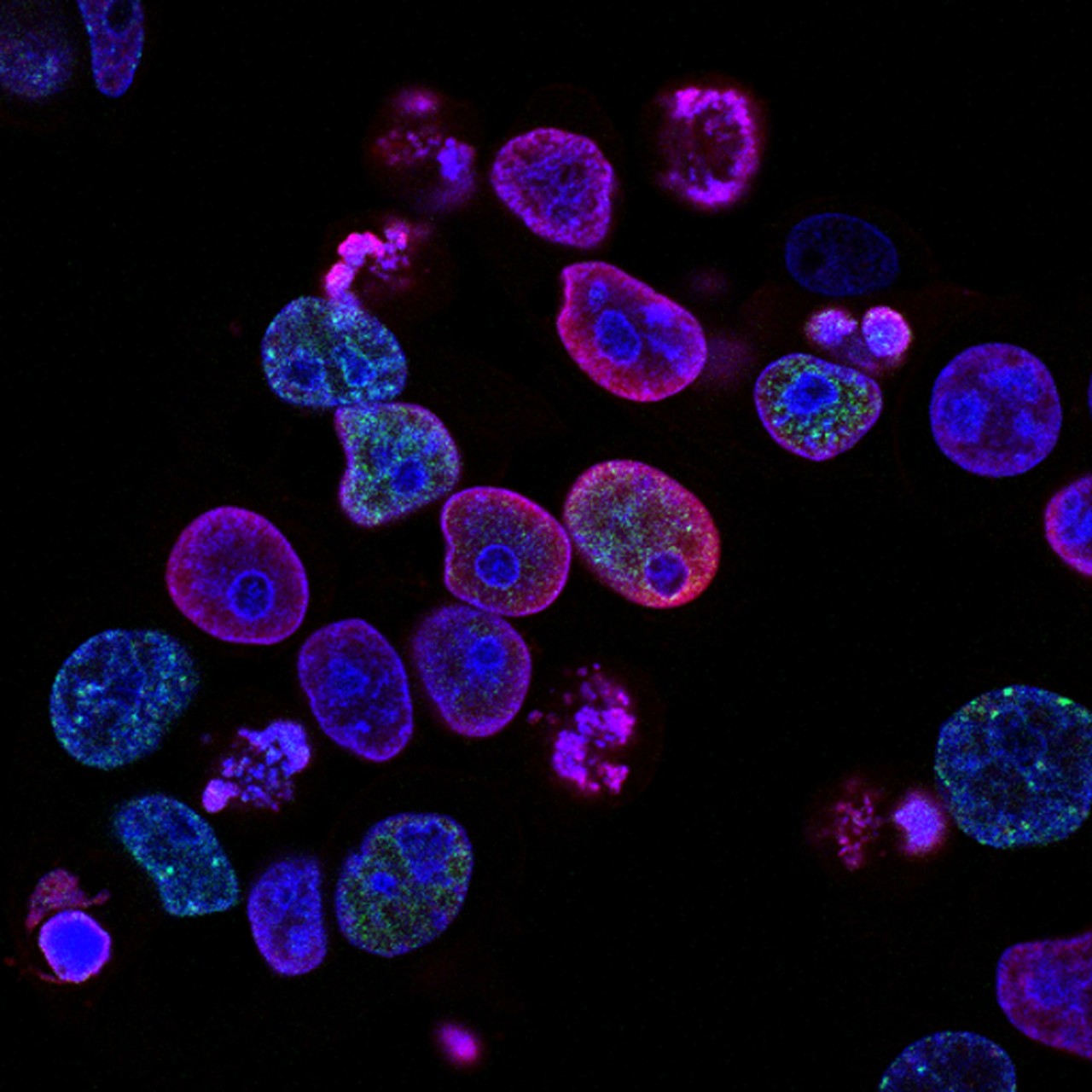
Colorectal cancer is the second deadliest form of cancer, and African Americans have the highest rates of any racial or ethnic group in the U.S. Those rates are just about 10% higher for Black men than white men.
Olugbenga Olowokure, MD, associate professor at the UC College of Medicine and a UC Health oncologist, says it can be difficult to detect the disease in someone younger than 45 years old, which is when screenings are recommended.
“If (Chad Boseman) didn't have any personal family history, he wouldn't be a person we would pick up,” Olowokure says.
Impact Lives Here
The University of Cincinnati is leading public urban universities into a new era of innovation and impact. Our faculty, staff and students are saving lives, changing outcomes and bending the future in our city's direction. Next Lives Here.
Stay up on all UC's COVID-19 stories, read more #UCtheGood content, or take a UC virtual visit and begin picturing yourself at an institution that inspires incredible stories.
Related Stories
Her book drive is changing literacy in Cincinnati
August 31, 2026

WCPO highlights a nonprofit dedicated to childhood literacy that has offers co-op positions to UC students.
Major grant expands apprenticeship opportunities at UC
August 31, 2026
UC will expand registered apprenticeship opportunities in AI, semiconductor, and nuclear-energy infrastructure through a major U.S. Department of Labor grant partnership led by JFF.
Heavy social media use linked to depression
August 31, 2026

U.S. News and World Report, Yahoo! News, MSN, USA Today and other national media highlight a new study by the University of Cincinnati and Northwestern University that found a correlation between heavy social media use and depression in adults.