
Critical appeal for Type O-negative donors
Heavy usage depletes local blood supply

Hoxworth Blood Center, University of Cincinnati is releasing a critical appeal for type O- negative blood. All eligible individuals are being asked to donate blood immediately.
“We are asking all eligible individuals with Type O- negative blood to donate as soon as possible,” reports Alecia Lipton, Hoxworth spokesperson. “Blood is being distributed to local hosopitals faster than it can be collected, and we cannot rely on acquiring blood from other communities at this time.”
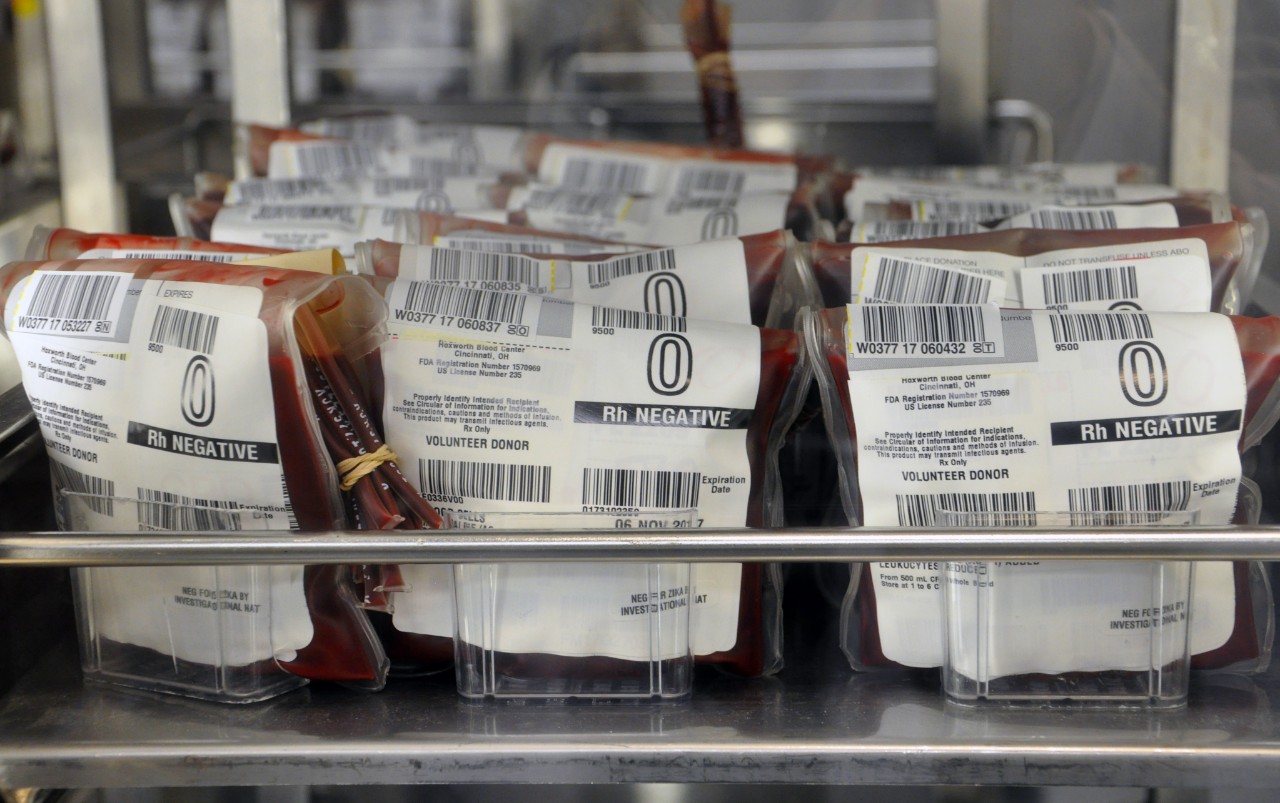
Type O- negative blood is extremely valuable since it can be transfused to any other blood type in an emergency.
It is critical to have a healthy supply of O- negative blood on hand, according to Lipton, because it can be transfused to any other blood type in the event of an emergency or mass trauma.
“Recent heavy usage due to traumas and organ transplants, coupled with low donor turnout in recent weeks, has drained local supply of O- negative blood,” said David Oh, MD, Chief Medical Officer of Hoxworth Blood Center. “We urge the community to schedule a donation as soon as possible to ensure that patients in need will have lifesaving blood products available when needed."
Appointments are highly encouraged at this time, and masks are required. To schedule a donation, call (513) 451-0910 or visit www.hoxworth.org.
About Hoxworth:
Hoxworth Blood Center, University of Cincinnati was founded in 1938 and serves more than 30 hospitals in 18 counties in Southwestern Ohio, Northern Kentucky and Southeastern Indiana. Annually, Hoxworth collects more than 90,000 units of blood from local donors to help save the lives of patients in area hospitals. Hoxworth Blood Center: Saving Lives Close to Home.
Related Stories
UC discovery points to new approach for treating diabetes — no insulin required
November 19, 2026
University of Cincinnati researchers identified a previously unknown insulin-independent pathway for glucose uptake in skeletal muscle, a discovery that could guide future treatments for diabetes, insulin resistance and high blood sugar.
Certain saturated fats may turn a ketogenic diet inflammatory
November 19, 2026

Medical News Today and MSN highlighted a University of Cincinnati Cancer Center study led by Director David Gius, MD, PhD, that found a ketogenic diet high in long-chain saturated fatty acids can increase inflammation.
Dealing with seasonal affective disorder
November 18, 2026

Fewer daylight hours can make it more difficult for those who experience seasonal affective disorder. Cincinnati Edition on 91.7 WVXU News/Cincinnati Public Radio recently discussed ways to monitor mental health as the days grow shorter. Ann Romaker, MD, of the University of Cincinnati College of Medicine, a professor of clinical medicine in the Division of Pulmonary, Critical Care and Sleep Medicine within the Department of Internal Medicine and the medical director of UC Health's Sleep Medicine program, joined the discussion.