Science: UC biology grad was unheralded pioneer
Charles H. Turner fought discrimination while pursuing science after the Civil War

Science Magazine paid tribute to University of Cincinnati graduate and former professor Charles Henry Turner, who made significant contributions to science despite facing oppression and professional discrimination after the Civil War.
The Science profile said Turner's keen insights into animal cognition did not receive the credit they deserved, which not only hurt Turner's career but hindered science as well.
"The entire field of animal cognition may have developed differently," the paper concluded.
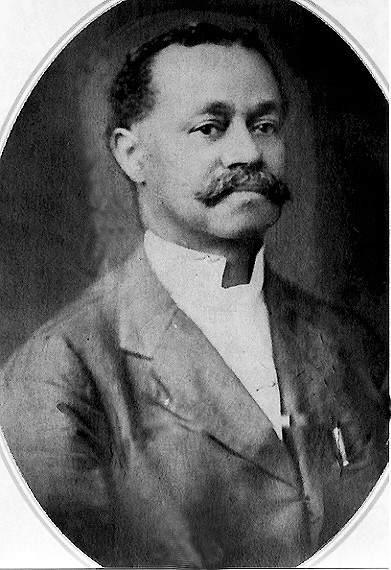
Charles Henry Turner.
Turner (1867-1923) was the first African American student to earn a graduate degree at UC. He was class valedictorian at his high school and earned both bachelor's and master's degrees while at UC.
He earned a doctorate at the University of Chicago, but when he sought employment there, he was rebuffed. According to African American historian William DuBois, Turner was passed over by a racist administrator, the Science article said.
Turner spent his career teaching high school, all the while continuing his own research. Turner was the author of 71 articles published in leading journals, where they earned many citations from fellow researchers. He conducted work in the fields of chemistry and psychology, but his greatest contribution was to biology.
His insights included a keen understanding of animal problem-solving and individuality. He observed, for example, how gallery spiders demonstrated creativity to build webs to suit the three-dimensional spaces around them, contrary to the belief at the time that their actions were wholly driven by robotic instinct.
"We may safely conclude that an instinctive impulse prompts gallery spiders to weave gallery webs, but the details of the construction are the products of intelligent action," Turner wrote.
Turner studied the problem-solving abilities of tree snakes that took a circuitous path to sneak up on unsuspecting lizards. And he observed the spatial learning of insects like burrowing bees that use landmarks to return home more than 20 years before Nobel laureate Nikolaas Tinbergen made similar observations.
According to writer Charles Abramson in the journal The Annual Review of Entomology, upon his death Turner was eulogized by his friend and fellow entomologist Philip Rau.
"The handicaps under which Dr. Turner's work was accomplished were many, and were modestly and bravely met," Rau said.
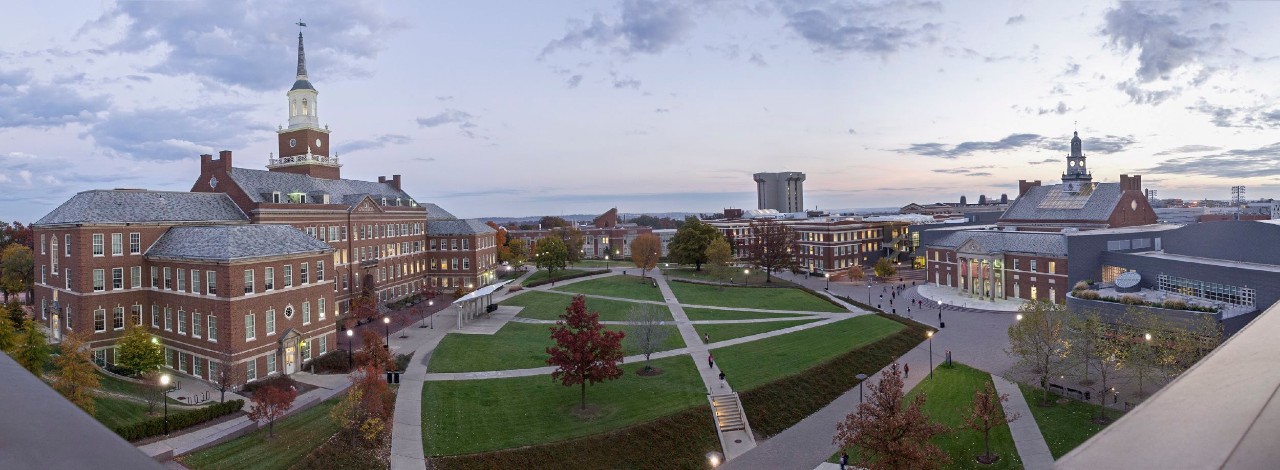
Featured image at top: A panorama of UC's Uptown campus. Photo/Jay Yocis/UC Creative + Brand
Related Stories
Her book drive is changing literacy in Cincinnati
August 31, 2026

WCPO highlights a nonprofit dedicated to childhood literacy that has offers co-op positions to UC students.
Major grant expands apprenticeship opportunities at UC
August 31, 2026
UC will expand registered apprenticeship opportunities in AI, semiconductor, and nuclear-energy infrastructure through a major U.S. Department of Labor grant partnership led by JFF.
Heavy social media use linked to depression
August 31, 2026

U.S. News and World Report, Yahoo! News, MSN, USA Today and other national media highlight a new study by the University of Cincinnati and Northwestern University that found a correlation between heavy social media use and depression in adults.