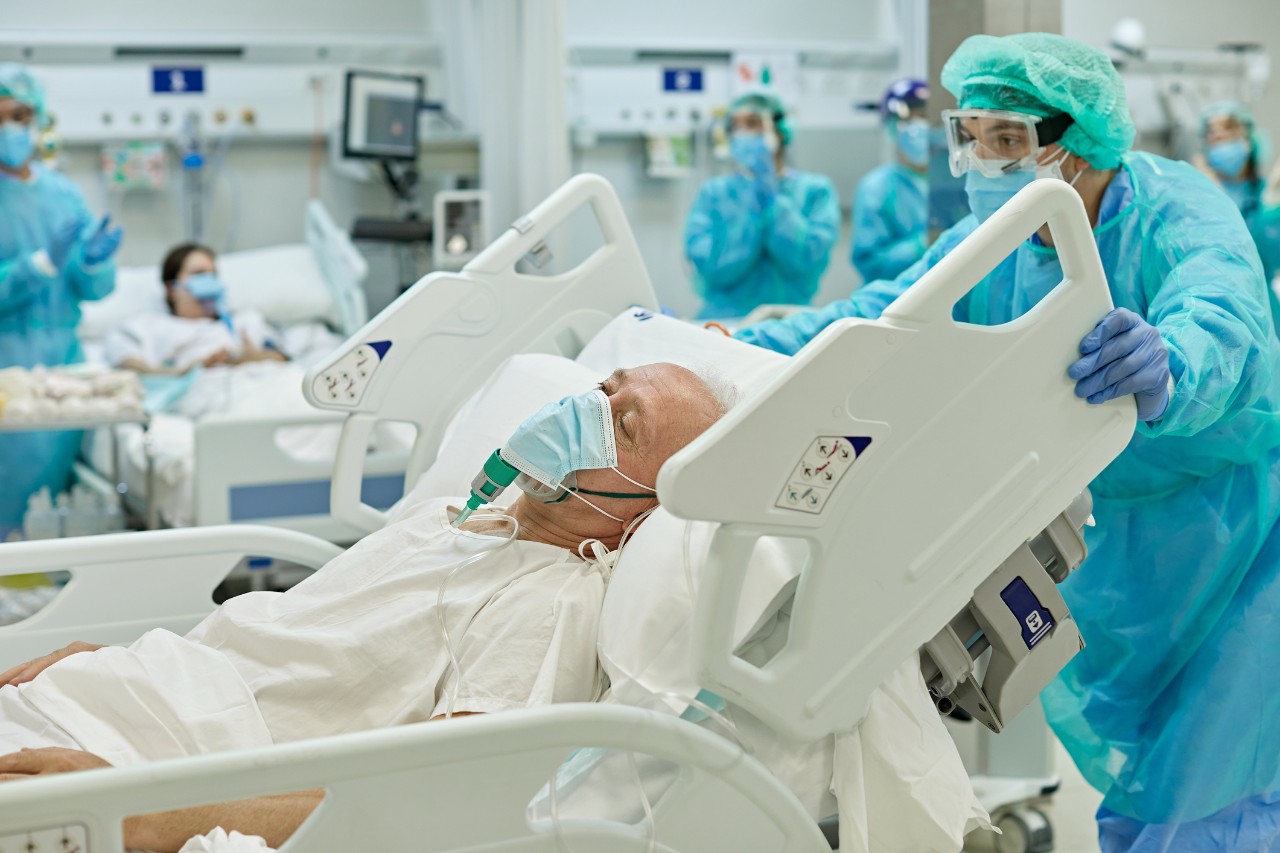
NPR: In Ohio, some hospitals are running out of beds because of the COVID surge
UC infectious disease expert recommends vaccinated people get booster shots to fight the new variant

The surge in COVID-19 cases thanks to the Omicron variant is pushing some states to the limit. A story from NPR on the surge focused on Ohio where some hospitals are running out of beds, and a thousand members of the National Guard have been deployed to help. NPR interviewed Jennifer Wall Forrester, MD, of the Division of Infectious Diseases at the UC College of Medicine. Wall Forrester told the news organization that she anticipates the surge only getting worse as people gathered for the holidays at the end of 2021.
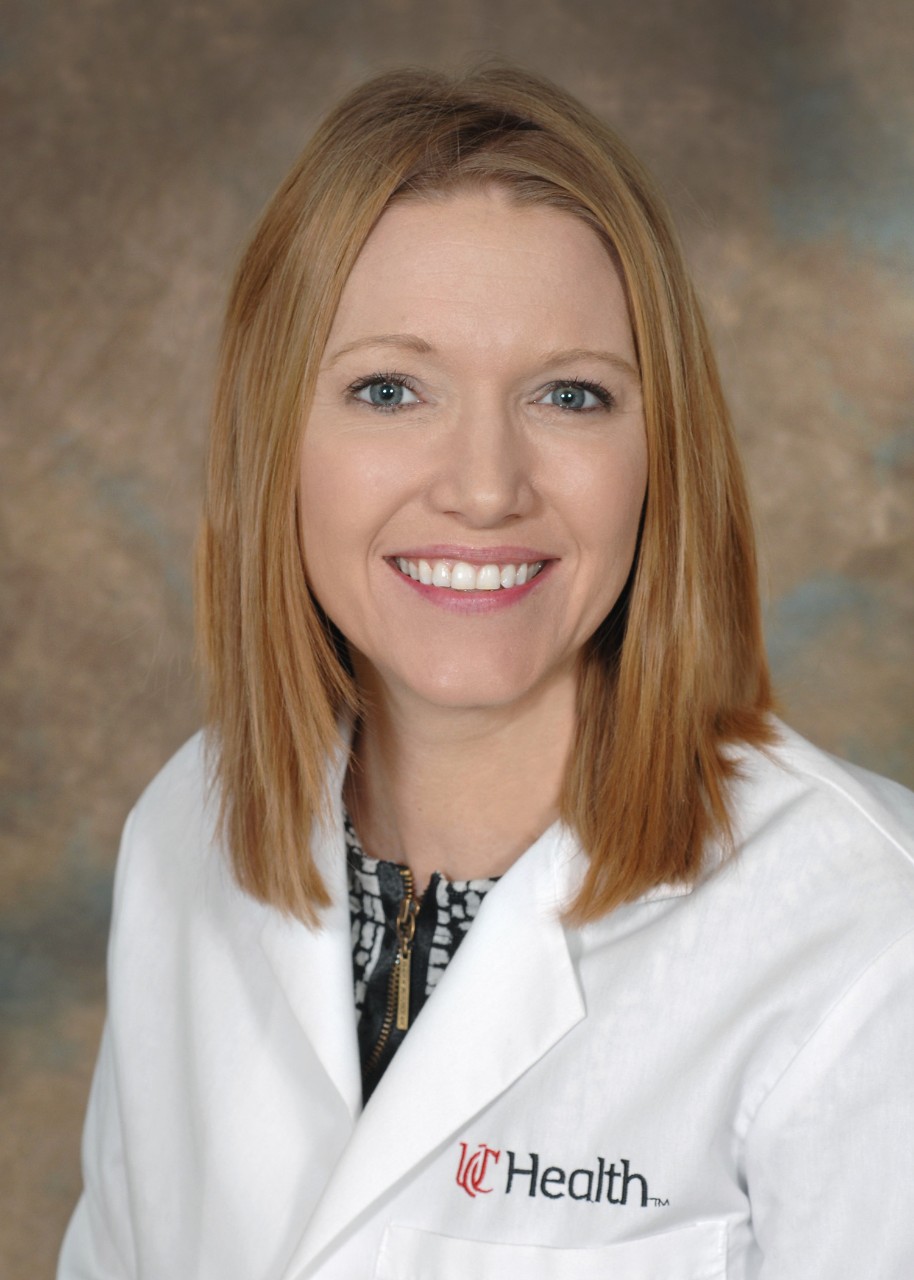
Jennifer Wall Forrester, MD, of the Division of Infectious Diseases at the UC College of Medicine/Photo/Colleen Kelley/UC Creative + Brand
"Not only is taking care of incredibly sick and dying people difficult, but the anxiety of not being sure when you come in each day if you're able to give the kind of - the absolute best care that you want to give with the limited resources and being stretched so thin, it's, frankly, heartbreaking," she said.
Wall Forrester told NPR that the mask mandates and mandates around closing schools and businesses haven't been as effective as hoped because not everyone is following those mandates.
"Really, what we need people to do is get their boosters if they have already been vaccinated. If they've been hesitant at this point, now's the time," she said. "They're at very, very high risk of becoming infected because of how efficiently and fast this omicron variant is spreading. They are at risk for - the people who are unvaccinated right now are the people who are getting hospitalized. They're the people dying, unfortunately, of this infection. And they're at high risk of - even if they get a low or a mild disease, they're at risk of infecting their families, their friends, their neighbors, co-workers. So, really, we need people to get vaccinated."
Read or listen to the entire story here.
Lead photo/NIH.
Next Lives Here
The University of Cincinnati is classified as a Research 1 institution by the Carnegie Commission and is ranked in the National Science Foundation's Top-35 public research universities. UC's medical, graduate and undergraduate students and faculty investigate problems and innovate solutions with real-world impact. Next Lives Here.
Related Stories
UC creates ‘The Why,’ a new student hub in historic YMCA building
September 4, 2026

The University of Cincinnati is creating a new student-centered hub focused on engagement, community and well-being known as 'The Why.'
Cancer Center expert urges lung cancer screenings as too few at-risk patients get tested
September 4, 2026

The University of Cincinnati Cancer Center's Robert Van Haren, MD, spoke with Local 12 about the need for more awareness and discussions around lung cancer screenings.
Apply for 2027 Presidential Medal Awards
September 4, 2026
UC President Neville Pinto invites eligible students to apply for two of our university’s top awards — the PLME & PMGSE.