55KRC: UC launches new stroke study
Simply Medicine program highlights clinical trial utilizing mobile stroke units

Researchers at the University of Cincinnati are leading a clinical trial in an effort to find the first proven treatment for stroke due to intracerebral hemorrhage, when blood vessels in the brain rupture and cause bleeding in the brain.
Joseph Broderick, MD, professor in UC’s Department of Neurology and Rehabilitation Medicine in the College of Medicine, director of the UC Gardner Neuroscience Institute and a UC Health physician, is the contact principal investigator for the FASTEST study and spoke with Angenette Levy of 55KRC about it on the weekly radio show and podcast Simply Medicine.
Broderick explained time is of the essence with stroke, so the trial will utilize mobile stroke units to deliver a clotting drug to help "plug the leak" of a brain bleed within two hours of symptoms.
Listen to the Simply Medicine segment. (Note: Segment begins around 30:51 mark.)
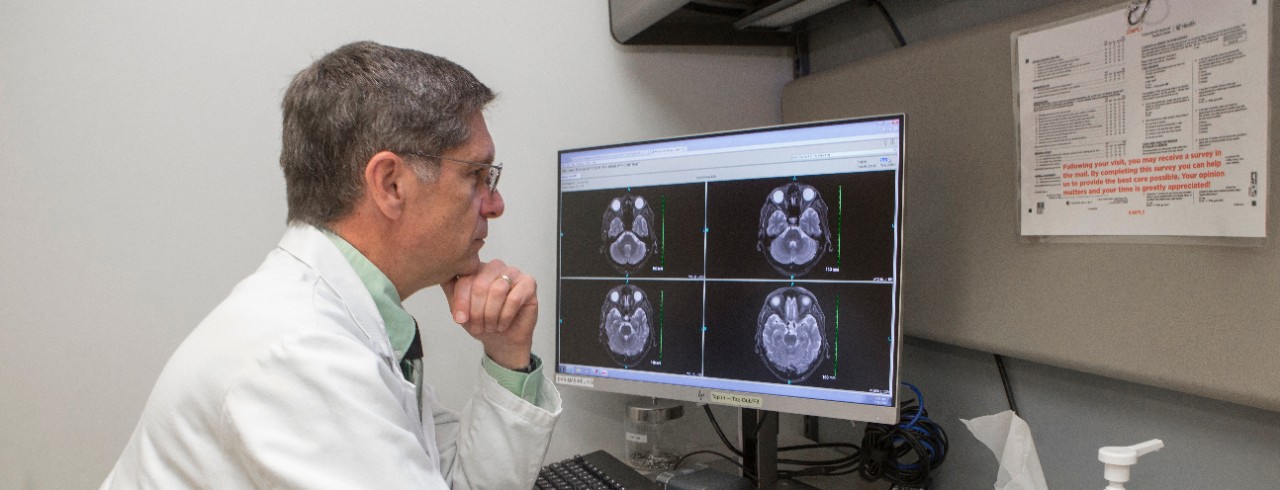
Featured photo at top of Dr. Broderick. Photo/Joseph Fuqua II/University of Cincinnati
Related Stories
Get to know CCM’s newest faculty and staff members
July 2, 2026
UC’s College-Conservatory of Music will welcome a variety of new faculty and staff members to its roster of distinguished performing and media arts experts, researchers and educators this fall.
Educating more nurses to meet a growing demand for quality healthcare
July 1, 2026

Richard Prior, senior associate dean for academic operations and accreditation, speaks with Fox 19 about growing enrollment at the UC College of Nursing for a recent health segment.
How to prevent social isolation at school
July 1, 2026

UC Professor Ashley Merianos talks to U.S. News & World Report about her study that found that excessive use of social media exacerbates feelings of loneliness among college students. UC is taking preventive steps to give students social outlets.