
Healthline: People are taking high doses of melatonin to sleep: Why experts are concerned
UC expert says taking too much melatonin could disrupt our sleep-wake cycle

According to a research letter published in the Journal of the American Medical Association, more people are taking supplemental melatonin, and at increasingly high doses. Researchers point out these findings raise safety concerns since the actual dose of melatonin supplements could be nearly 500% higher than the label indicates. In a story published by Healthline, Sarah Gallucci, DO, of the Division of Pulmonary, Critical Care and Sleep Medicine was one of the experts cited reacting to the letter.
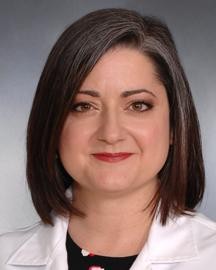
Sarah Gallucci, DO, of the Division of Pulmonary, Critical Care and Sleep Medicine at the UC College of Medicine
“Melatonin is considered a dietary supplement and is not FDA approved for safety or effectiveness,” confirmed Sarah Gallucci, DO, an assistant professor of medicine in the Division of Pulmonary, Critical Care and Sleep Medicine at the UC College of Medicine.
She added that there is an organization that confirms the claimed dosage and purity of some brands.
“Supplements that are verified by the United States Pharmacopeial convention are the most reliable,” said Gallucci. “USP verified supplements are tested to ensure that the potency and amounts match the label and that the product does not contain harmful levels of specified contaminants.”
Gallucci added that melatonin is considered “generally safe,” with few serious adverse effects.
“The most common side effects are headache, dizziness, nausea, and fatigue,” she said.
Gallucci cautioned that taking too much melatonin could disrupt our sleep-wake cycle, making it more difficult to fall asleep.
“Safe starting doses range from 2 to 5 mg,” she advised. “Melatonin does not have any addictive potential, which can be seen with some prescription sleep medications.”
Next Lives Here
The University of Cincinnati is classified as a Research 1 institution by the Carnegie Commission and is ranked in the National Science Foundation's Top-35 public research universities. UC's medical, graduate and undergraduate students and faculty investigate problems and innovate solutions with real-world impact. Next Lives Here.
Related Stories
UC Foundation celebrates 2026 philanthropy winners
October 23, 2026
The University of Cincinnati Foundation recognized its Outstanding Philanthropic Volunteer Award honorees at the George Rieveschl Recognition Dinner on October 22, 2026.
AI breast cancer survival model from Cancer Center could improve accuracy and personalize care
October 23, 2026
UC Cancer Center researchers, including lead author Wedad Alatebi, developed a deep learning survival model for breast cancer that combines detailed clinical and genetic information, potentially offering physicians a more accurate tool to guide treatment decisions.
UC expert explains potential impact of Pennsylvania’s new vape product law
October 22, 2026

UC professor Ashley Merianos speaks to the Pittsburgh Post-Gazette about Pennsylvania’s new vape law, youth vaping prevention, enforcement challenges and possible unintended consequences.