
UC joins nationwide clinical study to test medications for mild-to-moderate COVID-19
Site recruiting participants age 30 or older with COVID-19 symptoms, positive test

The University of Cincinnati is joining a nationwide study to evaluate repurposed medications in the search for effective, safe treatments for mild-to-moderate COVID-19. Repurposed medications are those already approved by the U.S. Food and Drug Administration for other indications.
ACTIV-6, “The Randomized Trial to Evaluate Efficacy of Repurposed Medications,” is a nationwide double-blind study expected to enroll nearly 15,000 participants from across the United States through its website.
The study recently expanded its testing platform to evaluate three repurposed medications in the search for effective, safe treatments for mild-to-moderate COVID-19. Web and phone-based enrollment allows people anywhere in the United States diagnosed with COVID-19 as outpatients to help test potential COVID-19 treatments without leaving home.
"Not only does the ACTIV-6 study help answer important questions related to treatment options for mild-to-moderate COVID-19, but it also does so in a way that increases the accessibility of clinical trials to our community members,” says Margaret Powers-Fletcher, PhD, assistant professor in the Division of Infectious Diseases in the Department of Internal Medicine at the UC College of Medicine and principal investigator of the ACTIV-6 study at UC. “This improves our ability to all work together toward medical advancement and scientific discovery in the face of a continued public health crisis."
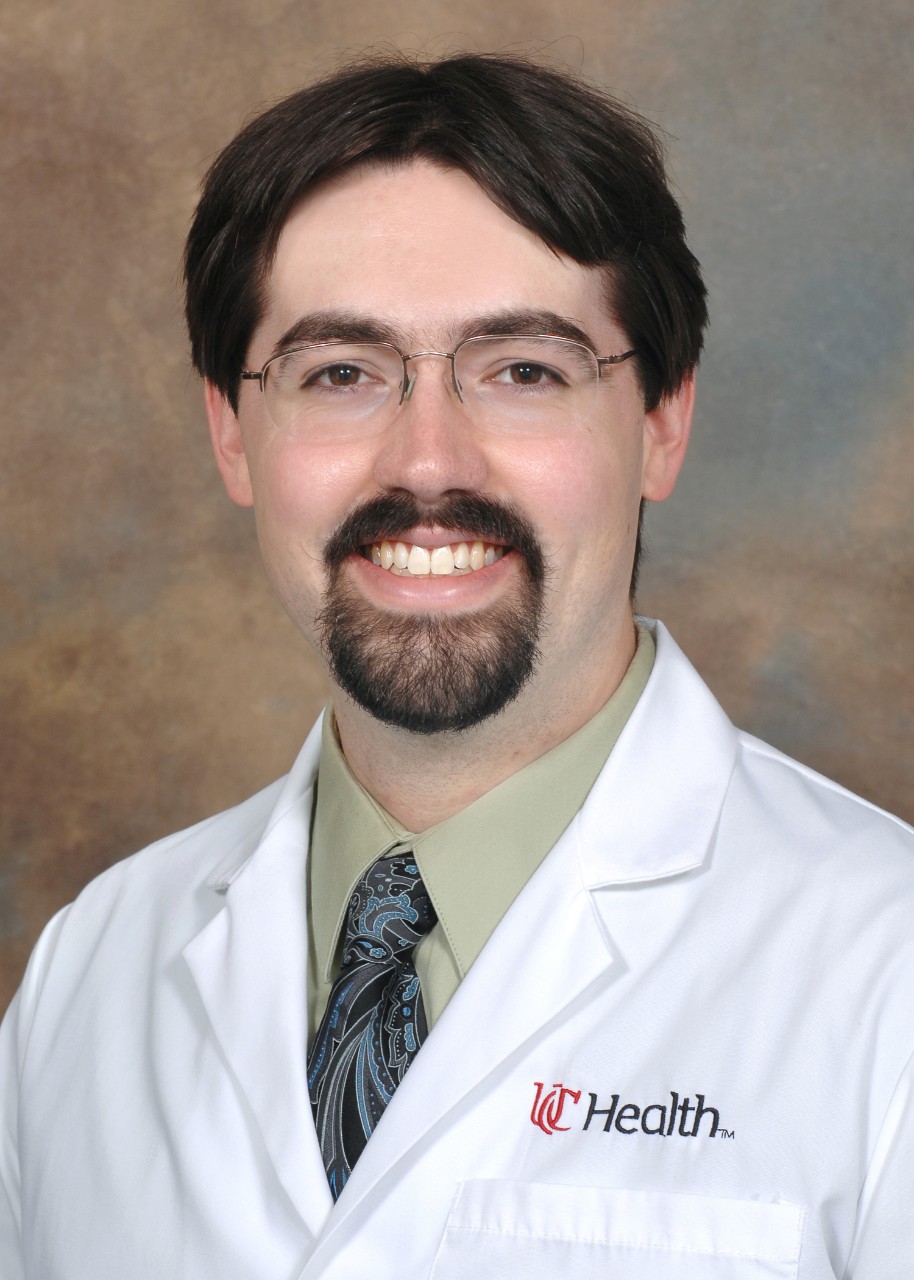
Douglas Brown,MD, assistant professor in the Division of Infectious Diseases in the Department of Internal Medicine at the UC College of Medicine/Photo/Colleen Kelley/UC Creative + Brand
The study is now testing these repurposed medications:
- Ivermectin, used to treat parasitic infections;
- Fluticasone, an inhaled steroid commonly prescribed for asthma and chronic obstructive pulmonary disease; and
- Fluvoxamine, a selective serotonin reuptake inhibitor, often prescribed for depression.
To be eligible, participants must be 30 years old or older, have had a positive COVID-19 test within the past 10 days and have at least two symptoms of the illness for seven days or less. Symptoms include fatigue, difficulty breathing, fever, cough, nausea, vomiting, diarrhea, body aches, chills, headache, sore throat, nasal symptoms, and/or new loss of sense of taste or smell.
Participation involves taking the medication and keeping track of symptoms over 90 days through online surveys. Medications are shipped at no cost to participants.
"We're excited for UC to be a part of ACTIV-6,” says Douglas Brown, MD, assistant professor in the Division of Infectious Diseases in the Department of Internal Medicine at the UC College of Medicine and medical director for the ACTIV-6 trial at UC. “With COVID-19 cases in Ohio recently exceeding the peak from a year ago and with supplies of newer, COVID-specific medications limited, we hope this trial will provide valuable insight about other medications that may help to ease COVID symptoms or help keep people from becoming severely sick."
To enroll, visit activ6study.org, or call the center at 833-385-1880. To contact the local UC ACTIV-6 study team, call 513-760-5936.
Lead photo of Powers-Fletcher/Colleen Kelley/UC Creative + Brand
Next Lives Here
The University of Cincinnati is classified as a Research 1 institution by the Carnegie Commission and is ranked in the National Science Foundation's Top-35 public research universities. UC's medical, graduate and undergraduate students and faculty investigate problems and innovate solutions with real-world impact. Next Lives Here.
Related Stories
UC Nursing doctoral student Nicole Holtz named Jonas Scholar
October 1, 2026
Nicole Holtz, a 2020 Bachelor of Science in Nursing (BSN) graduate of the University of Cincinnati College of Nursing and current Psychiatric-Mental Health Doctor of Nursing Practice (DNP) student has been named a Jonas Scholar through a national initiative of Jonas Philanthropies in partnership with the American Association of Colleges of Nursing. Since 2008, the program has provided more than $27 million to more than 1,400 doctoral nursing scholars at 157 universities, supporting the next generation of nursing faculty, researchers and advanced practice nurses.
UC Speech & Hearing Clinic serves patients while acting as training site
September 30, 2026

The University of Cincinnati's Speech & Hearing Clinic provides graduate students in audiology and speech-language pathology with hands-on experience while delivering care to patients across the region. Located on the university's medical campus, the clinic serves patients of all ages and was recently featured on Spectrum News 1 Ohio.
Now strollers are getting an electric upgrade
September 30, 2026

Following the trend of e-bikes and e-scooters, several baby gear brands have announced strollers with battery-boosted assist and other autonomous features. But are these pricey new strollers (most cost more than $2,000) just a flashy status symbol, or can they deliver real benefits? A University of Cincinnati disability expert recently offered her perspective to Forbes.